
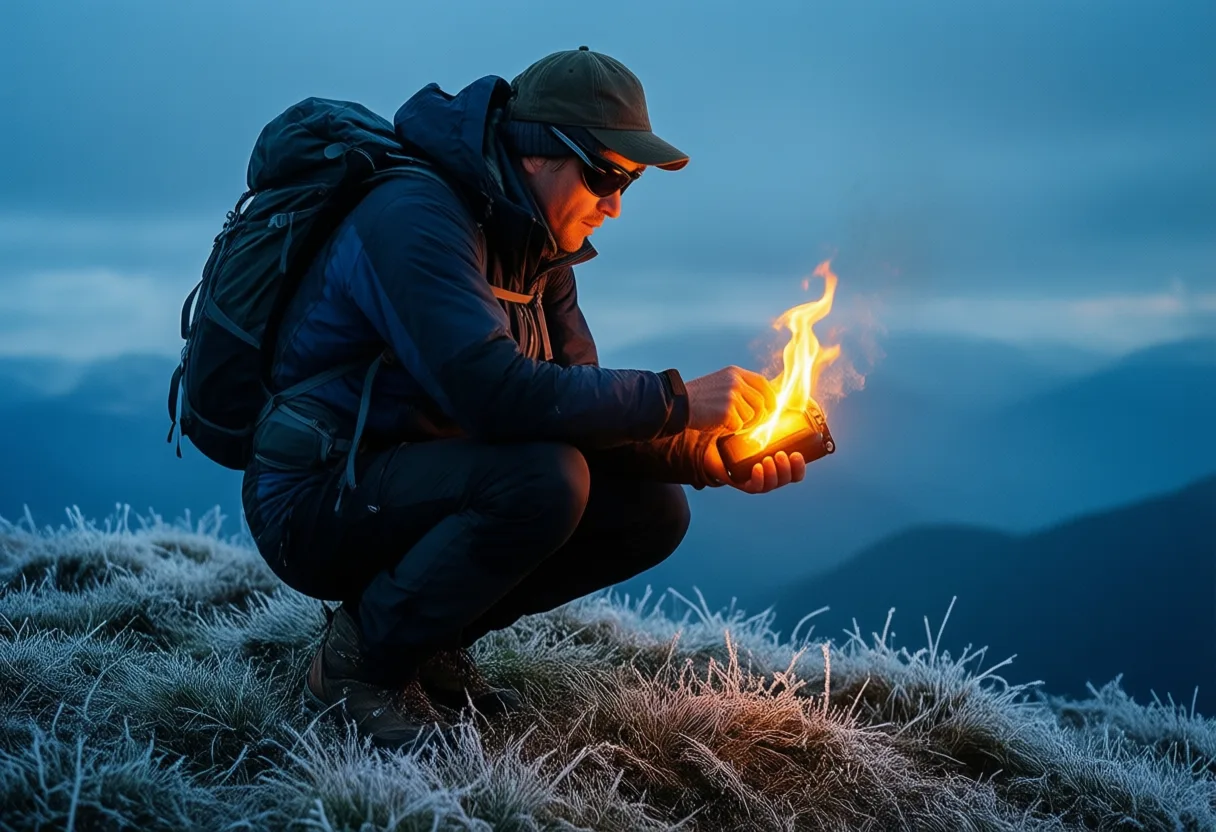
The wind cuts through the mountain pass just as the sun dips behind the Himalayan ridge, turning the air sharp and thin. I pull my shawl tighter, but the chill finds its way in-through seams, through breath, through memory. In moments like these, far from hearths and radiators, the question isn’t just comfort-it’s survival: are there Battery operated Heaters that truly deliver warmth when you’re untethered from walls and wires?
Can You Stay Warm Off the Grid?
There is a quiet luxury in solitude, in stepping beyond the reach of power lines and streetlights. Whether perched on a silent train crossing Scandinavia’s snow-laced tundra or waiting for a dawn ferry in the misty ports of Kyoto, cold seeps into more than bones-it settles into stillness.
Yet modern travel demands movement, not endurance. We no longer need to suffer the elements to experience them. Today’s Portable warmth Solutions offer subtle relief, not roaring fires, but gentle pulses of heat that make stillness bearable, even beautiful.
These tools don’t replace central heating. Instead, they redefine what Warmth Means when you're unmoored-less about ambient temperature, more about personal microclimates. They are companions to contemplation, not conquests over nature.
How Battery Powered Heating Works
Battery powered heating relies on Electrical resistance Within conductive materials. When current flows through thin wires or carbon fibers, resistance generates heat-a principle as old as early electric stoves, now miniaturized and refined.
This heat is carefully regulated by built-in thermostats or manual controls, preventing overheating while maintaining consistent output. The entire system runs on rechargeable lithium-ion cells, similar to those in smartphones or wireless headphones.
Because energy is finite, every design must balance duration, intensity, and safety. A burst of high heat may last only minutes, while low settings can extend use across hours.
Efficiency matters most here: how much Warmth You gain per watt-hour determines real-world usefulness. No device creates energy; it only converts it-and conversion always comes with loss.
Manufacturers layer insulation, reflectivity, and smart sensors to stretch each charge. But physics remains the final judge: small batteries mean limited heat, especially in subzero conditions.
Still, innovation continues. New textiles weave warmth directly into fabric, responding to touch or motion. Others use phase-change materials to store and release heat gradually.

The Reality of Portable Heat Output
Portable heat is not about transforming a freezing cabin into a sauna. It’s about targeted relief-warming hands so fingers move freely, keeping the neck supple against biting drafts, or ensuring toes stay feeling during long waits outdoors.
Most devices generate between 80°F and 110°F (27°C–43°C), effective for skin contact but insufficient to raise room temperature. Even the most powerful handheld units affect only immediate surroundings.
Heat diminishes rapidly in open air. Unlike insulated homes where warm air recirculates, outdoor environments disperse energy instantly. This makes True cordless space heating impractical With current technology.
Instead, effectiveness depends on proximity. The closer the heat source is to the body, the more impact it has. That’s why Wearable solutions Outperform standalone fans or palm-sized radiators.
In windy or damp conditions, perceived warmth drops further. Moisture conducts heat away faster, and wind accelerates evaporation-both work against any small heater’s output.
Yet in calm, dry settings-like a parked car, a tent vestibule, or an airport lounge seat-these devices shine quietly, offering comfort without spectacle.
1. Direct-to-Skin Heated Clothing
Heated clothing uses ultra-thin conductive threads stitched into linings, delivering warmth precisely where the body loses it fastest. Jackets, gloves, and base layers activate with a tap, sending soothing heat along the spine or across knuckles.
These garments connect to slim batteries tucked into pockets or waistbands. Depending on the setting, runtime ranges from two to ten hours.
Higher-end models feature multiple zones-lower back, chest, shoulders-each adjustable independently. This allows travelers to customize warmth based on activity or environment.
For those navigating urban winters or alpine trails, heated clothing blends seamlessly into daily wear. From the outside, there’s little sign anything extraordinary is happening.
But beneath the surface, a quiet revolution unfolds-one that values subtlety over show, function over flash.
2. Rechargeable Hand Warmers with Adjustable Zones
Compact and pocketable, rechargeable hand warmers have become staples for photographers, skiers, and early-morning birdwatchers. Many fit snugly in cupped palms, warming steadily for up to eight hours.
Some advanced versions include dual chambers, allowing separate temperature control for each hand. Others double as power banks, charging phones while generating heat.
Temperatures typically range from warm to hot, with LED indicators showing remaining charge and intensity level.
They’re especially useful during transit delays, outdoor ceremonies, or night markets where lingering means enduring cold.
Unlike disposable chemical warmers, these can be reused hundreds of times, making them economical and eco-conscious choices over time.
3. Compact Electric Heated Blankets
Lightweight electric blankets now come in travel-ready sizes, folding into carry-ons or daypacks. Powered by external battery packs, they provide cozy coverage during flights, train rides, or campsite lounging.
Heat spreads through embedded wire grids, usually concentrated in upper back and lap areas. Some models offer dual settings-low for maintenance, high for recovery after exposure.
While not suitable for sleeping in extreme cold, they excel in mildly chilly environments-air-conditioned hotel rooms, evening cruises, or roadside rest stops.
Their soft fleece exteriors feel familiar, almost nostalgic, like childhood quilts warmed by sunlit windowsills.
And when switched off, they revert to ordinary throws-discreet, dignified, ready for the next journey.
4. Neck Gaiters and Heated Scarves
The neck is a highway for heat loss. A single exposed patch can drain core warmth quickly, especially in moving air. Heated scarves and gaiters address this vulnerability with elegance.
Woven with discreet heating elements, they wrap snugly around throat and lower face, activating with a button near the chin. Some use USB-rechargeable pods clipped invisibly to fabric.
Ideal for city walks in winter or standing in open-air observatories, they maintain comfort without bulk. No more tucking scarves under collars or adjusting layers constantly.
Travelers appreciate their blend of form and function-modern tech disguised as classic accessories.
And in moments of pause, when steam rises from a street vendor’s bowl of miso or fog curls off a frozen lake, the gentle warmth becomes part of the experience itself.
5. Heated Insoles for Cold Floors and Outdoors
Cold feet dull the spirit. Whether standing on icy cobblestones or hiking frozen trails, chilled soles make everything harder. Heated insoles bring warmth upward, restoring circulation and sensation.
Thin and flexible, they fit inside boots without altering fit. Connected to batteries stored in pockets or ankle compartments, they deliver steady heat to arches and heels.
Many activate automatically when pressure is detected, conserving power when not in use.
For travelers visiting historic sites with stone floors, attending winter festivals, or working in unheated spaces, these are quiet game-changers.
You don’t notice them until they stop-then you realize how much difference a few degrees can make.
6. Wearable Vests with Built-In Thermal Panels
Lighter than coats, smarter than sweaters, heated vests occupy a sweet spot in cold-weather layering. Worn under outer shells, they trap warmth close to the torso-the body’s thermal engine.
Panels are often positioned along the lower back, kidneys, and upper chest-areas rich in blood vessels and sensitive to temperature shifts.
Batteries clip to belts or slide into inner pockets, powering multiple heat levels controlled via app or physical switch.
Frequent flyers value them during layovers in drafty terminals; hikers rely on them during summit rests.
They don’t eliminate the need for insulation, but they reduce dependence on bulk, allowing freedom of motion and ease of transition between climates.
7. Miniature Fans with Heating Elements
Mini heaters with fans promise to circulate warm air in confined spaces. Marketed for tents, cars, or small hotel rooms, they aim to mimic traditional space heaters-but cordlessly.
However, their actual impact is limited. Most produce a faint stream of warm air, barely noticeable beyond arm’s length.
Battery constraints restrict both airflow strength and heating capacity. Running at full power, many last less than an hour.
They may offer slight improvement in enclosed areas like sleeping bags or closed vehicles-but never replicate plug-in units.
Still, for brief respite-warming hands before bed, taking the edge off a frigid bathroom visit-they serve a niche purpose.
Why Most “Battery Heaters” Aren’t What You Think
When we imagine a heater, we picture something that transforms a room-that turns shivers into sighs, that fills silence with the hum of warmth. But Battery operated heaters rarely meet that expectation.
Marketing sometimes blurs the line, suggesting cordless devices can heat spaces like their AC-powered cousins. The truth is gentler: most portable options are personal, not environmental.
They warm people, not places. Their job isn’t to defy winter, but to sustain presence within it.
Calling them “heaters” sets an unrealistic standard. Better to think of them as thermal allies-small forces working locally, intimately, wisely.
They succeed not by overpowering cold, but by negotiating with it.
Common Misconceptions About Cordless Space Heating
One common belief is that a powerful battery can replicate a household heater. In reality, a typical space heater draws 1,500 watts-far beyond what any portable battery can sustain.
Even large power stations struggle to run such devices for more than 30 minutes. Smaller, personal units draw between 5 and 50 watts, prioritizing longevity over output.
Another myth is instant, uniform warmth. Heat takes time to build and distribute, especially without forced air systems.
People also assume all heated wearables are bulky or unsafe. Modern designs prioritize flexibility, breathability, and fail-safes like auto-shutoff and overheat protection.
Lastly, there’s the idea that one device fits all climates. The truth? These tools work best in mild to moderately cold conditions-not Arctic extremes.
Understanding these limits leads to better choices-and greater satisfaction.

Limitations of Current Technology
Physics defines the boundaries of portable heating. Energy storage density hasn’t advanced fast enough to support high-output, long-duration heat in compact forms.
Lithium-ion batteries, while efficient, degrade with repeated charging and extreme temperatures. In cold environments, their performance drops-just when needed most.
Heat generation consumes power quickly. Doubling the temperature often requires quadrupling the energy.
Safety is another critical factor. Devices must avoid burns, fire risks, or short circuits, especially when used near flammable materials or during sleep.
Manufacturers respond with layered protections: temperature sensors, insulated wiring, and strict usage guidelines.
Yet trade-offs remain. High heat means short runtime. Long life means low warmth. Portability often sacrifices coverage.
Accepting these compromises allows travelers to choose wisely-valuing realism over wishful thinking.
Safety, Runtime, and Temperature Trade-Offs
Every mobile heating option balances three key factors: how hot it gets, how long it lasts, and how safe it feels.
A hand warmer set to maximum might reach 110°F but last only 45 minutes. On low, it could stay at 95°F for six hours-more practical for all-day use.
Overheating risks increase with prolonged high settings, especially if covered or pressed against skin. Quality devices include automatic shutdown after a set period.
Runtime also depends on ambient temperature. Cold drains batteries faster, reducing effective use time significantly below rated specs.
Users should consider their environment: Is the wind strong? Is humidity high? Will the device be used continuously or intermittently?
Charging infrastructure matters too. Without access to outlets, recharging becomes a logistical challenge.
Ultimately, the best choice aligns with routine-not emergency bursts, but steady, reliable support throughout the day.
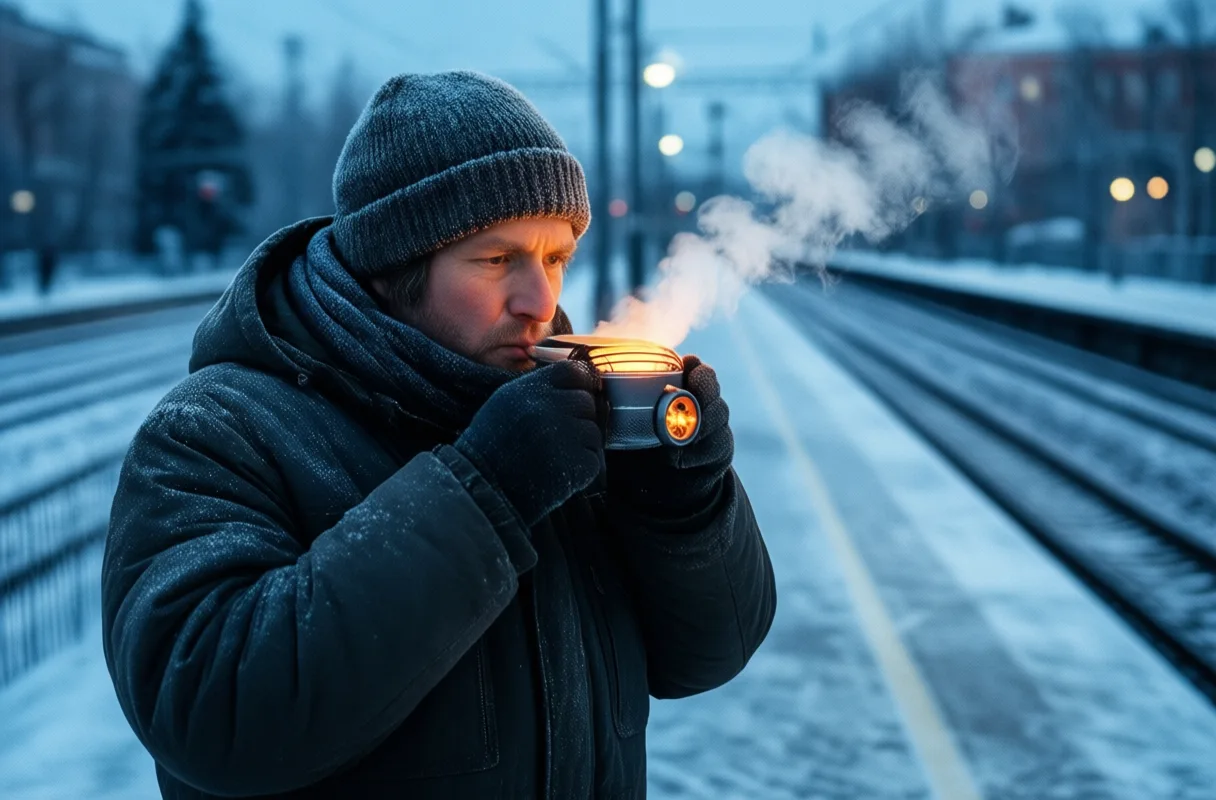
What to Look for When Choosing a Mobile Heating Option
Start by identifying your primary need. Are you trying to keep hands functional during photography? Maintain core warmth during long sits? Or simply take the edge off a chilly cabin?
Match the device to your activity. A heated vest suits active travelers; a blanket serves better during stationary downtime.
Check battery compatibility. Some use proprietary packs; others accept standard USB-C or power banks-offering greater flexibility.
Look for adjustable heat settings. Versatility ensures comfort across changing conditions.
Consider washability. If integrated into clothing, can it withstand cleaning? Are heating elements removable?
Weight and packability matter, especially for international trips with strict luggage limits.
Finally, assess safety certifications. While specific standards aren’t mentioned here, reputable brands typically adhere to electrical safety norms.
Prioritize durability, ease of use, and seamless integration into your existing travel rhythm.
Balancing Power, Portability, and Practical Use
The most elegant solutions disappear into the journey. They don’t demand attention; they simply enable presence.
Power matters, but so does discretion. A clunky device with long runtime may sit unused if it disrupts flow.
Portability isn’t just about size-it’s about how easily something integrates into your movements, your clothing, your habits.
Practicality emerges in moments of need: when fingers regain dexterity, when breath steadies in frosty air, when stillness becomes peaceful instead of punishing.
Choose tools that serve without shouting. That warm your story, not just your skin.
Because true comfort isn’t measured in degrees alone-it’s found in the ability to stay fully engaged, wherever you are.
Final Thoughts on Staying Warm Without Wires
I once watched an elder in Ladakh brew butter tea beside a frozen river, her hands steady despite the cold. When I asked how she endured it, she smiled and said, “Warmth begins inside.”
She wasn’t dismissing the physical. Later, I saw her adjust a woven belt lined with felted wool-her own version of retained heat.
Today’s battery-powered options are modern echoes of ancient wisdom: warmth is personal, layered, intentional.
Are there battery operated heaters that transform cold spaces? Not really. But are there ways to carry warmth with you, quietly, elegantly, effectively? Yes.
They won’t replace firelight or shared hearths. But they allow us to linger longer in the world-to witness more, feel more, be more.
And sometimes, that’s the greatest luxury of all.
| Device Type | Heat Output | Runtime | Best Use Case |
|---|---|---|---|
| Heated Clothing | Adjustable zones up to 110°F | 2–10 hours | Active travel, core warmth |
| Rechargeable Hand Warmers | Warm to hot, LED indicators | Up to 8 hours | Photography, outdoor waits |
| Heated Blankets | Low and high settings | Several hours | Flights, train rides, lounging |
| Heated Scarves/Gaiters | Discreet neck warmth | Varies by model | City walks, observatories |
| Heated Insoles | Steady heat to feet | Varies with use | Standing on cold surfaces |
| Mini Heaters with Fans | Faint warm airflow | Under 1 hour at full power | Brief respite in enclosed spaces |
The Warmth in Your Hands: Battery-Powered Heating Explained
How Do They Even Work?
Battery operated heaters do exist, but they’re not the roaring fireplaces you might imagine. Instead, they rely on clever engineering to deliver targeted warmth using stored electrical energy. Most use resistive heating elements-basically tiny wires that get warm when electricity from the battery flows through them. Because batteries have limited capacity, these devices focus on heating small areas like hands, feet, or a personal space, rather than entire rooms.
Realistic Expectations and Clever Designs
Don’t expect a battery-powered heater to replace your furnace-it’s more about quick comfort on the go. Many models last between 2 to 6 hours on a single charge, depending on heat settings and battery size. Some innovative versions are built into gloves, socks, or heated vests, turning everyday gear into cozy companions for cold commutes or outdoor adventures. Others take the form of compact hand warmers that can be reused after recharging, making them a practical choice for hikers, campers, or anyone stuck in a chilly office.
A Niche with Growing Appeal
While they’ve been around in some form for years, recent improvements in battery tech and materials have made these gadgets more efficient and accessible. Their appeal lies in portability and convenience-no cords, no outlets, just warmth when and where you need it. Whether tucked into a pocket during a winter walk or slipped into ski boots before hitting the slopes, battery-powered heaters prove that sometimes, the smallest sparks make the biggest difference. Explore more stories, videos, and creators on Loaded.
Frequently Asked Questions
Do battery operated heaters work for personal warmth?
Yes, battery operated heaters provide targeted warmth for personal use. They work by using electrical resistance in conductive materials powered by rechargeable lithium-ion batteries.
Can battery powered heaters warm an entire room?
No, they cannot effectively heat entire rooms. These devices are designed to warm personal microclimates, not large spaces, due to limited battery capacity and heat output.
How long do portable battery heaters typically last on a charge?
Runtime varies by device and setting, typically ranging from 45 minutes on high to up to ten hours on low. Actual duration depends on ambient conditions and usage.
Are heated clothing items safe and practical for travel?
Yes, modern heated clothing is safe, with features like auto-shutoff and overheat protection. It is practical for travel, offering adjustable warmth without bulk.
This article was produced with AI assistance. How Navigate Magazine uses AI.
Saniya delves into the intersection of travel and identity, profiling local artisans, culinary traditions, and community-led tourism initiatives. Her work highlights how travel can foster connection, equity, and deeper understanding between cultures.