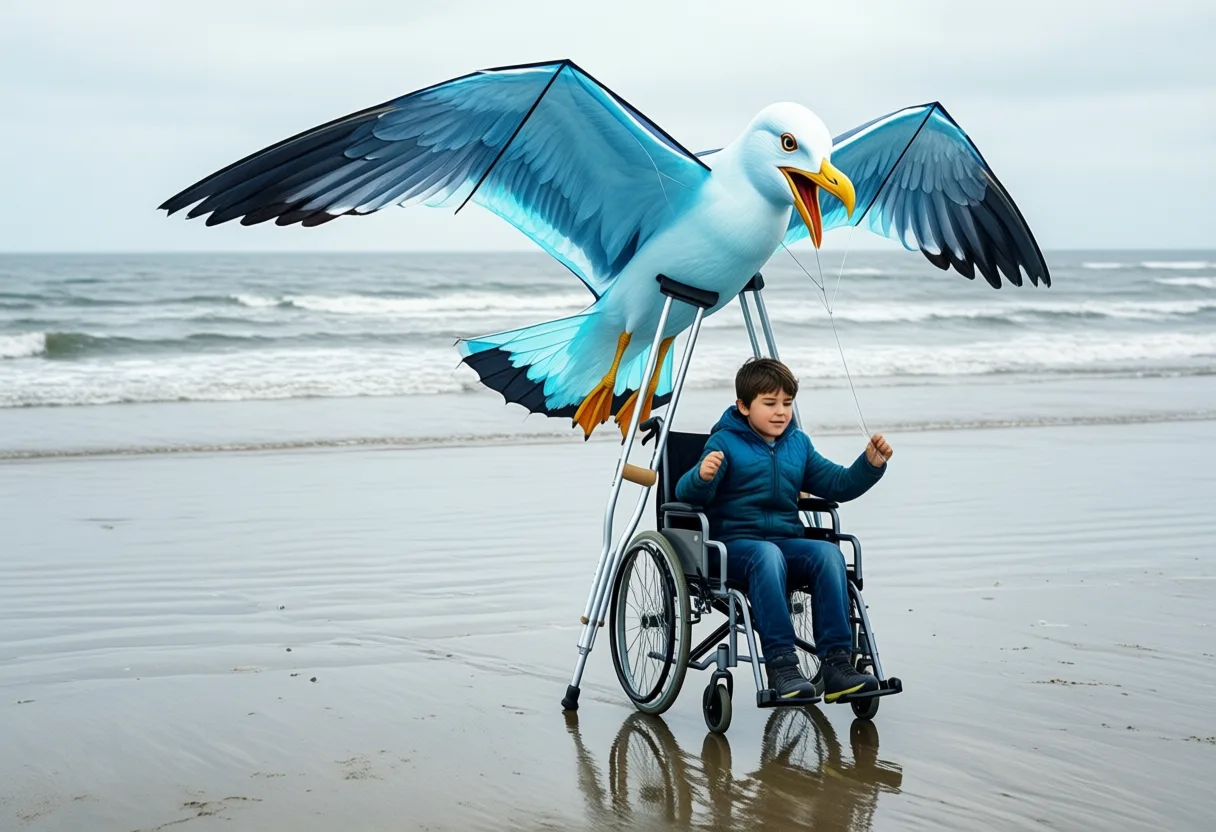
The ocean breathes in time with the tides, its rhythm calling to all who stand at the edge of land and water. For many, stepping onto soft dunes or wading into gentle surf is a ritual of freedom-but for travelers with mobility challenges, that threshold has long been guarded by terrain too shifting, too unstable, to cross. Now, a quiet revolution unfolds along coastlines: not one of protest, but of passage-where engineered grace meets natural wonder, allowing more souls than ever to roll from boardwalk to waves.
What Makes Sand and Water Accessible for Wheelchair Users?
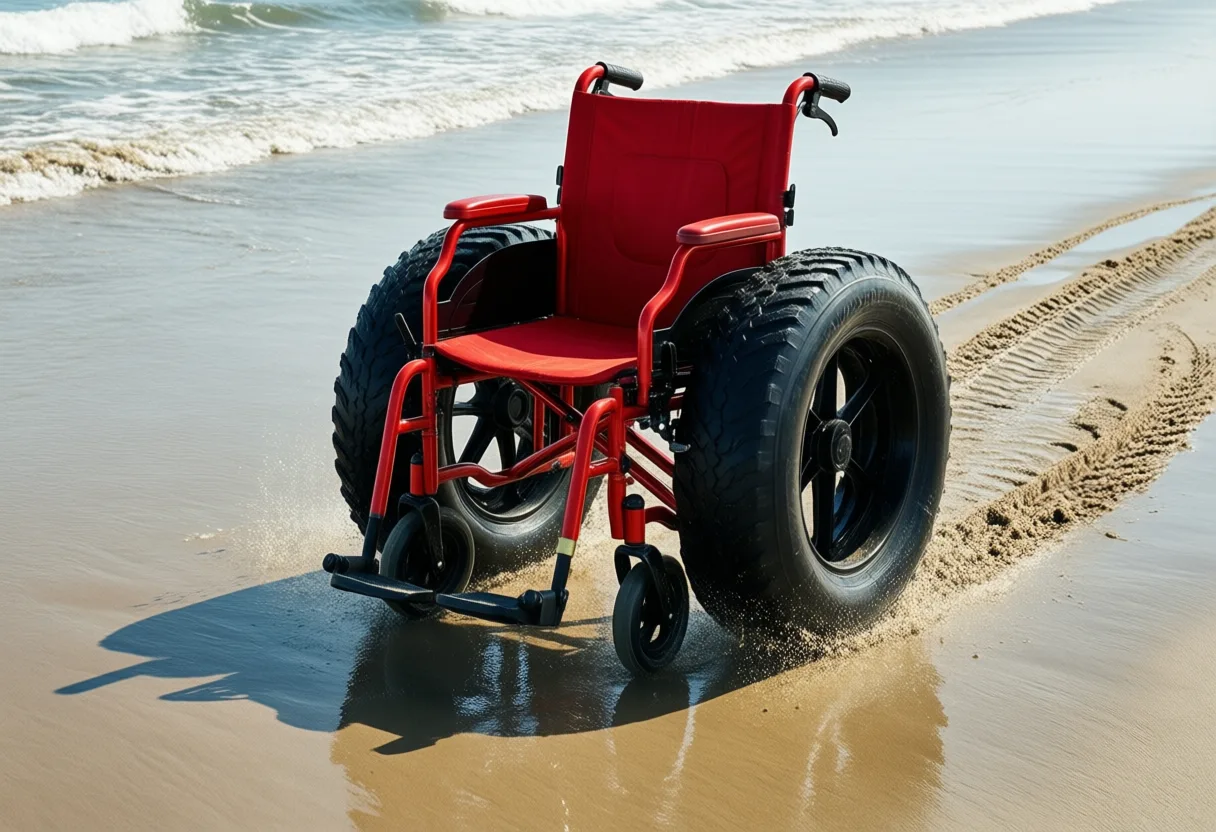
True coastal access begins not with ramps or signage, but with design that listens to the landscape. Standard mobility devices falter where sand shifts beneath weight and saltwater threatens mechanics. Beach Wheelchairs, purpose-built for these conditions, answer with wide, buoyant wheels and rust-resistant frames that glide instead of sink. They are less an adaptation than a reimagining-tools shaped not to conquer nature, but to move through it as part of it.
These chairs do not merely Traverse sand; they float on its surface like water striders skimming a pond. Their oversized tires distribute weight evenly, preventing the deep plunge that traps conventional wheels. When the tide draws near, some models embrace immersion, their sealed components and buoyant construction allowing users to sit safely as waves lap at armrests.
In this way, Accessibility Becomes something fluid-a journey without abrupt stops or barriers. It’s no longer about reaching the shore, but about becoming part of its pulse, feeling spray on skin, hearing the hush and roar of retreat and return.
The Hidden Challenge of Beach Terrain
Sand is not ground-it is movement disguised as stillness. Each granule shifts under pressure, creating a surface that yields unpredictably. A firm step on packed shore may give way to loose drift just inches ahead, turning stability into uncertainty in seconds. This constant flux renders standard wheelchairs nearly useless, their narrow wheels sinking within moments of contact.
Slopes add another layer of difficulty. Even gentle inclines become treacherous when covered in dry, powdery sand. Without traction, descent risks tipping forward; ascent demands strength far beyond what most can summon. Wet sand near the tideline offers slightly better grip, yet introduces new hazards-hidden rocks, tidal pools, and sudden drops masked by foam.
Then there is water itself-corrosive, conductive, and relentless. Most wheelchairs are built for sidewalks and carpet, not saline mist or submersion. Exposure degrades metal, damages motors, and compromises safety over time. The sea does not discriminate, but neither should access-and so innovation rises to meet the challenge.
How Do All-Terrain Designs Conquer Soft Surfaces?
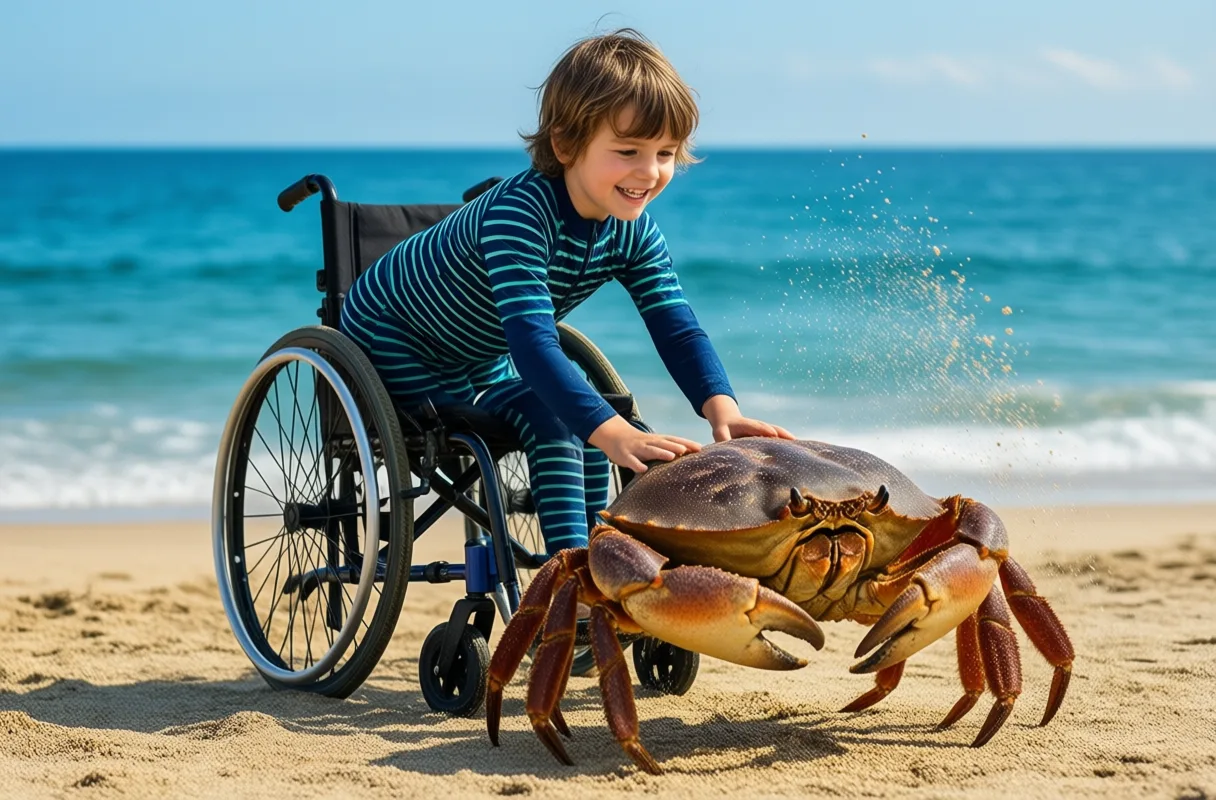
All-terrain beach Wheelchairs are kin to explorers’ vehicles-built for environments where failure means isolation. Their defining feature is large-diameter tires, often made of durable PVC or composite materials, which spread weight across greater surface area. Think of snowshoes for sand: rather than cutting in, they float atop.
These tires rotate on sealed bearings resistant to grit and moisture, ensuring smooth motion even after repeated use on abrasive surfaces. Frames are typically constructed from marine-grade aluminum or other non-corrosive alloys, chosen for both lightness and resilience. Some models include swivel front wheels, enhancing maneuverability around dunes and beach furniture alike.
Propulsion varies-some rely on caregiver-pushed operation, others offer manual handrims designed for easier pushing in resistance-heavy terrain. In every case, the goal remains the same: to restore autonomy, dignity, and reach. Where once a person might be carried or left behind, now they may choose their own path across sun-warmed dunes.
Built to Float: When Mobility Meets the Ocean
Floating Beach Wheelchairs go beyond traversal-they invite immersion. Designed with sealed air chambers in wheels and frame, these models maintain buoyancy even when partially submerged. The MobiChair®, for example, allows users to roll directly into shallow surf, where waves rise around legs and arms stretch toward horizon.
Buoyancy isn’t just functional-it’s emotional. To feel water lift you, to experience weightlessness without transfer or hoist, is to reclaim a sensation many thought lost. Children laugh as foam swirls around footplates; adults close their eyes as cool currents kiss calves. These moments are not incidental-they are central to the beachgoing soul.
Safety remains paramount. Seats are contoured and often equipped with quick-release belts. Footrests elevate above waterline when floating, and frames remain stable even in mild wave action. There is no motor meant for swimming, no attempt to replace swim aids-but there is presence, participation, belonging.
Why Can’t Standard Wheelchairs Handle the Shoreline?
Standard wheelchairs are architects of hard surfaces-engineered for predictability. Their narrow wheels dig into sand like anchors, halting progress within feet of departure. Pushing them requires immense force, often leading to fatigue or injury for caregivers. Even if propulsion succeeds, recovery is messy-sand clogs joints, grinds bearings, and clings to upholstery.
On slopes, balance becomes precarious. Center of gravity shifts dangerously, especially on uneven or wet sand. Brakes may fail to hold on inclines, increasing risk of uncontrolled movement. And when water approaches-even ankle depth-electrical systems in powered chairs face irreversible damage.
Materials themselves betray their limitations. Steel rusts quickly in salty air. Foam padding absorbs moisture, breeding mold. Upholstery fades and frays under UV exposure. These chairs were never meant for such conditions, and asking them to perform here is to ask them beyond their purpose.

A Closer Look at Sand, Slopes, and Stability
Dry sand behaves like liquid under load-its loose structure offering little support. Imagine trying to walk on ball bearings; each step collapses the surface beneath. For wheelchairs, this means constant resistance and instability. Only wide, low-pressure tires can prevent sinking, distributing force like foundations on marshland.
Wet sand fares better, compacted by receding tides into firmer crust. Yet it hides dangers-uneven depressions, submerged debris, slippery algae patches. Transitions between dry and wet zones create microclimates of traction loss. A chair must adapt instantly, maintaining grip without catching or tipping.
Slope management demands thoughtful geometry. Chairs with longer wheelbases and lower centers of gravity resist tipping. Rear anti-tip bars provide backup security, while angled push handles allow attendants to maintain control during descent. Swivel casters help navigate changing angles, particularly where dunes meet flat beach.
Stability also depends on user positioning. Adjustable footrests ensure legs don’t drag, while padded backrests reduce strain during extended outings. Every element conspires toward one aim: making the unpredictable feel predictable again.
What Options Exist for Beach-Goers with Mobility Needs?
Today’s coastal traveler faces fewer barriers-not because terrain has changed, but because tools have evolved. From rugged transport chairs to fully floating designs, options now reflect diverse needs, preferences, and levels of independence.
1. Rugged Chairs with Oversized Tires for Dry Sand
These workhorses dominate drier stretches of beach, where flotation isn’t needed but traction is essential. Equipped with balloon-like PVC tires, they roll smoothly over loose sand and uneven ground. Lightweight enough for transport, yet robust enough for daily use, they serve as reliable companions from parking lot to picnic blanket.
Some models fold for storage, though many remain bulkier than everyday chairs due to tire size. Caregiver-operated versions often feature extended push handles and ergonomic grips, reducing physical strain during long pushes.
They may not enter water, but they extend reach dramatically-allowing users to join groups farther from paved paths, breathe sea air without barrier, and watch sunsets from places once unreachable.
2. Floating Models That Support Water Entry
For those seeking full sensory engagement, floating wheelchairs deliver. With sealed buoyant wheels and corrosion-proof frames, they transition seamlessly from dry land to knee-deep surf. Users remain seated as waves wash around them, experiencing the ocean’s touch without transfer.
These models prioritize safety in buoyancy distribution-ensuring the chair floats level, not nose-down. Seating is secure, often with adjustable lap belts and elevated leg rests. While not intended for swimming, they enable meaningful interaction with water.
Emotionally, this access transforms experience. Parents wade beside children building sandcastles; couples dip toes together as tides roll in. The boundary between observer and participant dissolves.
3. Manual vs. Motorized: Choosing the Right Fit
Manual Beach Wheelchairs require caregiver assistance or upper-body strength for self-propulsion. They tend to be lighter, simpler, and more widely available. Ideal for short excursions or shared use, they suit those comfortable relying on companions.
Motorized variants offer greater autonomy. Powered all-terrain wheels attach to some models, enabling self-navigation across sand. Though heavier and pricier, they empower independent movement, especially valuable on Expansive beaches.
Choice hinges on personal need, stamina, and desired experience. Some value simplicity and portability; others prize freedom of motion. Both paths lead to inclusion.
4. Where to Find Them – Public Access Programs
A growing number of public beaches now offer complimentary access programs. Coastal parks, state reserves, and municipal shores install these chairs as part of broader inclusivity efforts. In California, the Coastal Commission supports availability at select locations, where Harbor Patrol staff handle delivery and pickup upon reservation.
Users call ahead to arrange access, often coordinating timing with lifeguard stations or visitor centers. These initiatives reflect a shift-from viewing accessibility as luxury to recognizing it as right.
No fee doesn’t mean lesser quality. Many public units are high-end models, maintained regularly and designed for frequent use. Availability varies seasonally, so advance planning remains key.
5. Rental Networks and Reservation Tips
Private rental networks supplement public offerings, particularly in tourist-heavy regions. Myrtle Beach, for instance, provides Beach Wheelchairs across Horry and Georgetown Counties, accessible via phone or email request. Reservations are strongly advised, especially during peak seasons.
Rental fees vary-motorized models cost at least $75 per day in some areas-though many locations waive charges entirely. Delivery options sometimes include direct drop-off at beach entrances, minimizing initial effort.
When reserving, specify needs clearly: weight capacity, preferred operation style (manual or powered), and whether water immersion is desired. Confirm pickup logistics early, noting operating hours for retrieval teams.
6. Key Features That Improve Safety and Comfort
Beyond tires and buoyancy, subtle details define usability. Padded armrests ease pressure during long sits; breathable mesh backs prevent overheating. Adjustable footrests accommodate varying leg lengths and positions, crucial for circulation and comfort.
Quick-release wheels simplify transport and cleaning. Locking brakes ensure stability on slopes. Push handles with cushioned grips reduce caregiver fatigue. Rust-resistant hardware extends lifespan, even with regular saltwater exposure.
Sun protection matters too. Some models integrate canopy mounts or umbrella holders, shielding users during prolonged stays. Reflective strips enhance visibility at dawn or dusk.
7. Planning Ahead: Delivery, Pickup, and Beach Readiness
Success begins before arrival. Call local authorities or rental providers days in advance to confirm availability and procedures. Ask about setup support-some services bring the chair directly to your entry point, sparing extra effort.
Pack lightly but wisely. Bring towels, sunscreen, and a change of clothes. Consider a waterproof bag for phones or medical items. Arrive early to avoid crowds and secure optimal positioning near water or shade.
After use, follow return instructions precisely. Late returns delay access for others; improper storage risks damage. Treat these shared resources with care-they exist because communities chose to invest in equity.
Can You Really Roll from Boardwalk to Waves?
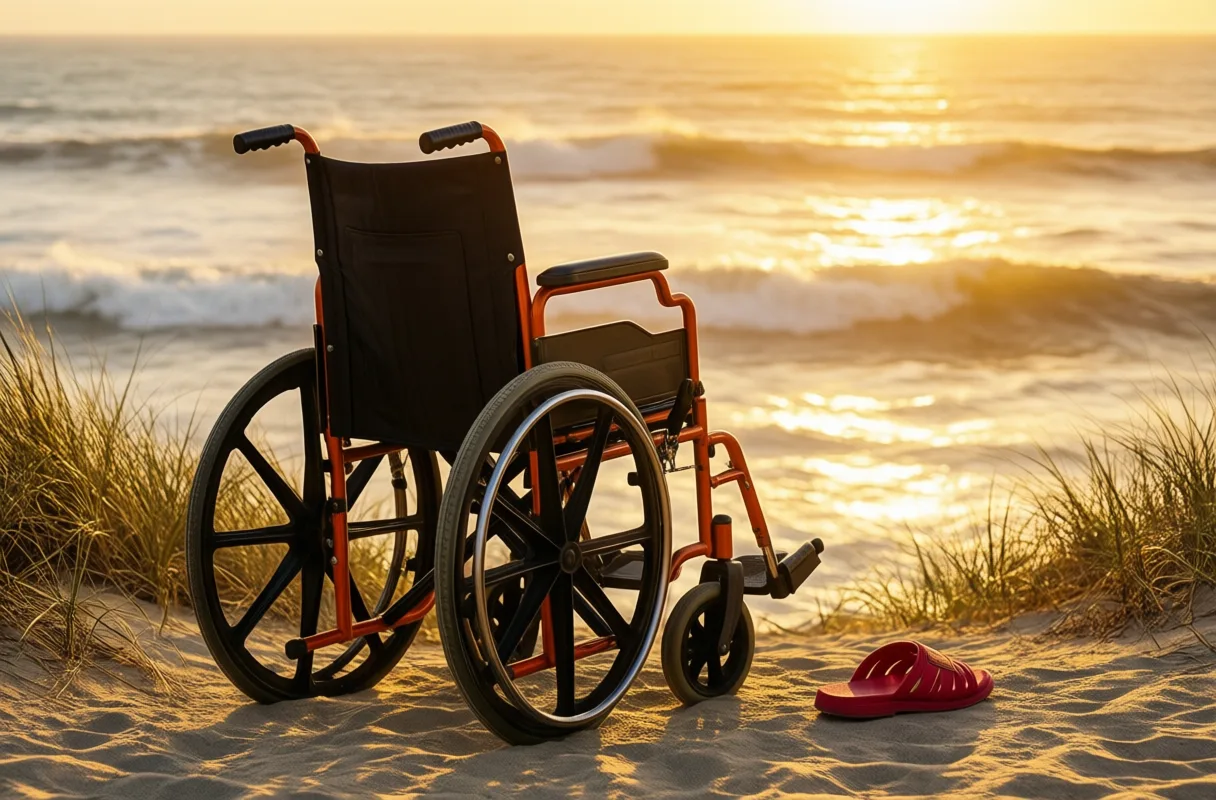
Yes-and increasingly, it’s expected. Floating Beach Wheelchairs like the Mobi-Chair® promise a Seamless transition from boardwalk-to-beach-to-water, eliminating the need for transfers, lifts, or compromise. No longer must someone choose between watching waves and feeling them.
This continuity alters perception. Instead of segmented access-paved path, then stop, then carry-the journey flows uninterrupted. Movement becomes narrative, unfolding naturally from arrival to immersion.
It’s a small miracle of engineering: to sit in the same seat from dune to surf, to feel terrain change beneath you without changing yourself. The body stays anchored while the world opens wide.
What Should You Know Before Hitting the Shore?
Preparation turns potential into reality. Start by researching your destination-does it offer Beach Wheelchairs? Are reservations required? What types are available? Not all beaches provide floating models, so clarify capabilities early.
Contact information is vital. Save numbers for rental desks, harbor patrols, or adaptive recreation offices. Email confirmations help, but direct calls ensure clarity. Operating hours differ-many services end mid-afternoon, so plan accordingly.
Weather plays a role. High winds complicate pushing; extreme heat affects comfort. Check tide schedules-moderate surf enhances experience, while storm surges make water entry unsafe. Lifeguard presence adds another layer of reassurance.
Finally, communicate needs openly. Whether traveling solo or with support, know what will make the day joyful: shade, proximity to facilities, time in water. Advocate gently but firmly-for yourself, and for the quiet dignity of full participation.
Beyond the Chair: What True Coastal Inclusion Looks Like
A beach wheelchair is more than equipment-it’s a symbol of welcome. But true inclusion extends beyond hardware. It lives in trained staff who greet without hesitation, in restrooms with roll-in showers, in shaded seating near water’s edge.
It means audio descriptions for tide patterns, braille signage on trails, and beach mats that smooth the path from pavement to sand. It includes staff trained in respectful assistance, understanding when to help and when to step back.
Most profoundly, it shows in culture-the unspoken message that every body belongs here. That joy isn’t measured by mobility, but by presence. That the sea does not judge how one arrives, only that one dares to come.
As more shores open their arms, we remember: the horizon belongs to everyone.
| Type | Terrain Use | Water Entry | Propulsion |
|---|---|---|---|
| Rugged with oversized tires | Dry sand, uneven ground | No | Manual, caregiver or self |
| Floating model | Dry sand, wet sand, shallow surf | Yes | Manual or motorized |
| Motorized all-terrain | Dry and wet sand | Limited or none | Powered self-propulsion |
Rolling Over Sand and Into the Surf
Built for the Elements
Beach Wheelchairs aren’t your average chairs on wheels-they’re tough, all-terrain models made to handle sand, rocks, and even shallow water. Standard tires would sink fast, but these roll smoothly thanks to oversized, wide-footprint tires that distribute weight like snowshoes. Some models take it a step further with buoyant wheels, letting users float safely in the surf. That means someone can roll right off the boardwalk, across the beach, and into the water without switching gear.
Floating Into Action
One standout design is a high-quality floating model engineered so well it transitions seamlessly from dry land to swimming depth. The chair’s special wheels trap air, keeping the whole setup afloat without extra inflatables or attachments. This isn’t just about mobility-it’s about freedom. People using these chairs can wade in and feel waves lap at their legs, experience ocean buoyancy, or join adaptive surf programs. In some places, volunteers deliver and retrieve the chairs directly at beach access points, making the whole day easier.
Access Is Growing-And Often Free
You might assume renting one of these specialized chairs costs a fortune, but while daily rental fees can start around $75, plenty of beaches now offer them free of charge. Public agencies and coastal programs are stepping up, stocking wheelchairs at popular shoreline spots from California to the Carolinas. No need to plan months ahead-some locations just ask for a quick call to reserve one. With more communities installing beach mats and expanding services, rolling onto the sand is becoming a regular summer outing for many who once had to watch from afar. Explore more stories, videos, and creators on Loaded.
Frequently Asked Questions
What makes Beach Wheelchairs different from standard wheelchairs?
Beach Wheelchairs have wide, buoyant tires and rust-resistant frames that allow them to glide over sand and withstand saltwater exposure. Unlike standard wheelchairs, they are designed specifically for unstable terrain and wet conditions.
Can Beach Wheelchairs go into the water?
Yes, some models are built to float with sealed air chambers in wheels and frame, allowing users to roll into shallow surf safely. They are not for swimming but enable wading and water immersion.
Where can I find a beach wheelchair?
Many public beaches offer Beach Wheelchairs through accessibility programs. They may be available for free or rent, often requiring a reservation through local authorities or rental networks.
Do Beach Wheelchairs work on dry sand?
Yes, rugged models with oversized tires roll over dry sand by distributing weight evenly, preventing sinking. These are ideal for reaching picnic areas or watching sunsets far from paved paths.
This article was produced with AI assistance. How Navigate Magazine uses AI.
Elara explores high-end resorts and boutique accommodations, focusing on immersive guest experiences and sustainable opulence. She seeks out properties where design, service, and local culture converge to create meaningful stays that go beyond comfort into storytelling.