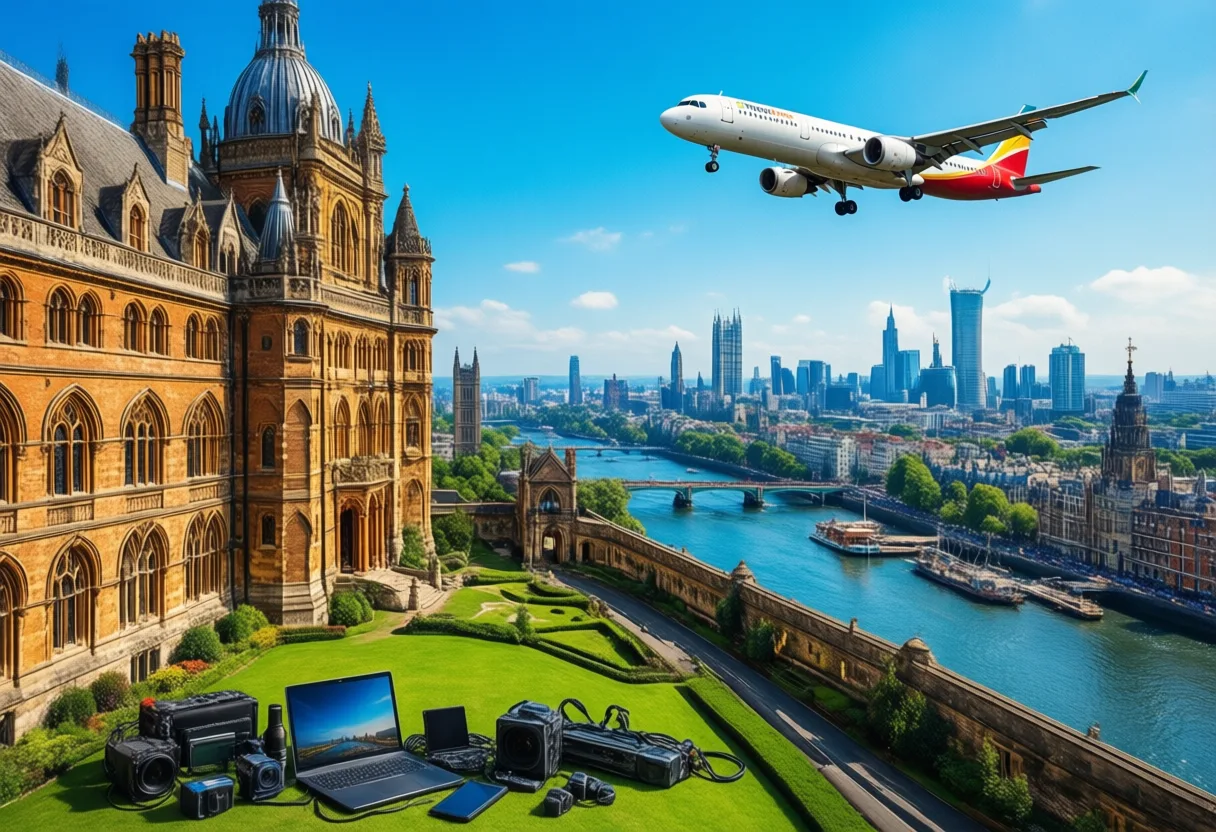

The sky over Europe hums with possibility. Summer light stretches across runways, and the scent of jet fuel mixes with sea air from the Aegean to the Atlantic. London’s airports pulse with departures-some Costing Less than a concert ticket.
You can still fly to Europe this Summer For under £39. Not every flight. Not every day. But If you know where to look, when to strike, and what the price really buys, a continent unfolds at bargain cost.
How to Snag Summer Flights from London to Europe for Under £39
Timing is everything. Airlines release seats in waves. The cheapest often appear months out-or at the last minute. Set alerts. Watch. Wait. Pounce.
Fares under £39 are real, but they’re not for every route or date. They cluster on routes with high competition-routes where one airline’s empty seat is another’s loss. These are not gimmicks. They’re strategy.
- Major carriers sometimes match budget prices to defend market share.
- New routes get launched with loss-leading deals.
- Secondary airports attract airlines hungry for traffic.
Book midweek. Fly midweek. Tuesdays and Wednesdays offer the thinnest crowds and the lowest prices. Avoid school holidays. Avoid bank holidays. Avoid events.
The cheapest tickets don’t appear on glossy homepages. They hide in filtered searches. Use flexible date tools. Let the calendar show you the gaps. The difference between £39 and £120 can be 48 hours.
The Real Cost of Last-Minute European Escapes This Season
Last-minute doesn’t always mean expensive. Airlines hate empty planes. A seat sold for £39 is better than one sold for nothing. As departure nears, some drop prices to fill cabins.
But this isn’t magic. It’s math. And it only works when demand dips. Summer is peak season. Most flights sell out early. Waiting is a gamble-not a strategy.
You might catch a deal flying from Stansted to Kraków on a rainy Tuesday. You won’t catch one to Mykonos on Friday. Demand shifts the board. Always.
Still, flexibility rewards. If your plans bend, your costs can plummet. A sudden shift in schedule, a cancelled meeting-these are openings. Monitor prices daily in the final two weeks.
- Last-minute deals favor offbeat destinations: Riga, Sarajevo, Thessaloniki.
- Big cities like Paris or Rome rarely dip below £60 in July.
- Airlines with overcapacity on certain routes may slash prices with little notice.
The risk? Limited choice. Early flights. Long layovers. No refunds. But for the agile, last-minute can mean low cost and high reward.
Why Budget Routes from London Are Surprisingly Still Flying Low
London has more European routes than any other city. Five airports. Dozens of airlines. This volume creates pressure. Competition keeps prices down-even in summer.
Budget carriers still dominate on thin routes. They fly point-to-point. No hubs. No frills. Just fuel and flight plans. Their model depends on low fares driving high volume.
When demand wobbles, they cut prices fast. They’d rather fly full at a loss than half-empty at a profit. It’s how they survive.
- Routes to Eastern Europe often stay cheap due to lower airport fees.
- Secondary cities like Gdańsk or Ljubljana see less demand than capitals.
- Airlines use these routes to position aircraft for higher-yield return flights.
Even legacy carriers dip into the budget game. Not to win on price-but to stay in play. A £39 fare from a major airline is rare. But it happens when they’re fighting for share.
The bottom line: oversupply keeps some fares shockingly low. Not forever. But long enough to strike.
Hidden Factors That Keep Some London-European Fares Shockingly Cheap
Cheap isn’t random. It’s engineered. Some routes stay low because the cost to operate them is low. Think shorter flights. Smaller airports. Faster turnarounds.
Fuel use drops sharply on flights under two hours. Less fuel means lower costs. Lower costs mean room for lower fares.
Secondary airports charge less for landing and handling. Think Beauvais, not Charles de Gaulle. These savings get passed on-quietly.
- Airlines flying from Luton or Stansted save on fees.
- Smaller planes on niche routes reduce overhead.
- Crew schedules are tighter, cutting labor costs.
Then there’s politics. Some governments subsidize routes to boost tourism or regional access. You won’t see it on the ticket. But it’s in the price.
And don’t forget fleet efficiency. Newer planes burn less fuel. Airlines with modern fleets can afford to charge less and still profit.
What Airlines Don’t Advertise About Their £39 Fares (And Why They Exist)
£39 buys a seat. Not an experience. Not a suitcase. Not a meal. It buys the right to sit, strapped in, for a few hours.
Airlines make money on add-ons. Checked bags. Seat selection. Drinks. Wi-Fi. The fare is the bait. The extras are the catch.
They don’t advertise that you’ll pay £25 more to bring a carry-on. Or £15 to choose your row. Or £10 for water. They don’t have to. The price is real. The fine print is long.
Why do they exist? Because they fill planes. Because they lure first-time buyers. Because they pressure competitors.
- Ultra-low fares often land at distant airports-hours from city centers.
- They’re non-refundable. Changes cost more than the ticket.
- They come with no loyalty points, no upgrades, no flexibility.
But they serve a purpose. For the prepared, they’re a ticket to Europe. For the unready, they’re a lesson in reading deeper.

Timing Tricks: When to Book for the Lowest Summer Fares from London
Book too early, and you might miss a drop. Book too late, and you’ll pay peak. The sweet spot is narrow.
For summer flights, The best window is 6 to 8 weeks out. Not earlier. Not later. That’s when airlines adjust for real demand.
Set price alerts. Watch trends. If fares rise, wait. If they dip, book. Don’t chase the lowest ever-chase the lowest Now.
- Tuesdays often see new deals drop after weekend demand fades.
- Early morning searches can reveal unadvertised price cuts.
- Avoid booking on weekends-yields climb with leisure demand.
Flexible dates? Use a calendar view. Let the data guide you. A flight on a Tuesday might cost half of Thursday’s.
And remember: summer isn’t one season. June is softer than July. August is packed. Early June or early September can offer space and savings.
Route Secrets: Which European Destinations Offer the Steadiest Bargains
Not all European cities are created equal. Some are magnets for budget routes. Others guard their prices.
Eastern Europe leads the value list. Think Kraków, Budapest, Riga. These cities have multiple carriers, low fees, and steady supply.
Southern sunspots vary. Lisbon and Porto see competition from multiple airlines. Fares stay reasonable. But Athens or Santorini? High demand. High prices.
- Central Europe: Prague, Bratislava, and Vienna often have sub-£50 flights.
- Baltic capitals: Tallinn, Vilnius, Kaunas-frequent and affordable.
- Northern cities: Bergen, Stavanger, even Reykjavik-yes, Iceland-can dip below £60.
Look beyond the obvious. Fly to Pisa, not Florence. To Beauvais, not Paris. To Bergamo, not Milan. Distance from city centers is the trade-off.
But train links improve. A 45-minute rail ride from Girona to Barcelona beats a £150 fare to central airport.
Common Myths About Ultra-Cheap Flights from London-Debunked
Myth: Cheap flights aren’t safe. False. All airlines meet strict safety standards. Price doesn’t affect maintenance or training.
Myth: Only sketchy airlines offer £39 fares. No. Major carriers sometimes match low prices to compete. It’s rare, but it happens.
Myth: If it’s cheap, it’s a scam. Not true. Legitimate airlines sell low fares to fill planes. The ticket is real. The conditions are just strict.
- You won’t get a lie-flat bed. But you’ll get to Europe.
- The flight might be at 5 a.m. But it flies.
- The airline might be unknown. But it’s certified.
Another myth: you need elite status to find deals. Not so. Anyone can book. But not everyone waits, watches, and wins.

Smart Rules for Maximising Value Without Sacrificing Comfort
Low cost doesn’t mean low comfort-if you plan right.
Pack light. A cabin bag only. Avoid fees. Wear your heaviest clothes on board. Save space.
Choose your seat wisely. A middle row near the back isn’t ideal. But it’s better than paying extra for window or aisle.
- Bring your own snacks. Airport food inflates prices.
- Charge devices fully. Power outlets aren’t guaranteed.
- Download entertainment. Streaming isn’t free.
Fly off-peak. 6 a.m. Flights are empty. Fewer delays. Faster boarding.
And consider the total cost. A £39 fare to an airport 2 hours from the city isn’t a bargain if the train costs £30. Factor in transit.
The Fine Print: Understanding Baggage, Times, and Transfer Trade-Offs
£39 rarely means door-to-door for under £50. The base fare is just the start.
Most ultra-cheap tickets include only a personal item. A carry-on bag? That’s £20–£40. Checked luggage? More.
Flight times matter. Red-eye departures save money but drain energy. Arriving at 3 a.m. In a foreign city isn’t restful.
- Delays are more common on budget carriers. No backup fleet.
- Cancellations mean long waits. No lounges. Few staff.
- Transfers add risk. One missed leg can collapse the trip.
And connections? A direct flight is simpler. But a one-stop route might save £60. Weigh the risk.
Know the rules. Refunds? Unlikely. Changes? Costly. Missed flight? Ticket void.
What Your Next Cheap European Getaway Could Actually Cost
£39 is just the beginning. Add baggage. Add transfers. Add meals. Add time lost to early flights or long waits.
A flight to Budapest might start at £39. But with a carry-on, a train from the airport, and a bottle of water on board, you’re closer to £80.
Yet that’s still less than half of peak-season prices. And it buys you three days in a city of thermal baths, ruin bars, and grand architecture.
- Budget stays: hostels and guesthouses thrive in secondary cities.
- Transit: many European capitals have efficient, low-cost rail links.
- Food: markets and bakeries offer meals under €5.
The real value isn’t in the fare. It’s in the freedom. The chance to go. To see. To move.
Europe isn’t reserved for the wealthy. Not when a seat costs less than a dinner. Pack light. Plan sharp. Go.
| Destination | Typical Fare Range | Airport Type | Notes |
|---|---|---|---|
| Kraków | Under £50 | Main airport | High carrier competition keeps prices low |
| Budapest | Under £50 | Main airport | Frequent budget flights available |
| Riga | Under £50 | Main airport | Steady supply from multiple airlines |
| Beauvais | Under £39 | Secondary airport | Serves Paris; longer transfer but lower fees |
| Girona | Under £39 | Secondary airport | Serves Barcelona; good rail links |
| Tallinn | Under £50 | Main airport | Affordable and frequently served |
Soaring Into Summer Adventures
Grab your passport and a sense of adventure-this summer, European escapes from London are more accessible than ever, with return flights dipping as low as £39. These rock-bottom prices aren't just flash-in-the-pan deals; they're often the result of fierce competition among airlines and clever airport choices. Flying from London isn't limited to just Heathrow or Gatwick; budget carriers frequently operate from Stansted, Luton, or even Southend, giving you more departure options and often lower fares simply by being flexible about your starting point.
More Than Just Low Numbers
Did you know that some of the cheapest flights often land in secondary cities? Instead of flying directly into central Paris or Barcelona, you might touch down in Beauvais or Girona, a bit further out but easily reachable by bus or train. This strategy allows airlines to save on airport fees, savings they pass right on to you. It’s a small trade-off for a massive win on your wallet. Early morning and late-night flights also tend to be cheaper-those red-eye trips might just be the secret to stretching your holiday budget further.
Unexpected Perks of Budget Travel
Flying budget doesn’t mean flying without fun. Some low-cost carriers have turned their planes into unexpected canvases, featuring bold, colourful liveries or even cartoon-themed exteriors that make spotting them at the airport a game in itself. While legroom might be tighter, the real travel hack lies in packing light: mastering the art of the carry-on not only dodges baggage fees but also means you’re off and exploring the moment you land. With fares this low, the biggest risk isn’t the flight-it’s how hard you’ll have to resist booking a spontaneous second trip. Explore more stories, videos, and creators on Loaded.
Frequently Asked Questions
What destinations in Europe offer the cheapest flights from London?
Eastern European cities like Kraków, Budapest, and Riga often have the lowest fares. Other affordable options include Prague, Bratislava, Tallinn, Vilnius, and Kaunas. Flying to secondary airports such as Beauvais or Girona instead of central hubs can also save money.
When is the best time to book a summer flight from London to Europe for under £39?
The best window is 6 to 8 weeks before departure. Tuesdays often see new deals, and early morning searches may reveal unadvertised price drops. Avoid booking on weekends when leisure demand pushes prices up.
Why are some flights from London to Europe still priced under £39 in summer?
High competition among airlines, use of secondary airports with lower fees, efficient short-haul operations, and airline strategies to fill planes all help keep certain fares low. Oversupply on specific routes also drives down prices.
What is not included in a £39 flight from London to Europe?
A £39 fare typically includes only a seat and a personal item. Carry-on bags, checked luggage, seat selection, meals, and drinks cost extra. These tickets are usually non-refundable and changes can be expensive.
This article was produced with AI assistance. How Navigate Magazine uses AI.
Tomasz covers off-the-grid destinations and adrenaline-fueled activities across remote regions, from Arctic treks to jungle expeditions. He emphasizes cultural authenticity, environmental responsibility, and the raw, unfiltered moments that define transformative journeys.