Travel Should inspire, not exhaust. The most memorable journeys aren’t the ones packed with back-to-back checklists, but those that allow space for spontaneity, serendipity, and stillness. The secret lies not in rigid schedules, but in crafting a framework that balances intention with freedom-where Anchor activities Guide your days and Buffer time Invites discovery.
The Problem With Overplanned Itineraries
Too often, travelers Mistake productivity For fulfillment. A tightly packed schedule promises maximum value-more sights, more photos, more stamps in the passport-but the reality is often fatigue, frustration, and missed moments. When every minute is accounted for, there’s no room for the unexpected: a conversation with a local artisan, a hidden courtyard bathed in golden light, or the decision to linger over espresso as street musicians begin to play.
Overplanning also increases stress. Delays in transportation, longer-than-expected Museum visits, or simply needing a rest can derail an inflexible agenda, turning joy into anxiety. The pressure to “keep up” with a packed itinerary often means rushing through experiences instead of savoring them. This is especially true in luxury travel, where the value lies not in quantity, but in quality-the depth of engagement, the comfort of pacing, and the elegance of choice.
A rigid plan Assumes perfect Conditions and predictable energy levels-neither of which exist in real travel. When every activity is chained to the next, one delay cascades into the next, leaving travelers feeling defeated rather than delighted. The antidote isn’t abandoning planning altogether, but reimagining it: building a structure that supports freedom, not fights against it.

Anchor Activities: The Spine of a Thoughtful Itinerary
The foundation of a flexible travel itinerary is the Anchor activity-one or two Essential experiences Per day that give your day shape without dictating every moment. These are the non-negotiables: a reservation at a renowned restaurant, a timed entry to a museum, or a guided tour of a historic site. They provide focus and ensure you don’t miss what truly matters to you.
By limiting anchors to one or two per day, you create natural breathing room. This allows you to build outward with curiosity rather than compulsion. For example, an anchor might be a morning cooking class in Kyoto, leaving the afternoon open for wandering Nishiki Market or resting in a quiet tea house. The anchor ensures you experience something meaningful, while the open space invites personal rhythm.
Choosing anchors wisely is key. Prioritize experiences that require advance booking or have limited availability. Avoid stacking Multiple time-sensitive Events in a single day. Instead, use tools like Custom-coded timeslots To organize your plan visually, ensuring clarity without clutter. Whether using a Google Sheet or a customizable itinerary planner template, the goal is simplicity-mapping out what must happen, not every possible thing that could.
Buffer Time: Where Magic Happens
Buffer time is not wasted time-it’s the canvas on which travel’s most authentic moments are painted. This intentional space between activities allows for rest, reflection, and unplanned discovery. It’s the pause that lets a city reveal itself, not as a checklist, but as a living, breathing place.
Professional travelers know that The best experiences are rarely scheduled. A chance encounter at a neighborhood bakery, an impromptu street festival, or simply watching the light change over a canal-these are the memories that endure. Buffer time makes space for them. It also accommodates the inevitable: a delayed train, a longer lunch, or the desire to sit and read in a sunlit piazza.
To build effective buffer time, resist the urge to fill gaps. After an anchor activity, block out at least 60 to 90 minutes before the next commitment-if there is one. Use this time to recharge, explore nearby streets, or simply observe. In luxury travel, this pacing is not a luxury-it’s a necessity. It transforms a trip from a sprint into a symphony, where rhythm and resonance matter more than speed.

Building Your Flexible Framework: A Step-by-Step Approach
Start by making a list of potential experiences in your destination. Include museums, restaurants, walks, and cultural events-anything that interests you. Then, narrow it down to one or two Anchor activities per day, based on availability, personal significance, and logistical feasibility. These become the fixed points in your plan.
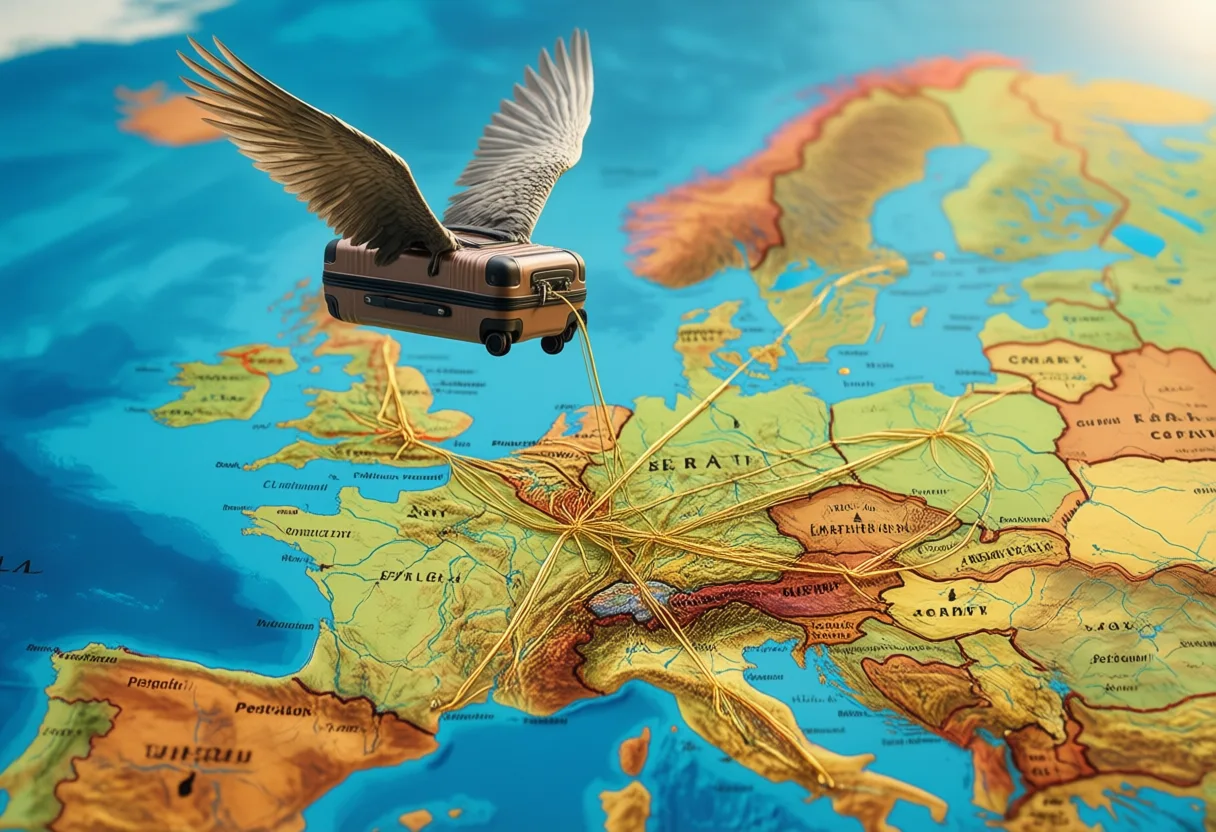
Next, Make a map. Visualizing your anchors geographically helps you cluster activities by neighborhood, minimizing transit time and maximizing efficiency. A morning anchor in Montmartre doesn’t need to be followed by a lunch reservation in Le Marais-unless you want it to be. Proximity creates natural flow, and flow reduces friction.
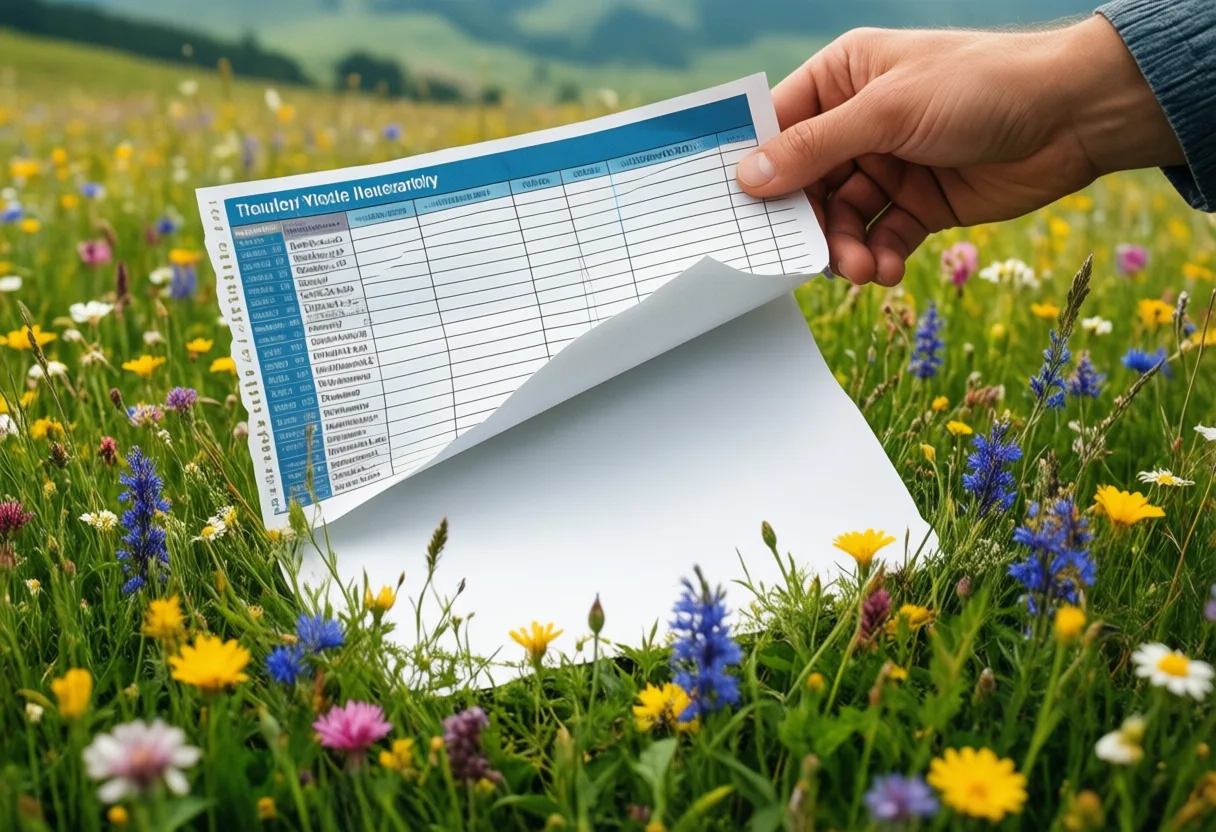
Then, build a Skeleton travel itinerary. Use a tool like a Google Sheet or a customizable planner template to outline your days with minimal detail: just the anchor, its time, and generous blocks of open space. Include meal times loosely-perhaps “lunch near Palais Royal” rather than a specific reservation-unless dining somewhere exclusive. This skeleton is your guide, not your jailer.

Tools and Templates That Support Flexibility
Planning doesn’t require complexity. A simple, well-organized system is more effective than an overloaded app. Many travelers find success with Free and customizable itinerary planner templates That allow personalization without rigidity. These can be printed or used digitally, offering clarity without constraint.
Using a Google Sheet gives you full control. You can color-code anchors, add notes for transportation, and adjust on the fly. The key is to keep it clean-avoid overloading cells with tiny print and endless links. A clean layout supports calm decision-making, not information overload.
Templates also help maintain consistency across trips. Once you’ve designed a format that works-whether minimalist or detailed-you can replicate it for future journeys. This reduces planning fatigue and keeps the focus on experience, not formatting. The goal is a plan that serves you, not one that demands constant maintenance.
The Art of Letting Go
The final step in building a flexible itinerary is mental: Letting go of the need to do it all. No traveler has ever “seen everything,” and those who try often remember the least. True luxury in travel is the freedom to choose-not just what to do, but what Not To do.
This means giving yourself permission to skip a museum if you’d rather sit in a garden. It means staying in a café for two hours over coffee, just because the vibe is right. It means understanding that A well-planned trip isn’t measured by volume, but by value.
When you release the pressure to maximize every moment, you open the door to meaning. The itinerary becomes a companion, not a commander. It holds space for both intention and impulse, for discovery and downtime. And in that balance, you find not just a better trip-but a better way to travel.
The Art of the Unplanned Plan
Anchor Your Day, Not Every Hour
Think of your trip like a day at the beach: you bring a towel (your anchor activity), but you don’t schedule every wave. Picking just one or two must-do things each day-like catching an early tour or snagging dinner at that buzzy spot-keeps your trip focused without locking you into military precision. This method works because it respects real life: traffic happens, museums close early, and sometimes you’ll stumble on a tiny bookstore or street market too good to pass up. By not overbooking, you give yourself room to actually enjoy where you are instead of rushing to the next box on a list.
Map It, Skip the Spreadsheet Stress
Before diving into spreadsheets or apps, try sketching your spots on a simple map. Visualizing where things sit in relation to each other helps you avoid zigzagging across town just to hit three cafes in one afternoon. Some travelers swear by color-coding pins for food, sights, and downtime-no fancy tools needed. Once you’ve got the layout down, build a skeleton plan with open pockets of time between highlights. That buffer is where spontaneity thrives: maybe it’s an extra gelato stop, a slow stroll through a quiet square, or just sitting back and people-watching with zero guilt.
Keep Tools Light and Flexible
You don’t need a 50-page document to pull off a great trip. Free, customizable templates let you draft a clean daily outline you can tweak on the fly-print it, toss it in your bag, or save it on your phone. Some travelers use digital sheets to block out meals and key bookings, leaving most cells blank on purpose. The goal isn’t control; it’s clarity. When your plan stays loose, you’re more likely to actually follow it-because it doesn’t feel like a chore. And honestly, some of the best travel memories start with “Wait, what’s down that alley?” Not “According to my spreadsheet, it’s time for photos.”
Frequently Asked Questions
What are anchor activities in travel planning?
Anchor activities are one or two essential, must-do experiences per day that give structure to your itinerary. They are typically time-sensitive events like a guided tour or restaurant reservation. These activities ensure meaningful experiences without overfilling the day.
Why is buffer time important in a travel itinerary?
Buffer time allows for rest, spontaneity, and unplanned discoveries during travel. It accommodates delays, longer-than-expected activities, or the desire to linger in a place. This open space reduces stress and enhances the authenticity of the travel experience.
How many anchor activities should you plan per day?
It is recommended to plan one or two anchor activities per day. This limits rigidity and creates natural breathing room. Focusing on fewer key experiences allows for a more relaxed and enjoyable pace.
What tools can help build a flexible travel itinerary?
Tools like Google Sheets or customizable itinerary planner templates can help organize a flexible plan. These allow visual organization of anchors and buffer time. The key is simplicity and ease of adjustment during the trip.
This article was produced with AI assistance. How Navigate Magazine uses AI.
Elara explores high-end resorts and boutique accommodations, focusing on immersive guest experiences and sustainable opulence. She seeks out properties where design, service, and local culture converge to create meaningful stays that go beyond comfort into storytelling.