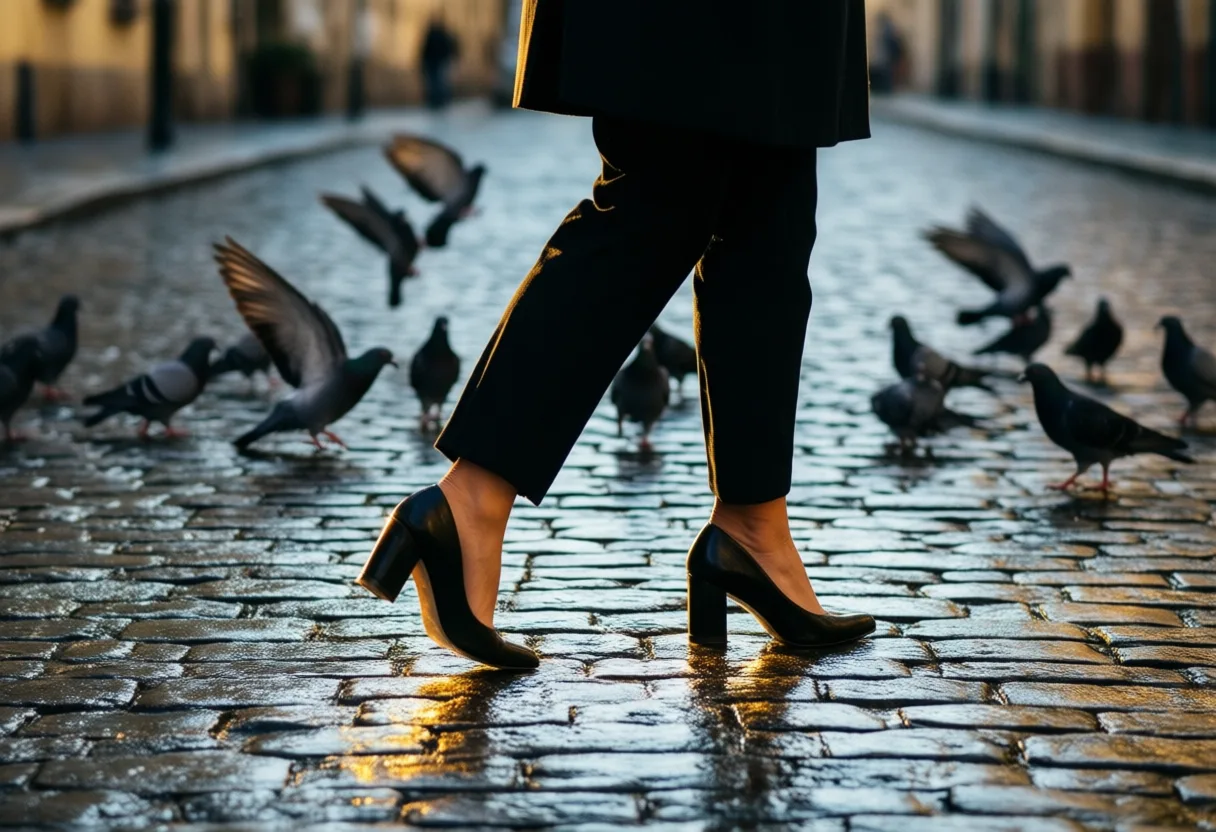
They zip through airport terminals. They bounce on city sidewalks. They survive packed train commutes and sudden downpours. Not because they’re flashy. But because they work-without fail.
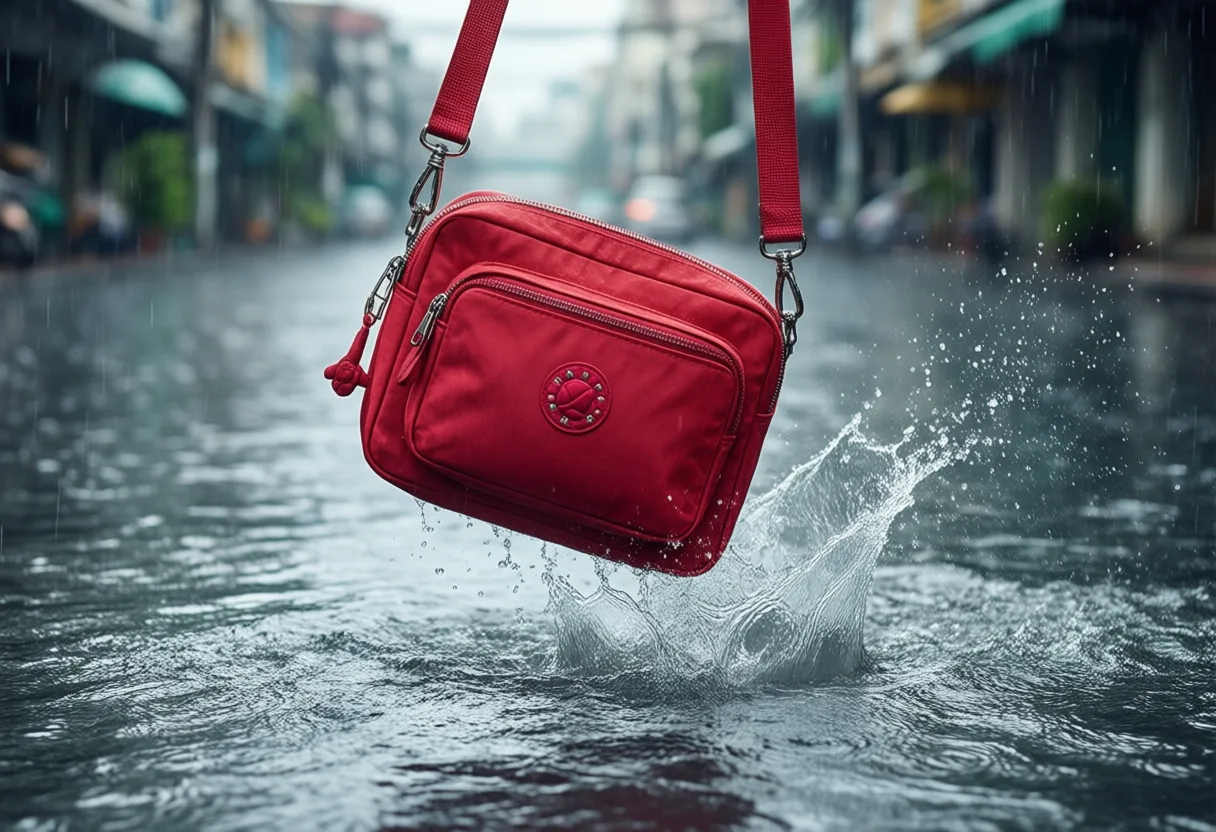
A decade ago, I watched a woman in Bangkok wrestle a shredded tote through monsoon rains. Last week, I saw another stride past with a bright red Kipling crossbody, dry and intact after a sudden storm. The difference? Design that refuses to quit.
Why Do So Many Keep Coming Back to Kipling Bags?
Durability meets delight. That’s the quiet truth behind the steady hum of loyalty. These aren’t Bags That scream for attention-they earn it, day after day.
They return to the same styles, again and again. The best sellers stay in rotation not by accident, but by trust. Backpacks, crossbodies, totes-each built for motion, not display.
One traveler owns twenty. She doesn’t care about trends. She cares that her bag holds up, stays dry, and keeps her life sorted. That’s the real draw.
A Look at the Design Details That Set Kipling Apart
Color. Texture. A splash of whimsy. These aren’t afterthoughts-they’re anchors. Kipling bags don’t hide in crowds. They stand out, not with logos, but with personality.
The nylon weave is tight, resilient. It resists scrapes from cobblestones and overhead bins. And the zippers? Strong. Sturdy. They glide without snagging, even after years of use.
You notice the monkey keychain first. Then the bold hue. Then, slowly, the way everything stays in place. Design here isn’t decoration. It’s function, dressed boldly.
What Makes a Bag Both Playful and Practical?
Playful doesn’t mean fragile. Practical doesn’t mean dull. Kipling balances both with rhythm-color blocks that energize, shapes that streamline.
A bright yellow tote fits a laptop, a book, and a water bottle. A compact crossbody holds just enough, Styled In metallic finishes or printed patterns.
- Vibrant colors boost visibility and mood
- Lightweight builds reduce strain
- Nylon fabric resists water and wear
This is where joy meets utility. Not as opposites. But as partners.
The Role of Color, Texture, and Signature Accents
Red. Teal. Silver. These aren’t background tones. They’re signals. A bag in electric blue cuts through gray subway crowds.
The texture is soft but tough. Slight sheen, no shine. It wipes clean. Resists dirt. Feels familiar after one use.
And the monkey. Always the monkey. A small, dangling reminder: this bag remembers you. Not corporate. Not cold. Human.
Built to Last: Examining the Materials Behind Daily Wear
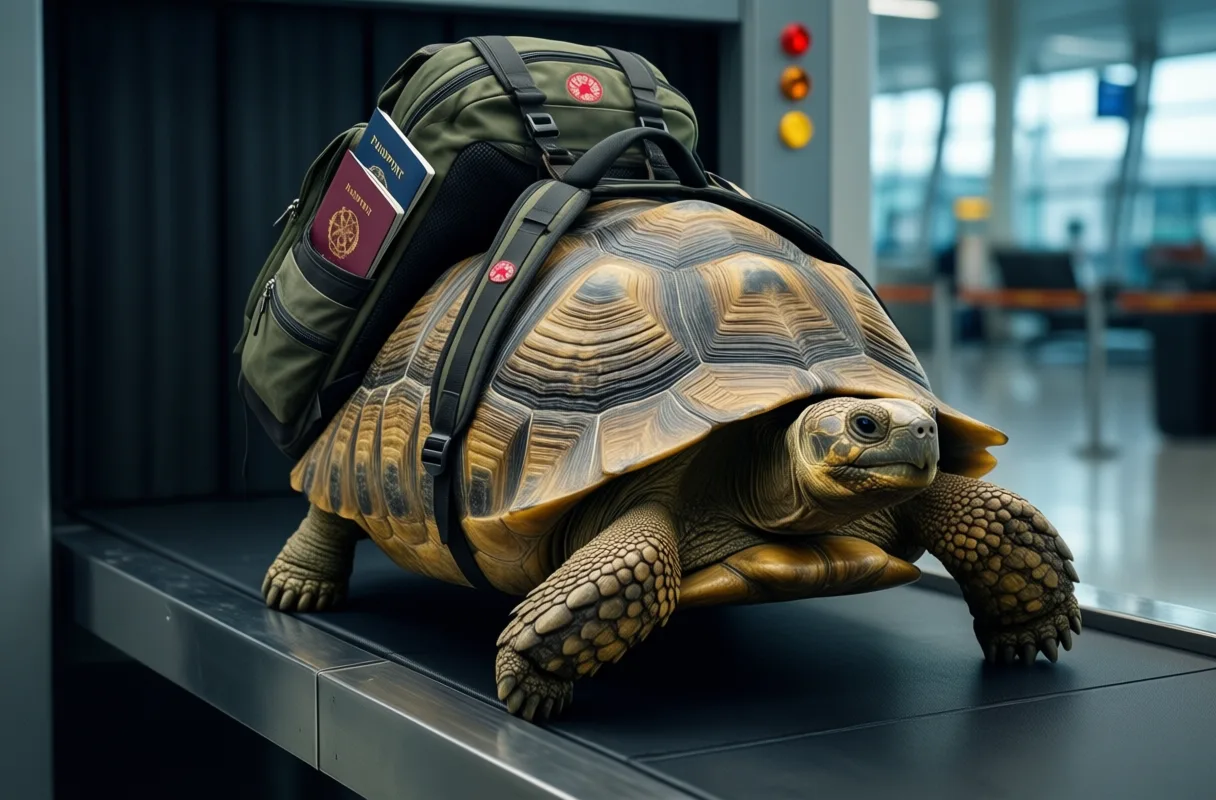
Nylon is the core. Light. Strong. Resilient. It folds, unfolds, gets shoved, pulled, dropped-and keeps going.
It doesn’t crack in cold. It doesn’t stiffen in heat. Rain beads and rolls off. Dust wipes away. No special care. No fragile lining.
This isn’t luxury fabric in the traditional sense. But it’s built for real conditions. For streets, not showrooms.
How Do Zippers and Compartments Shape User Experience?
Zippers move fast. Smooth. No catching. No breaking. That matters when you’re rushing through security or digging for a passport.
Compartments aren’t gimmicks. They’re logic. A zip pocket for coins. A sleeve for a phone. A main chamber that opens wide.
Even the smaller styles-minis, crossbodies-pack smart. Nothing feels wasted. Nothing feels tight.
Inside the Functional Layouts of Top-Selling Styles
The best sellers share a pattern: clarity. Open it. See everything. Grab what you need. Close it. Go.
Backpacks offer padded laptop slots. Crossbodies keep essentials secure and close. Totes stretch for extra finds-market buys, souvenirs, books.
Each layout answers a question: What do you carry every day? The answer is built in.
From Backpacks to Crossbodies: Which Silhouettes Stand Out Most?
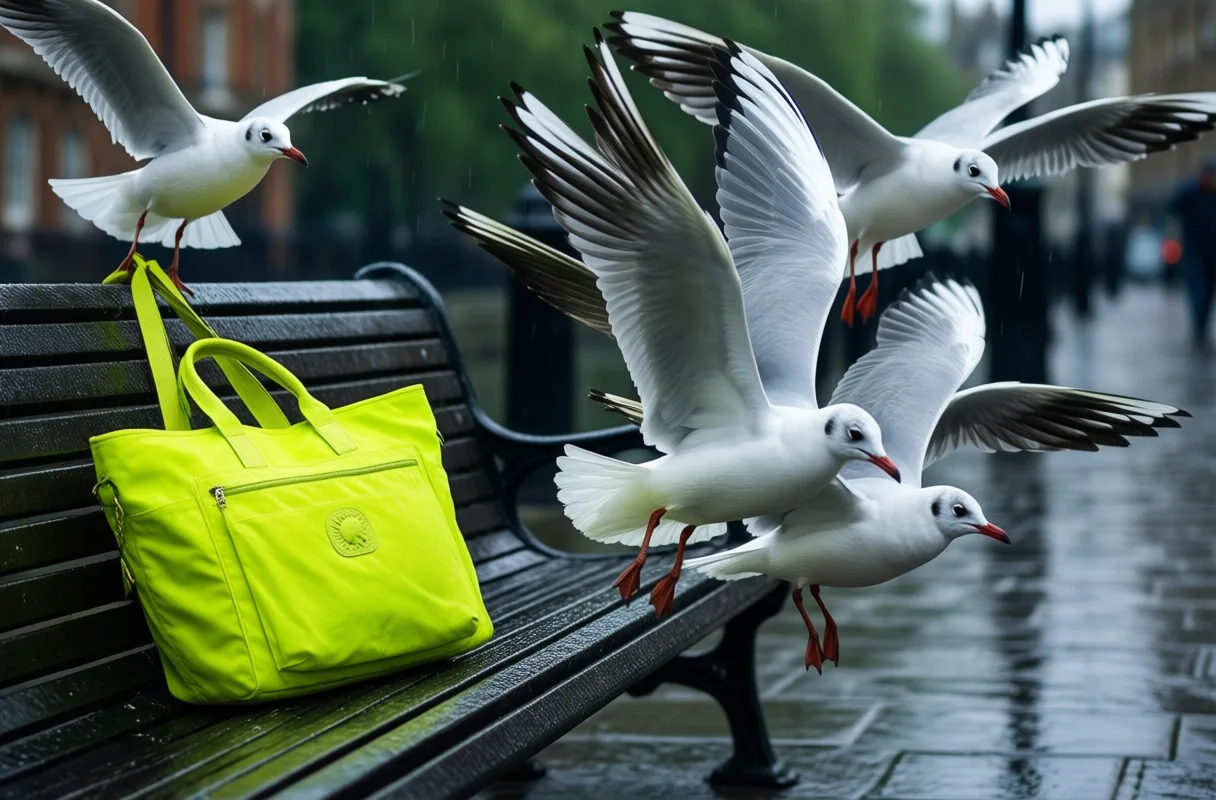
Backpacks for hands-free travel. Crossbodies for city sprints. Totes for work-to-dinner ease. Mini bags for nights out.
Each shape serves a rhythm. The traveler’s rhythm.
- Backpacks: Balanced weight, quick access
- Crossbodies: Secure, compact, always with you
- Totes: Spacious, structured, ready for anything
Style isn’t about looks alone. It’s about movement. Flow. Fit.
Exploring Versatility Across Totes, Minis, and Shoulder Bags
A tote transitions from meeting to museum. A mini bag clips on for a quick walk. A shoulder bag drapes easily over a coat.
Sizes shift, but the core stays: lightweight, durable, organized.
You don’t need five bags. You need one that adapts. Kipling builds for that shift.
Beyond Fashion: When Durability Meets Real-World Use
Rain in Lisbon. Dust in Marrakech. Crowds in Tokyo. These bags don’t just survive-they perform.
Water resistance isn’t a claim. It’s visible. A quick rinse, a wipe, back in action. No drama.
And the organization? Deep. Thoughtful. Not cluttered. Everything has a home.
Weather Resistance and Organizational Features That Deliver
Nylon sheds water. Zippers hold. Seams stay tight. It’s not waterproof like a dry bag. But it’s close.
Inside, pockets line the walls. One for tickets. One for keys. One zip-closed for cards.
You don’t fumble. You don’t panic. You just move.
Do Trends Define Kipling’s Appeal - Or Does Something Deeper?
Trends fade. Bright colors cycle. Metallic finishes come and go. But the loyalty remains.
It’s not the print of the season. It’s the zipper that still works after three years.
Popularity on QVC. Buzz in Asia in the late 90s. These moments pass. What stays is the bag that doesn’t quit.
Separating Momentary Hype from Long-Term Loyalty
The woman with twenty bags doesn’t collect them. She Uses Them. Rotates them. Depends on them.
That’s not hype. That’s habit. Born from trust.
No one carries a bag for years because it’s trendy. They carry it because it works-without thought.
What Can Repeat Buyers Tell Us About True Bag Value?
Value isn’t just price. It’s use. Longevity. Peace of mind.
One bag. Thousands of steps. No breakdown. No backup plan needed.
Repeat buyers aren’t chasing discounts. They’re chasing reliability. And they find it.
Balancing Aesthetic Joy with Everyday Reliability
You smile when you see it. You trust it when you need it. That balance is rare.
A bold color lifts your mood. A secure pocket calms your nerves.
This is where design wins-not in photos, but in motion.
The Quiet Strength of a Bag You Don’t Think Twice About
The best gear disappears into your routine. You don’t praise it daily. You just use it.
No second-guessing. No backup tote in the closet. Just grab and go.
That’s the mark of something built right.
Final Thoughts on Trust, Wear, and Timeless Utility
Bags break. Zippers fail. Designs disappoint.
Kipling survives because it doesn’t promise luxury-it delivers utility with spirit.
It’s not about being seen. It’s about being ready. For rain. For travel. For life.
And that’s why they keep coming back.
| Bag Style | Key Features | Ideal For |
|---|---|---|
| Crossbody Bags | Compact, secure, with smooth zippers | City sprints, quick trips |
| Totes | Spacious, structured, water-resistant | Work to dinner, market runs |
| Backpacks | Padded laptop slots, balanced weight | Hands-free travel, commuting |
| Mini Bags | Lightweight, stylish, smart storage | Nights out, short walks |
| Shoulder Bags | Drapes easily, organized pockets | Everyday use, all-day comfort |
Why Everyone Keeps Coming Back to Kipling
More Than Just a Monkey Mascot
You’ve probably spotted that little monkey keychain dangling from a bag-it’s Kipling’s signature touch, but there’s way more to love than just the cute add-on. People adore these bags for their bright colors, fun prints, and that instantly recognizable playful vibe. But don’t let the whimsy fool you-these bags pack serious practicality. They’re made with lightweight, ripstop nylon that shrugs off rain and daily wear like a pro, and their zippers are known for being strong and smooth, making them a go-to for folks who want style And Substance.
A Cult Following You Didn’t See Coming
It’s not just a passing trend-some fans are totally hooked. One longtime owner admitted to owning around 20 Kipling bags and doesn’t care what anyone says; they’re comfy, waterproof, and full of smart pockets. That kind of loyalty didn’t happen overnight. The brand built a loyal fanbase over the years, even gaining a strong following in Asia back in the late '90s. Thanks to consistent visibility-like frequent features on shopping networks-Kipling stayed in the spotlight and kept winning over new fans looking for bags that are both fun and functional.
Top Picks That Speak Volumes
If you’re wondering what styles are flying off the shelves, look no further than the bestsellers: crossbody bags, mini bags, and shiny metallic finishes are huge right now. Whether you’re into bold printed designs or classic tote shapes with compact storage, there’s a popular Kipling style for nearly every taste. Their range includes everything from roomy shoulder bags to tiny crossbodies perfect for city adventures, proving that their appeal stretches across uses and lifestyles. Explore more stories, videos, and creators on Loaded.
Frequently Asked Questions
What makes Kipling bags durable?
Kipling bags are made with lightweight, ripstop nylon that resists water, scrapes, and daily wear. The zippers are strong and smooth, designed to last through frequent use.
Why are Kipling bags considered both playful and practical?
They feature vibrant colors, fun prints, and signature accents like the monkey keychain, while also offering smart compartments, lightweight builds, and weather-resistant materials for everyday reliability.
Which Kipling bag styles are the most popular?
The top-selling styles include crossbody bags, mini bags, totes, backpacks, and shoulder bags, with metallic finishes and bold printed designs being especially popular.
What role does the monkey keychain play in Kipling’s design?
The monkey keychain is a signature accent that adds personality and serves as a small, recognizable symbol of the brand’s human-centered, joyful design approach.
This article was produced with AI assistance. How Navigate Magazine uses AI.
Tomasz covers off-the-grid destinations and adrenaline-fueled activities across remote regions, from Arctic treks to jungle expeditions. He emphasizes cultural authenticity, environmental responsibility, and the raw, unfiltered moments that define transformative journeys.