
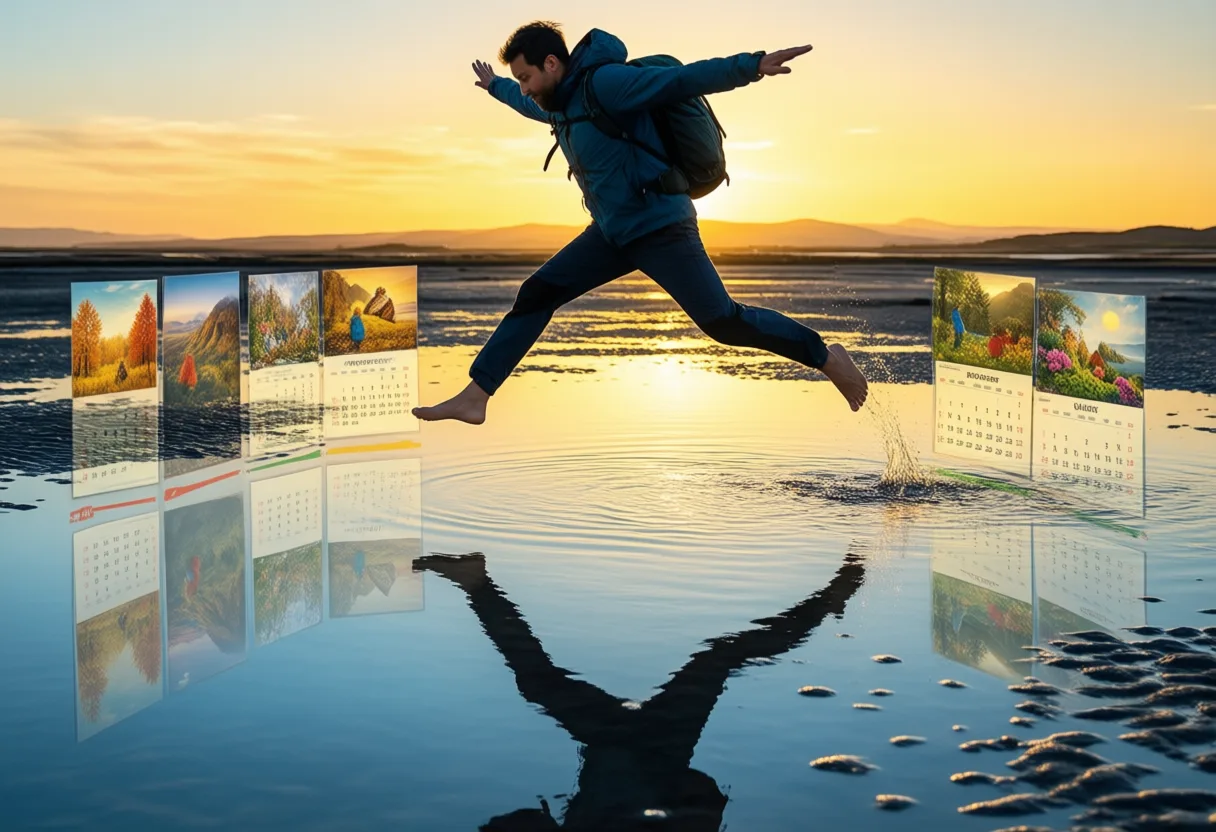
What’s the Best Time to Visit Popular Coastal Getaways?
Sunlight spills like liquid gold over Coastal cliffs, and the sea hums with a rhythm older than memory. The allure of salt-kissed breezes and horizon-stretching views draws travelers year after year to shores both familiar and distant.
The best time to Visit popular Coastal getaways often hinges on a delicate balance between weather, crowd levels, and local rhythms. Peak summer months bring vibrant energy and full calendars of events, but also higher prices and sunbaked promenades crowded with day-trippers. Shoulder seasons-late spring and early autumn-offer milder temperatures, softer light, and a more intimate experience with the coastline, when fishermen mend nets in quiet harbors and seaside cafes serve chilled white wine without a reservation.
Consider the subtle shifts in each region’s pulse. Mediterranean coasts glow in June and September, avoiding July’s furnace heat and August’s exodus of locals. Tropical islands May dazzle in winter months, escaping northern chill, yet carry a heightened risk of storms during transitional periods. When planning, let the destination’s natural cadence guide you-not just the calendar, but the way the wind moves through palm fronds at dusk.
How Do You Choose Between City Breaks and Rural Escapes?
A city thrums with possibility-the clink of espresso cups on marble counters, the sudden hush of a cathedral nave, the electric buzz beneath illuminated bridges at midnight. In contrast, rural escapes breathe slowly, measured in the creak of wooden shutters and the distant call of goats across misty hillsides.
City breaks deliver immersion in culture, cuisine, and connectivity. Museums unfold centuries in a single afternoon; street markets brim with color and spice; every corner turn offers a new tableau of human ingenuity. These destinations suit those craving stimulation, variety, and the thrill of being at the center of it all-even if only for a long weekend.
Rural escapes offer restoration through stillness. Here, time softens. You might wake to dew-laden fields, walk forest trails where birdsong drowns out thought, or dine on dishes made from ingredients harvested that morning. The choice isn’t merely logistical-it’s emotional. Ask yourself: do you seek inspiration, or renewal? Does your spirit lean toward opera or orchards, galleries or grazing sheep at dawn?
Ultimately, the decision rests on what kind of story you wish to return with-one of discovery in the crowd, or revelation in solitude.

Is It Worth Visiting Iconic Landmarks or Should You Skip the Crowds?
Some Places transcend Postcards. They appear in dreams before you’ve ever set foot there-a bridge arcing over water, a temple carved into rock, a tower piercing the clouds. Yet arriving to find them swarmed by tripods and tour groups can feel like stepping into someone else’s vacation.
Iconic landmarks exist as cultural anchors for a reason. They bear witness to history, artistry, and collective imagination. To stand beneath their arches or atop their steps is to participate in a shared human narrative. Even amid crowds, moments of awe still emerge-a shaft of light hitting stone just so, the echo of footsteps in an ancient hall, the silent understanding between strangers marveling at the same view.
But timing and mindset shape the experience. Arriving at dawn, when mist still curls around pillars and the first rays gild the façade, transforms even the most visited site into something sacred. Off-season visits, guided access, or elevated vantage points nearby can offer perspective-literally and figuratively-without sacrificing the essence of the place.
You need not reject the famous to find authenticity. Instead, approach with intention. Let reverence, not resentment, lead the way.
Hidden Gems Near Major Tourist Hubs: Are They Still Undiscovered?
Just beyond the crush of camera-toting tourists, tucked down alleys paved with centuries of footsteps or veiled behind rolling hills, lie quieter corners that whisper rather than shout. These hidden gems often arise not from secrecy, but from a traveler’s willingness to wander a little further.
Many near-forgotten villages, secluded coves, or family-run tavernas thrive in the shadow of major attractions. A fifteen-minute train ride from a bustling capital might land you in a town where doors are left unlocked and elders greet each other by name. A winding mountain road could reveal a monastery perched above the clouds, its bells tolling into silence.
Yet “undiscovered” is a fragile label. Once a secret spreads, charm can curdle into commodification. True hidden gems aren’t defined by absence of visitors, but by presence of soul. Look for places where life unfolds naturally-where the Baker knows Your coffee order by the third morning, where laundry flaps between buildings like prayer flags.
The quest isn’t to escape people, but to find harmony within a place’s true rhythm.
Can You Experience Authentic Culture Without Joining a Tour Group?
Authenticity isn’t reserved for those who travel alone or speak five languages. It blooms in gestures-a shared smile over spilled wine, a child offering a wildflower, a grandmother shaping dough in a sunlit kitchen. These moments happen whether you’re on a guided path or wandering unscripted.
Tour groups offer context and convenience, unlocking stories behind monuments and traditions. But intimacy with a culture often arises in unplanned exchanges. Sitting at a neighborhood bar, listening to locals debate politics over small plates. Walking a market at closing time, when vendors offer samples with a wink. Learning three phrases in the native tongue and using them badly, then laughing together.
Respect and curiosity are your truest guides. Seek out community festivals, independent galleries, or workshops where artisans demonstrate age-old crafts. Attend a local concert, not because it’s listed in a guidebook, but because you heard the music drifting from an open window.
Culture isn’t a performance. It’s daily life. And you don’t need a ticket to witness it-only presence.
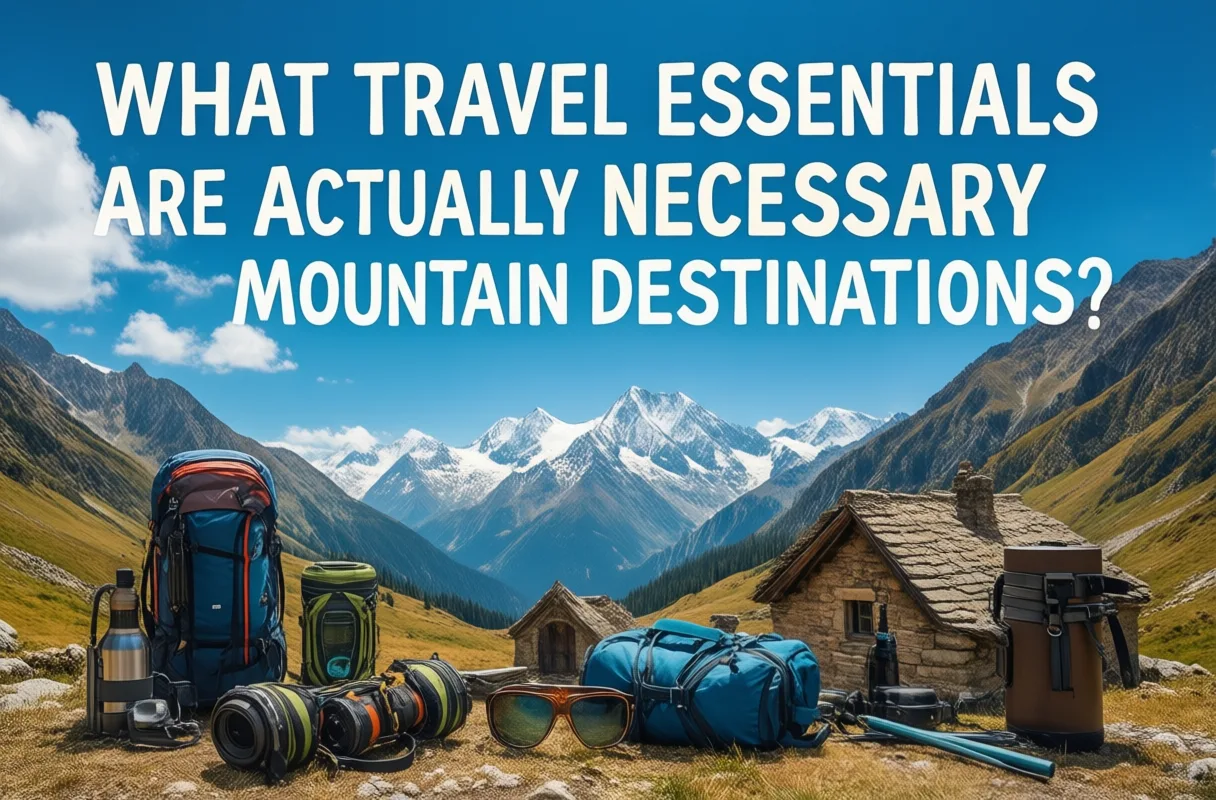
What Travel Essentials Are Actually Necessary for Mountain Destinations?
Mountains demand respect-not with fanfare, but in the shift of air as you climb, the sudden hush above the tree line, the way shadows stretch like fingers across valleys at dusk. Here, preparation isn’t luxury; it’s survival wrapped in comfort.
Layered clothing is essential. Temperatures fluctuate dramatically, even within a single day. A moisture-wicking base layer, insulating mid-layer, and waterproof outer shell form the foundation. Sturdy, broken-in hiking boots provide traction on uneven terrain, while gloves, a hat, and sunglasses protect against sun, wind, and cold.
Don’t overlook the small essentials: a refillable water bottle, high-energy snacks, a compact first-aid kit, and a reliable map or GPS device. Cell service often fades at altitude. Pack light, but pack wisely-each item should serve a purpose, from warmth to safety to morale.
Remember, the mountain does not adjust to you. You adapt to it.
How Far in Advance Should You Book International Trips?
International travel begins not with departure, but with anticipation-the slow unfurling of plans scribbled in notebooks, flights compared at midnight, maps traced with fingertips. The timing of your booking shapes not just cost, but possibility.
For peak seasons or major events-think festivals, holidays, or harvest celebrations-booking six to nine months ahead ensures availability and better rates. This is especially true for boutique lodgings, small-group tours, or regions with limited infrastructure. Waiting too long may leave you choosing between compromise and cancellation.
Shoulder seasons allow more flexibility. Three to five months in advance often suffices, giving you room to respond to personal schedules or emerging opportunities. Last-minute deals exist, but they favor the adaptable-those unattached to specific dates or destinations.
Advance planning isn’t about rigidity; it’s about creating space for magic. The right room, the perfect guide, the table by the window-these details often vanish quickly. Reserve them early, then let spontaneity fill the margins.
Balancing Budget and Experience: When Does Splurging Make Sense?
Travel is not measured solely in miles, but in moments that linger-the taste of truffle shaved tableside, the silence of a private garden at sunrise, the ease of a seamless transfer after a red-eye flight. Some expenses fade; others imprint.
Splurging makes sense when it amplifies connection, comfort, or clarity. A well-located hotel saves hours of transit, gifting you extra mornings to linger over coffee. A guided hike with a local naturalist transforms a trail into a living story. A fine meal in a family-owned villa becomes a memory stitched with laughter and wine.
Budget wisely elsewhere. Cook one meal a day. Take public transit when safe and efficient. Choose free walking tours over costly bus circuits. Allocate funds like brushstrokes-where color matters most, paint boldly.
Luxury isn’t excess. It’s intentionality. Spend where it deepens your bond with a place.

Navigating Language Barriers in Non-English-Speaking Regions
Language is more than words. It lives in pauses, in hand gestures, in the tilt of a head. In non-English-speaking regions, communication often becomes a dance-sometimes clumsy, often beautiful.
Begin with humility. Learn basic greetings: Hello, Thank you, Excuse me. Even mispronounced, they signal respect. Carry a phrasebook or translation app, but don’t hide behind it. Look people in the eye. Smile. Use simple sentences and open palms.
Many travelers fear misunderstanding, but some of the warmest exchanges occur without a shared tongue. A shared bench, a pointed finger at a menu, a nod toward the sky when asking about weather-these become a silent language of their own.
Patience is fluency. Let go of perfection. Embrace the stumble, the laugh, the moment when meaning finds a way.
Should You Rent a Car or Rely on Public Transit Abroad?
Wheels offer freedom-the open road curling like a ribbon over hills, the ability to stop where no tour bus dares. Yet in many cities, a car becomes a burden: parking nightmares, narrow streets, emissions zones.
Public transit connects you to the rhythm of daily life. Trains glide between vineyards and villages; trams rattle past shuttered apartments and flower stalls; subways pulse with commuters moving in practiced sync. It’s often faster, cheaper, and more sustainable-especially in well-connected regions.
In rural or remote areas, however, a rental car unlocks access. Think alpine hamlets, coastal drives, or national parks where buses run infrequently. Assess each destination individually. Mobility should enhance, not complicate, your journey.
Sometimes the best choice isn’t either/or-but both. Train to the region, then rent for a day.
Final Tips for Stress-Free Decisions on Your Next Journey
Travel begins in the mind, long before luggage is packed. The most elegant journeys aren’t those without hiccups, but those met with grace when plans shift.
Leave room in your itinerary. Over-scheduling invites fatigue. Allow afternoons to wander, to sit in a square with a notebook, to follow the scent of baking bread down an alley. Flexibility is the ultimate luxury.
Carry a sense of humor. Missed trains, confusing menus, locked churches-these become stories, not setbacks. Pack lightly, sleep well before departure, and trust your instincts.
Above all, remember why you travel: not to check boxes, but to feel alive in the world. Let each decision serve that truth.
| Destination Type | Best For | Key Tips |
|---|---|---|
| Coastal Getaways | Weather and crowd balance | Visit in shoulder seasons for quieter experiences |
| Cities | Culture and connectivity | Ideal for those seeking stimulation and variety |
| Rural Areas | Restoration and solitude | Best for travelers wanting peace and nature |
| Mountains | Adventure and views | Pack layered clothing and essential gear |
| Non-English-Speaking Regions | Cultural immersion | Learn basic phrases and use gestures |
Curious About Where to Go? Let’s Spill Some Fun Facts
Why Some Places Feel Like They’re Calling Your Name
Ever wonder why certain destinations pop into your head when you think of a dream vacation? It’s not just ads or social media-sometimes it’s pure geography. Did you know that over 70% of travelers pick beach spots simply because they crave the sound of waves? There’s something about the rhythm of the ocean that calms the brain, making coastal towns like Santorini or Bali feel like instant mood boosters. And speaking of islands, there are more than 180,000 islands in the world-only a fraction are inhabited, meaning there’s still plenty of untouched paradise out there waiting for you to discover.
Hidden Quirks That Make Places Memorable
Some destinations have rules you’d never guess. In Bhutan, the government measures happiness instead of just GDP, and tourists pay a daily fee that goes toward preserving culture and nature. Meanwhile, in Italy, tossing spaghetti on the wall to see if it’s done isn’t just a meme-it’s a real (if unreliable) trick some locals still use. And if you’re into quirky travel milestones, here’s one: the town of Whoville in Kentucky was officially named after Dr. Seuss’s fictional village, thanks to a 1950s postmaster who was a fan. It’s proof that sometimes, real life is stranger-and more charming-than fiction. Explore more stories, videos, and creators on Loaded.
Frequently Asked Questions
What is the best time to visit popular coastal getaways?
The best time is often during shoulder seasons like late spring and early autumn, when temperatures are milder and crowds are smaller. Mediterranean coasts are ideal in June and September, while tropical islands may be best in winter months.
Should you visit iconic landmarks or skip the crowds?
Iconic landmarks are worth visiting for their cultural significance and moments of awe. Timing your visit for dawn, off-season, or using elevated vantage points can enhance the experience despite crowds.
Can you experience authentic culture without joining a tour group?
Yes, authentic culture can be found through unplanned exchanges like chatting with locals, attending community events, or visiting independent galleries. Respect and curiosity matter more than formal tours.
What travel essentials are necessary for mountain destinations?
Essential items include layered clothing, sturdy hiking boots, gloves, a hat, sunglasses, a water bottle, snacks, a first-aid kit, and a map or GPS. Cell service is often unavailable at higher altitudes.
This article was produced with AI assistance. How Navigate Magazine uses AI.
Elara explores high-end resorts and boutique accommodations, focusing on immersive guest experiences and sustainable opulence. She seeks out properties where design, service, and local culture converge to create meaningful stays that go beyond comfort into storytelling.