

There is a quiet magic in the way certain words can conjure entire continents-how a single sentence, carved into memory like a Trail through Ancient forest, can summon the scent of salt on Maldivian air or the hush of snow settling on a Kyoto temple roof. We carry these phrases not in luggage, but in longing, letting them guide us toward horizons we’ve only dreamed of.
They are more than decoration; they are compasses. And when chosen with care, Travel places Quotes Become talismans, whispering permission to step beyond routine and into the luminous unknown.
Why We’re Drawn to Words That Wander
Language has always mapped what maps cannot. Before GPS, before postcards, there were proverbs passed around campfires, directions etched into poetry, warnings wrapped in metaphor. A well-worn phrase carries generations of footsteps within it, echoing the collective ache for discovery.
We return to certain sayings not because they are clever, but because they feel true in the body-the tightening in the chest when boarding a long-haul flight, the stillness that comes at dawn above an empty canyon. These lines name emotions we struggle to articulate: the bittersweet tug of departure, the humility of standing small beneath vast skies.
They also offer rhythm. In a world of constant motion, a resonant quote becomes an anchor-a moment of pause between check-ins and connections. Whether whispered under Breath Or saved in a journal, such words help us remember why we left home in the first place.
What Makes a Quote Stick to a Destination
A lasting quote does more than describe-it Translates. It captures not just the look of a place, but its soul: the way light slants across Santorini’s caldera at dusk, how silence pools in a Norwegian fjord at midnight, the sudden warmth of laughter shared in a Marrakech courtyard where no common language exists but kindness.
Resonance matters more than origin. The most powerful travel quotes often feel timeless because they speak to universal human impulses-curiosity, wonder, the need to belong somewhere, even if only briefly. They do not glorify escape, but rather illuminate presence.
Consider how some phrases embed themselves in our imagination long before we arrive: - “Take only memories, leave only footprints” evokes untouched dunes and alpine meadows. - “The world is a book…” invites us to turn pages with our feet. - “Two roads diverged…” makes every choice on a hiking trail feel fateful.
These aren’t slogans. They are invitations written in emotional braille, guiding hands toward experiences that change us.
“Not all who wander are lost” – A Trailblazer’s Mantra
This line lingers not for its mystery, but for its reassurance. In a culture obsessed with productivity and linear progress, wandering is often mistaken for idleness. Yet those who move without fixed itineraries know a different truth-that sometimes, the clearest path forward is the one without markers.
To wander is not to drift, but to listen. It means allowing a city’s rhythm to shape your pace, following the scent of cardamom bread down a cobblestone alley, pausing where sunlight Fractures through Stained glass. There is intelligence in aimlessness when it opens space for serendipity.
Luxury, in this sense, isn’t found in five-star sheets-but in time. The freedom to linger over espresso in Lisbon as morning unfolds, to board a ferry with no return ticket, to let a conversation with a stranger reroute your plans entirely. This quote honors that rarest of privileges: The right to explore without agenda.
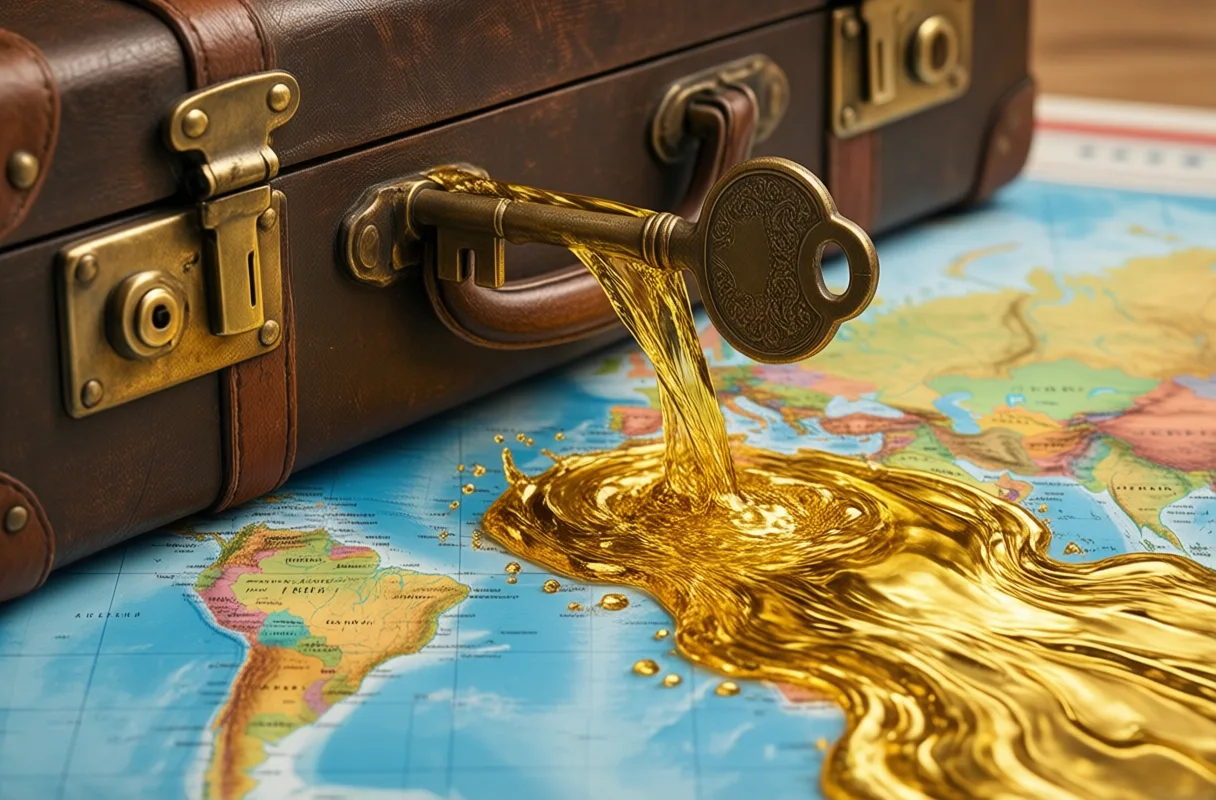
“Take only memories, leave only footprints” – The Ethical Traveler’s Pledge
Beneath its gentle cadence lies a profound responsibility. Every footprint compacts soil, shifts ecosystems, alters landscapes. And every memory taken-of coral reefs, of mountain trails, of village festivals-carries the weight of preservation.
This sentiment speaks directly to the modern traveler’s dilemma: how to witness beauty without consuming it. The most exquisite destinations are often the most fragile-the turquoise lagoons vulnerable to sunscreen runoff, the high-altitude temples strained by overtourism.
True luxury now means restraint. It means choosing accommodations powered by solar energy, hiring local guides whose knowledge runs deep, refusing souvenirs carved from endangered wood. It means photographing a nesting turtle instead of approaching it, knowing Some moments are sacred because they remain undisturbed.
Travel done well leaves no trace but gratitude-and perhaps, in time, helps ensure others may stand where you stood, awestruck beneath the same stars.
“The world is a book, and those who do not travel read only one page” – The Scholar’s Invitation
Imagine a library stretching beyond sight, volumes bound in monsoon mist, desert wind, glacial ice. Each country, each culture, each dialect is a chapter waiting to be read-not scanned, but absorbed, felt in the pulse.
This metaphor endures because it frames travel as education of the highest order. No lecture hall teaches resilience like navigating a night market in Hanoi with no shared language. No textbook conveys history like running fingers over Roman stone in Split, feeling centuries press back.
To read widely is to grow wise. And just as rereading a novel reveals new meanings, returning to a place years later uncovers layers invisible the first time-the way Lisbon feels different after loss, or how Kyoto seems to breathe with you when you’re finally still enough to listen.
The well-read life is not measured in miles, but in depth. In the quiet understanding that comes from sitting with elders in a Namibian village, sharing tea without translation, realizing fluency exists beyond words.
“Jobs fill your pocket, but adventures fill your soul” – The Modern Pilgrim’s Choice
We work to live, yet often forget what living demands. Paychecks accumulate, promotions rise, calendars fill-but something essential remains hollow until we trade conference rooms for coastlines, emails for evening chants drifting from distant minarets.
This quote strikes so deeply because it names a quiet betrayal: the slow erosion of wonder beneath spreadsheets and screens. The soul, unlike a bank account, cannot be quantified-but it can starve.
Luxury escapes today are less about opulence than reclamation. A week in a silent retreat in the Swiss Alps, a solo trek along Portugal’s Rota Vicentina, a private boat gliding through Myanmar’s Inle Lake at sunrise-these are not indulgences. They are acts of restoration.
Adventure need not mean risk; it means engagement. It is the difference between watching waves crash from behind glass and standing barefoot on black sand, salt spray on your lips, heart syncing with the tide.
“Two roads diverged in a wood, and I-I took the one less traveled by” – The Path of Intention
Choice defines journey as much as distance. One path leads to familiar comforts, the other into uncertainty-moss-slick steps into fog, a train ticket to a town you can’t pronounce, a meal ordered blindly from a menu with no pictures.
Robert Frost’s verse endures not for advocating rebellion, but for honoring deliberation. Taking the less-traveled road is not about being different-it’s about being deliberate. It means rejecting curated itineraries when instinct pulls elsewhere, trusting a hunch over a trending hashtag.
Some of the most transformative moments happen off-grid: a chance invitation to a family dinner in Chefchaouen, a wrong turn leading to a hidden waterfall in Costa Rica, a homestay in Bhutan where prayer flags flutter above your window like whispered blessings.
These choices cost nothing but courage. And they yield returns no currency can measure-the kind of memories that surface years later, unbidden, during ordinary moments, reminding you how alive you once felt.
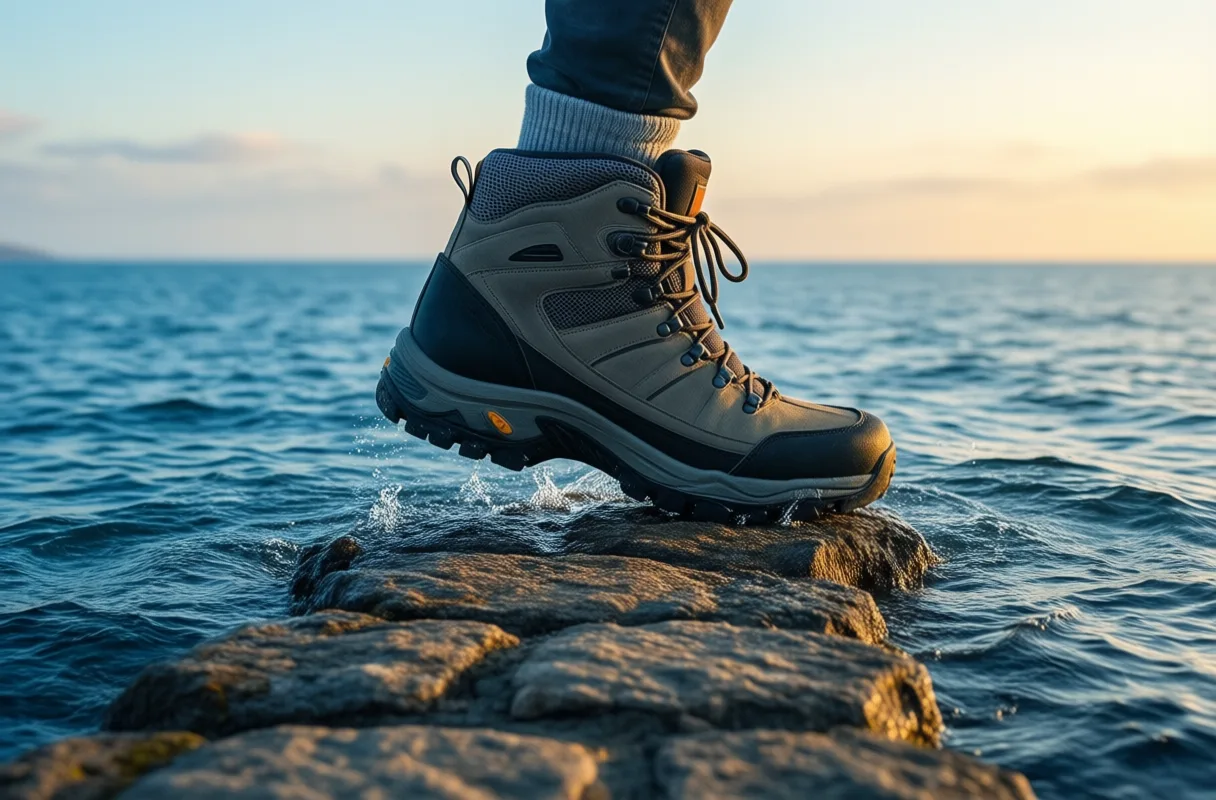
“A journey of a thousand miles begins with a single step” – The First Move Forward
No expedition, no matter how grand, avoids this humble beginning. The Everest climber starts with tying boots. The sailor crossing oceans first unties dock lines. The traveler dreaming of Kyoto must first click “book.”
This truth is both comforting and challenging. It reminds us that momentum builds quietly-through research, reservations, packing lists, airport shuttles. The sublime often emerges from the mundane.
Yet hesitation lingers. Fear of the unknown, guilt over leaving responsibilities, anxiety about cost or comfort-all conspire to keep us still. But motion, once begun, reshapes perception. The first mile contains more transformation than all the planning that preceded it.
So take the step. Book the flight. Send the inquiry. Let the suitcase sit open like an invitation. Because Every legendary journey was once just a thought, then a decision, then movement-one foot placed deliberately in front of the other.
“I haven’t been everywhere, but it’s on my list” – The Optimist’s Confession
There is grace in admitting incompleteness. This line doesn’t mourn absence-it celebrates possibility. It turns limitation into anticipation, mapping desire not as lack, but as future joy.
Every seasoned traveler knows the list never ends. Just as you savor the last bite of Sicilian cannoli, another destination flickers to life-an article, a friend’s story, a film set in Patagonia-and suddenly, the list grows.
And that is as it should be. The magic isn’t in completion, but in curiosity. In keeping the mind soft enough to wonder, the heart open enough to want. The list is not a task; it is a love letter to the world in all its variety.
One day you’ll stand where you’ve only imagined. Until then, let the list remain-dog-eared, scribbled upon, glowing faintly in the dark like a constellation of dreams.
“To travel is to live” – The Heartbeat of Motion
Stillness has its virtues, but life thrums in movement. In the jet’s ascent, the train’s sway, the slow turn of a bicycle pedal uphill through lavender fields. When we move through the world, the world moves through us.
This simple declaration cuts to the core: travel is not a break from life, but immersion in it. The fatigue of long walks, the thrill of new alphabets, the disorientation of waking up unsure which continent holds you-these are not inconveniences. They are signs of aliveness.
Luxury, here, is not defined by thread count or champagne flutes, but by Presence. By being fully awake as dawn breaks over Angkor Wat, or as a flamenco guitarist plays in a Seville alley too narrow for crowds. By feeling, without distraction, the weight of a wool blanket on a Shetland isle as rain taps the window.
To travel is to consent to change. To return home subtly altered-by a smile exchanged, a landscape witnessed, a silence shared. Not because you collected sights, but because you allowed yourself to be touched by them.
“Stop worrying about the potholes in the road and enjoy the journey” – The Mindful Explorer’s Lens
Perfection is the enemy of experience. Delays, detours, miscommunications-these are not failures of travel, but its texture. The missed connection that leads to an unexpected night in Bratislava. The rainstorm that forces you into a Viennese café where a pianist begins to play.
This wisdom reframes disruption as dialogue. The pothole isn’t an obstacle; it’s a reminder to slow down, to notice the wildflowers pushing through cracked pavement, the old man feeding pigeons on a bench you’d have otherwise rushed past.
Mindfulness in travel means releasing control. It means laughing when your rental car stalls in Tuscany, accepting help from strangers, finding beauty in the unplanned. It means photographing the muddy boot, not just the vista.
Because the polished postcard rarely tells the true story. The real journey lives in the mess, the muddle, the moments you didn’t see coming-and wouldn’t trade for anything.

“We travel not to escape life, but for life not to escape us” – The Presence Principle
This is the quiet revolution at the heart of modern luxury travel. We are not fleeing burnout, though rest matters. We are not chasing novelty, though wonder sustains. We are reaching for something deeper: A life fully felt.
In the rush of daily existence, moments blur. Days fold into weeks, seasons pass unnoticed. Travel interrupts that blur. It sharpens focus. Suddenly, taste is brighter, sounds clearer, colors more vivid.
Standing at the edge of the Grand Canyon, walking through a lantern-lit alley in Luang Prabang, hearing Gregorian chant echo through a Spanish monastery-these are not diversions. They are awakenings. They pull us back into our senses, into our bodies, into the fleeting miracle of being here.
So we go not to hide, but to wake up. To ensure that when we look back, we see not just places visited, but moments lived-rich, raw, irreplaceable.
Beyond the Postcard: Quotes That Challenge the Romantic
Not all wisdom is warm. Some truths unsettle. Consider how easily “wander” becomes privilege, how “footprints” ignore the carbon cost of flights, how “soul-filling adventures” presume disposable income and open borders.
The most honest travel reflects complexity. It acknowledges that beauty coexists with burden-that a Bali beachfront villa may overlook homes without clean water, that a safari lodge operates amid communities with limited access to healthcare.
Quotes can romanticize, but they can also provoke. They remind us that Awareness is part of arrival. To love a place is not to idealize it, but to see it whole-the splendor and the struggle, the joy and the injustice.
Let the words challenge as much as they charm. Let them ask: Who benefits from this journey? Who bears its cost? How can awe translate into action?
How to Use Travel Quotes Without Cliché
Repetition dulls even the sharpest insight. A quote becomes cliché not because it’s false, but because it’s worn thin-printed on tote bags, scrolled past on screens, stripped of meaning by overuse.
To revive their power, treat them like heirlooms-rare, handled with care. Write them in journals by hand. Speak them aloud at the start of a trip. Choose one per journey, letting it unfold slowly, revealing new layers as days pass.
Better yet, let them inspire original reflection. Instead of quoting Frost, write your own line about the forked path you faced in the Atlas Mountains. Instead of repeating Saint-Exupéry, describe how the Sahara made you feel small in the best possible way.
Authenticity outlasts aphorism. Your story, told truly, will resonate longer than any borrowed line.
Where the Words Lead You Next
The best quotes don’t point to places-they point to selves. The version of you who watches sunrise over Bagan’s temples, who learns to weave in Oaxaca, who sits silently beside a Mongolian herder under endless stars.
They invite not just movement, but metamorphosis. To travel is to court becoming. Each journey chips away at old assumptions, revealing someone more curious, more compassionate, more awake.
So let the words guide you, but not confine you. Let them stir, not settle. And when you return, suitcase heavier with stories, heart lighter with clarity, know this: the next quote is already forming-in the quiet after landing, in the first sip of homecoming tea, in the dream that begins again.
Where will it lead you?
Where Words Meet Wanderlust
Famous Lines from Unlikely Places
You’ve probably seen “Not all who wander are lost” on a million tote bags and Instagram captions - but here’s the twist: J.R.R. Tolkien never meant it as a travel slogan. In The Fellowship of the Ring, it’s part of a riddle about Aragorn, hinting at hidden strength, not a call to backpack through Southeast Asia. Yet that line, pulled from its original context, now fuels wanderlust in ways Tolkien could never have predicted.
Quotes That Took a Wild Ride
Sometimes, a quote becomes famous for reasons the author never intended. “Take only memories, leave only footprints” is often cited as a nature-loving mantra for travelers - but its origins are hazy, with versions attributed to everyone from Native American sayings to modern conservationists. No single source owns it, which might be why it resonates so widely: it’s less about who said it and more about what we choose to believe as we explore.
The Accidental Travel Anthem
Even song lyrics get mistaken for travel quotes all the time. Lines like “Roads? Where we’re going, we don’t need roads” - from Back to the Future - aren’t about exploration in a traditional sense, but they’ve been embraced by adventurers anyway. It just goes to show how a single line, divorced from its original scene, can become a symbol for freedom, possibility, and the joy of veering off the map.
Frequently Asked Questions
What does 'not all who wander are lost' mean for travelers?
It reassures that wandering without a fixed itinerary is not idleness, but a way to listen and make space for serendipity. It honors exploration without agenda.
Why is 'take only memories, leave only footprints' important for ethical travel?
It emphasizes responsibility to preserve fragile destinations by minimizing impact. True luxury means restraint and leaving no trace but gratitude.
How does 'the world is a book' relate to travel?
It frames travel as deep education, where each place offers a chapter to be absorbed. The well-read life gains wisdom through immersive experiences.
What is the deeper meaning behind 'we travel not to escape life, but for life not to escape us'?
It suggests travel sharpens focus and awakens the senses. We journey to feel moments fully and ensure life is richly lived, not blurred by routine.
This article was produced with AI assistance. How Navigate Magazine uses AI.
Elara explores high-end resorts and boutique accommodations, focusing on immersive guest experiences and sustainable opulence. She seeks out properties where design, service, and local culture converge to create meaningful stays that go beyond comfort into storytelling.