There’s a moment just before dawn in the outback when the air turns silver and the earth feels ancient, alive-an almost imperceptible hush, as if the land itself is breathing. I once stood at the edge of a red dune in near silence, watching the first light stretch across the desert, and realized how rarely we encounter places that demand reverence simply by existing. Australia, vast and quietly profound, offers such moments in abundance, where Nature And culture are not attractions but living threads woven through the fabric of place.
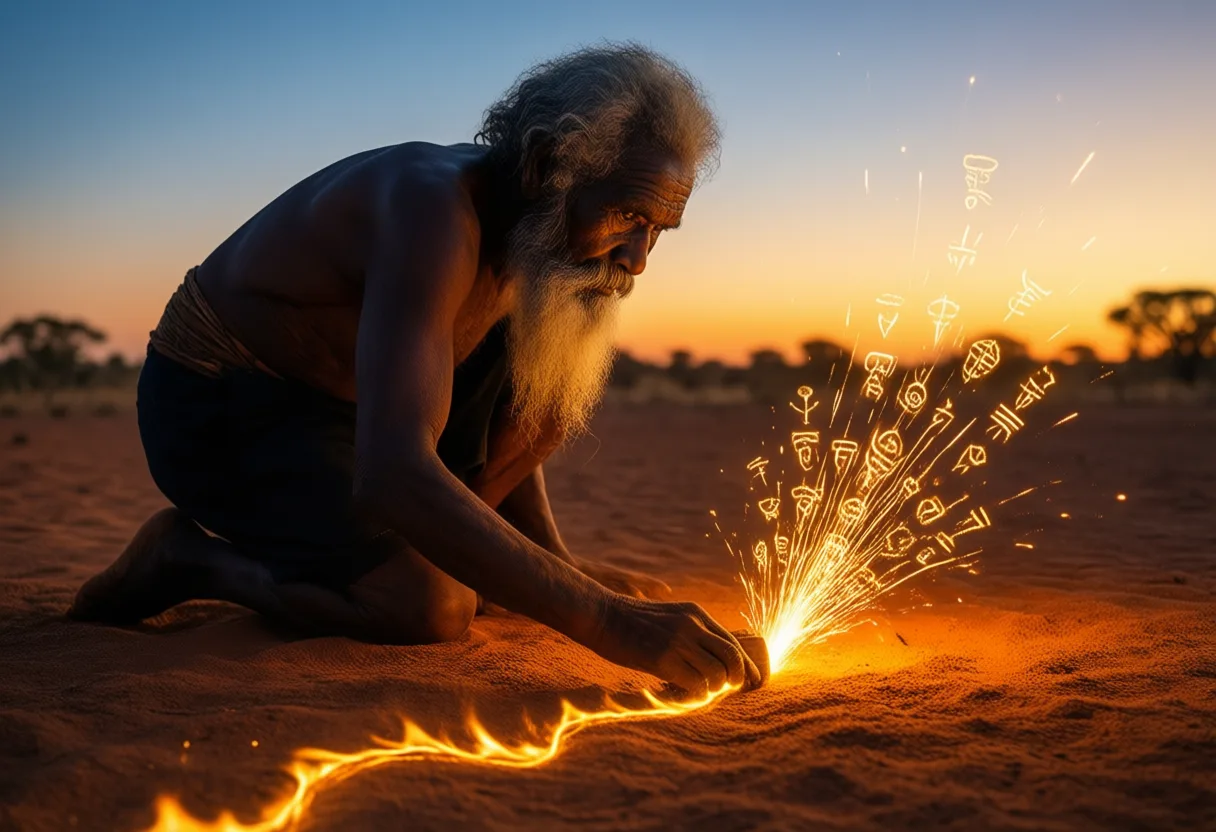
For those who travel not just to see but to feel, to understand, this continent reveals itself slowly-through ochre-stained Rock art Older than memory, through coastal walks that trace the songlines of First Nations peoples, through the subtle shift in light over eucalyptus forests after rain. It’s not about ticking off destinations, but about allowing yourself to be shaped by them.
The Soul of the Red Centre
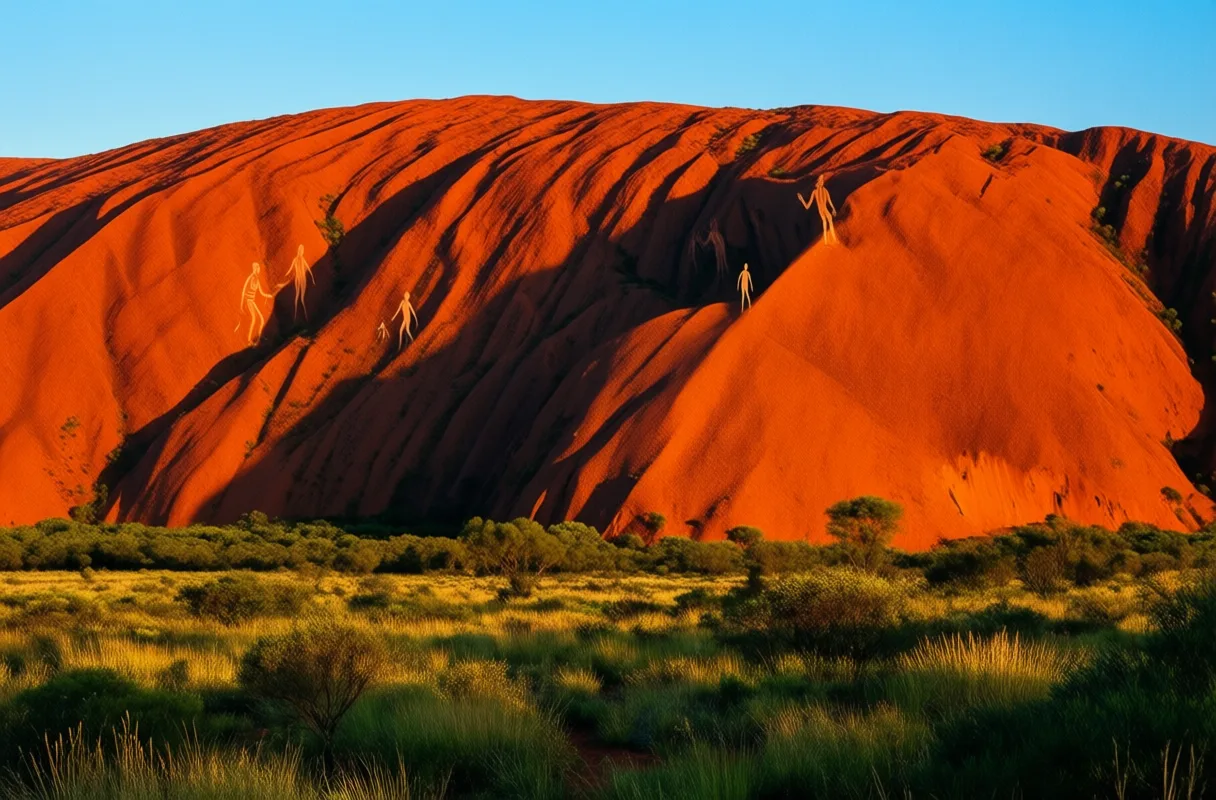
Uluru isn’t just a monolith-it’s a presence. Long before it became a symbol of Australia, it was a meeting place, a sacred site, a story-bearing rock where Anangu elders have passed down knowledge for millennia. I remember sitting with a guide whose family had lived in the region for generations. “We don’t own the land,” he said quietly. “We belong to it.” That distinction, subtle but profound, shapes every step you take here.
Walking around the base-never climbing, out of respect for cultural wishes-reveals more than geological wonder. You’ll see waterholes that shimmer after rare rains, ancient petroglyphs tucked into shaded alcoves, and the way the rock changes color as the sun arcs overhead, turning from charcoal to rust to molten gold at sunset. The surrounding desert pulses with quiet life: spinifex grass, thorny devils darting between shadows, the distant call of a pied butcherbird.
The nearby Kata Tjuta complex, with its cluster of domed formations, holds its own spiritual gravity. A Walk through The Valley of the Winds offers a sense of solitude that feels almost sacred-wind sculpting stone, time folding in on itself. At night, the sky opens wide, unpolluted by city lights, and the Milky Way spills across the heavens like a ribbon of light.
Coastal Whispers and Island Dreams
On the opposite edge of the continent, where the Indian Ocean meets limestone cliffs and turquoise bays, Western Australia’s southwest unfolds like a secret. The Margaret River region is known for its wines, yes, but more so for the way the land holds you-dense forests giving way to surf-lashed shores, caves dripping with millennia of mineral deposits.
Walking the Cape to Cape Track, a coastal trail stretching over 130 kilometers, I found myself drawn not to the vistas-though they were breathtaking-but to the small things: the scent of damp myrtle after a morning shower, the way kangaroos paused mid-graze to watch me pass, the quiet hum of bees in the wildflowers. This is a place where luxury isn’t measured in marble or chandeliers, but in privacy, in stillness, in the unbroken horizon.
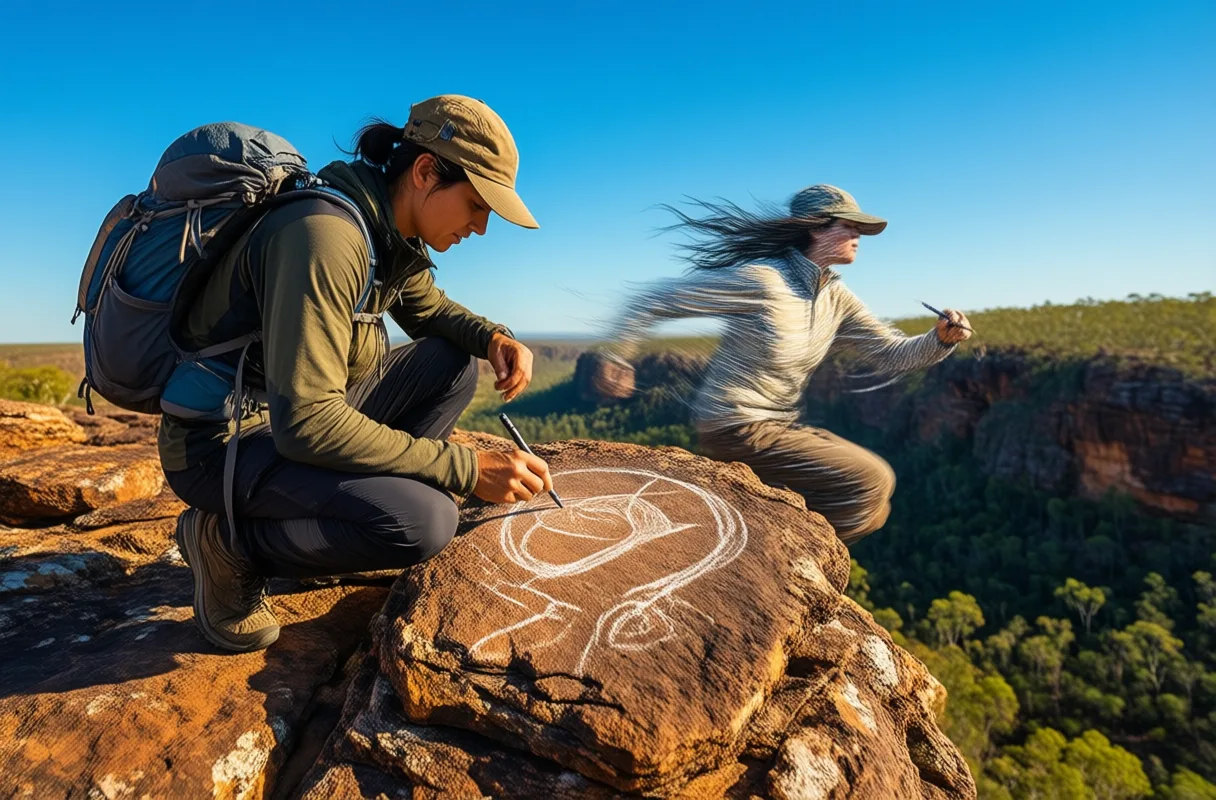
Further north, the Dampier Archipelago holds the sacred island of Burrup, home to one of the world’s largest collections of rock art. The petroglyphs here, etched into volcanic rock, depict extinct animals, ancestral beings, and celestial patterns-each a fragment of a living culture that has endured for tens of thousands of years. Visiting requires permission and sensitivity, but the experience is irreplaceable: to stand where others have stood since time began, tracing the same lines with your eyes.
The Living Culture of the North
In the tropical north, where monsoon forests drip with vines and the air hums with cicadas, the Yolngu people of Arnhem Land maintain a cultural continuity that is rare in the modern world. Here, art is not separate from life-it’s a daily act of storytelling, law, and connection. I once attended a ceremony where dancers moved in slow, deliberate patterns, their bodies painted with ochre and ash, each gesture carrying meaning passed Down through Countless generations.
Visiting requires invitation and respect, but when granted, it offers a rare intimacy. You might watch elders weave dilly bags from pandanus, or learn the names of birds in a language that predates English by millennia. The landscape here is lush and teeming-mangroves thick with mud crabs, paperbark swamps echoing with frog calls, rivers where saltwater crocodiles glide beneath the surface like shadows.
Cultural tourism, when done right, is a two-way exchange. It’s not about performance for outsiders, but about sharing on their terms. The most meaningful moments I’ve had in Australia haven’t been at famous landmarks, but in quiet conversations-over a shared meal, during a slow boat ride, while listening to a song that sounds like wind through reeds.
Cities With Depth
Sydney is often reduced to its harbor and bridge, but look deeper and you’ll find layers. The Royal Botanic Garden, nestled beside the Opera House, holds native plants used for thousands of years by the Gadigal people. At dawn, when tourists are still asleep, I’ve walked paths where elders once gathered for corroborees, the city’s pulse muted by the rustle of casuarina needles.
Melbourne, too, reveals itself in fragments: a laneway mural honoring Indigenous leaders, a Wurundjeri welcome ceremony before a concert at Federation Square, the quiet reverence of the Koorie Heritage Trust in the heart of the city. These aren’t add-ons-they’re reassertions of presence, reminders that culture is not frozen in the past but evolving, resilient.
And in Perth, the Noongar people’s connection to the Swan River remains strong. You can walk the Bilya Walk Trail and hear stories of creation beings who shaped the waterways, or join a guided tour that teaches bush tucker identification-warrigal greens, native mint, the tart fruit of the quandong.
A Journey of Respect and Return
Australia doesn’t give up its secrets easily. It asks for patience, for humility, for listening more than speaking. The most rewarding travels here are not those that cover the most ground, but those that allow space for stillness-for watching a lizard dart across a sun-warmed rock, for sitting in silence with someone who knows the land like a relative.
Luxury, in this context, isn’t about five-star suites or private jets-though they exist. It’s about access to places that matter, and the privilege of experiencing them with care. It’s in the hush of a desert night, the weight of a didgeridoo’s drone, the taste of lemon myrtle in your tea after a long walk.
To travel well here is to leave room for wonder, and to return changed-not just by what you’ve seen, but by what you’ve learned to feel.
Discover Australia’s Wild Wonders and Living Culture
The Singing Sand Dunes of a Desert Island
Picture a beach where the sand sings. On the southern end of Fraser Island, one of the world’s largest sand islands, certain dunes emit a low rumbling sound when the wind shifts the grains-locals call it “singing sands.” This rare acoustic phenomenon happens when dry, fine sand avalanches down a steep slope, creating vibrations. The island itself is home to rainforests growing right on sand, freshwater lakes like Lake McKenzie with water so clear it looks painted, and dingoes that have lived here in isolation for thousands of years. Walking through these forests, you might spot claw marks on trees where bears once climbed-wait, bears? No, of course not-Australia’s wildlife is full of surprises, but bears have never roamed here. Instead, those marks come from long-gone marsupial lions or tree-dwelling kangaroos of prehistoric times.
Uluru’s Shifting Hues and Sacred Significance
Few places transform like Uluru at sunset. By day, the massive sandstone monolith stands rust-red and stoic, but as the sun dips, it blazes into deep oranges and purples before fading into shadow. This isn’t just a pretty light show-it’s a moment deeply woven into Anangu culture, the traditional owners of the land. For them, Uluru is not a tourist attraction but a living cultural landscape shaped by ancestral beings during the Tjukurpa (Dreamtime). Climbing the rock was discouraged for decades out of respect, and in 2019, the climb was officially closed-a powerful moment in Australia’s journey toward honoring Indigenous custodianship. Visitors now learn about Tjukurpa through guided walks, discovering rock art that’s thousands of years old and hearing stories passed down for countless generations.
Where Penguins Parade After Dark
On Phillip Island, just a short drive from Melbourne, something magical happens every evening. As the sun sets over the beach, hundreds of little penguins-no taller than a schoolchild’s knee-waddle ashore after a day of fishing. These are the smallest penguin species in the world, and their nightly parade draws people from everywhere. But long before tourists arrived, the Boonwurrung people of the Bunurong Nation observed these birds as part of the coastal ecosystem. Today, boardwalks and viewing platforms let visitors watch the march without disturbing the penguins, a careful balance of Nature, culture, and conservation. It’s a reminder that even the tiniest creatures can lead the most captivating shows. Explore more stories, videos, and creators on Loaded.
Frequently Asked Questions
Why is climbing Uluru no longer allowed?
Climbing Uluru was closed in 2019 out of respect for the Anangu people, the traditional owners, who consider the site sacred and part of their living cultural landscape shaped by ancestral beings.
What causes the singing sands on Fraser Island?
The singing sands on Fraser Island produce a low rumbling sound when dry, fine sand avalanches down a steep dune slope, creating vibrations due to wind movement.
Where can you see wild penguins in Australia?
On Phillip Island near Melbourne, little penguins waddle ashore every evening after fishing, in a nightly parade visible from boardwalks and viewing platforms.
How do First Nations cultures connect to nature in Australia?
First Nations cultures connect through songlines, rock art, storytelling, and ceremonies that reflect deep spiritual relationships with land, water, animals, and ancestral beings.
This article was produced with AI assistance. How Navigate Magazine uses AI.
Saniya delves into the intersection of travel and identity, profiling local artisans, culinary traditions, and community-led tourism initiatives. Her work highlights how travel can foster connection, equity, and deeper understanding between cultures.