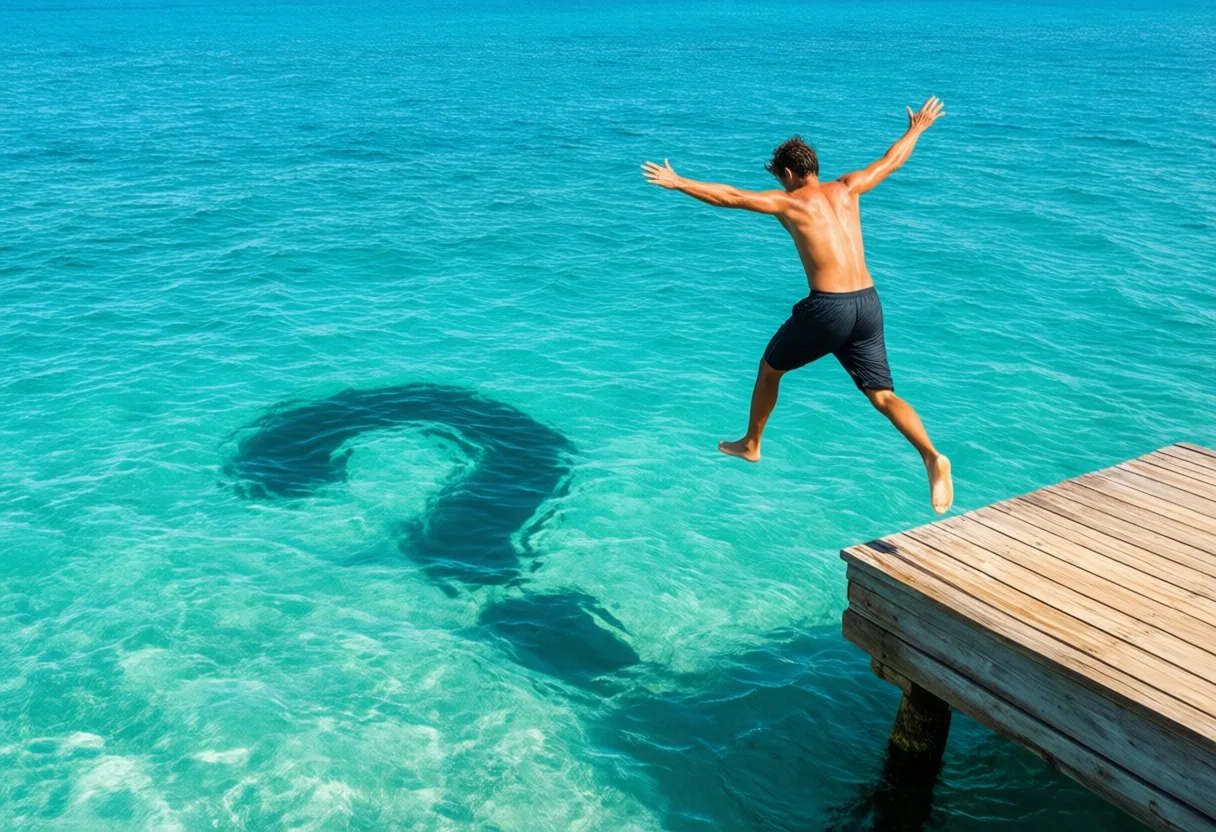

7 Coastal Towns That Define Seaside Serenity
1. Where the Reef Meets the Shoreline
The air here tastes of salt and possibility. You wake not to an alarm, but to the soft clatter of palm fronds against a stilted balcony, the Ocean Breathing just beyond the dunes. This is where the reef begins its quiet conversation with the shore-coral whispering beneath turquoise shallows, fish darting like shards of light beneath your kayak.
Few places balance Wild beauty And understated elegance like this stretch of coastline. There’s no grand promenade, no neon-lit strip-just a single seafood shack where the oysters arrive on ice, still flecked with seawater. Locals nod as you pass, not out of obligation, but recognition: you’ve come not to conquer, but to listen.
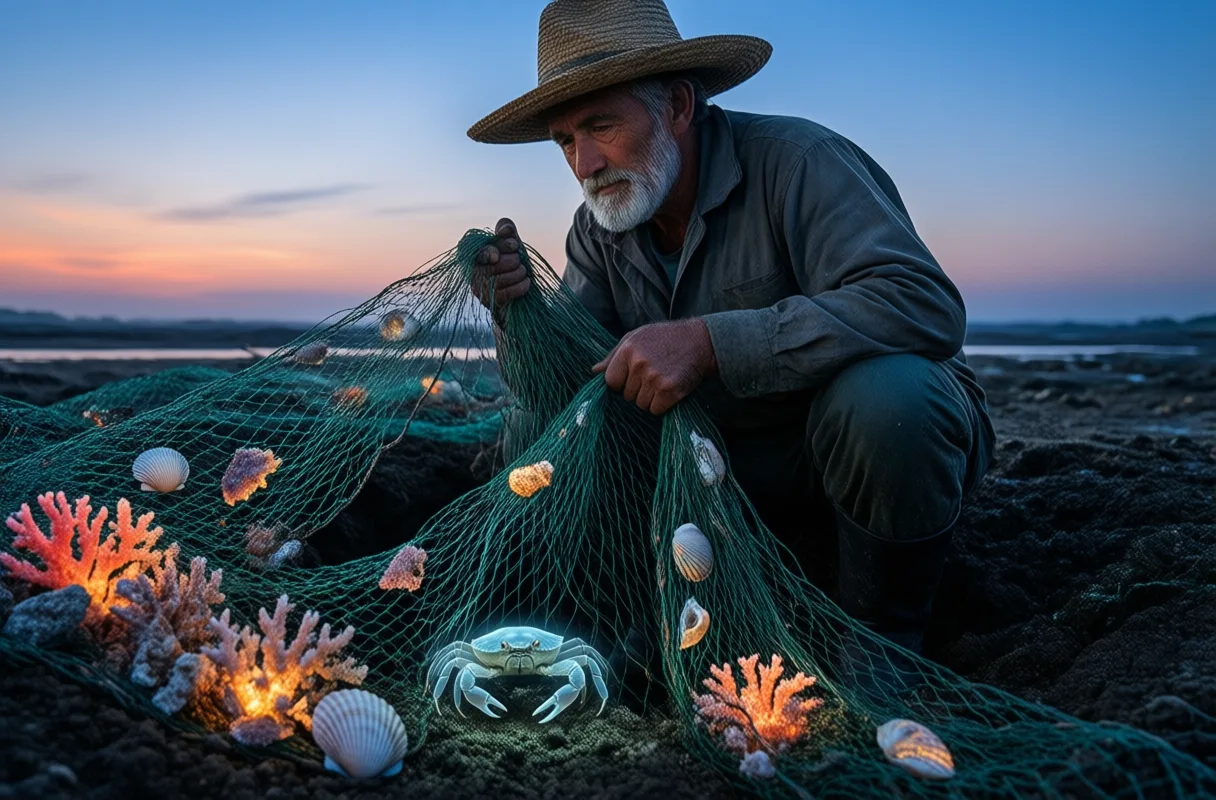
The reef isn’t just offshore-it shapes the rhythm of life here. Fishermen return at dawn with nets heavy from the outer flats. Children learn to snorkel before they can ride bikes. And at Low tide, the flats reveal themselves like a secret map, tidal pools glowing with anemones and tiny blue crabs.
- Walk the sandspit at sunrise when the water mirrors the sky
- Charter a small boat to drift over submerged coral gardens
- Dine barefoot under fairy lights strung between casuarinas
This isn’t a destination for curated experiences. It’s a place where nature still leads, and luxury is measured in stillness.
2. A Sleepy Port with a Lively Marina Pulse
The town wears its history lightly-old timber wharves now cradle sleek yachts, their sails catching the afternoon breeze like sighs. Once a working port for coastal traders, it’s softened with Time, its edges worn smooth by sea winds and slow afternoons. But don’t mistake quiet for stagnation.
The marina hums with a discreet energy. A French couple sip rosé on their sailboat after a week at sea. A chef from Brisbane unloads crates of Moreton Bay bugs, bound for a pop-up dinner on the jetty. There’s a rhythm here, one built on tides and timing, not schedules.
This is where the sea still feels like a livelihood, not just a view. You’ll find it in the fishmonger’s hands, cracked from decades of net-mending, or in the way the harbour master knows every vessel by name. The luxury isn’t in marble or chandeliers-it’s in authenticity, in a place that hasn’t dressed up for visitors.
- Book a berth and live like a temporary local for a long weekend
- Take a twilight cruise with a skipper who knows every hidden cove
- Eat at the oyster bar where the menu changes daily with the catch
I sat on the end of the pier one evening, legs dangling over the Water, watching the lights flicker on across the bay. A fisherman handed me a cold drink without a word. No transaction, no expectation. Just the quiet understanding that some moments don’t need to be sold.
3. Cliffs, Coves, and Quiet Corners Below the Headland
The road down is narrow, winding through paperbarks and scribbly gums, until suddenly-the sea explodes into view. Sheer cliffs drop to a crescent of white sand, sheltered by rock shelves that break the swell into gentle ripples. This cove doesn’t appear on most maps, and that’s by design.
Access is limited, intentional. You walk the last stretch, boots crunching on shell grit, until the wind hits you full force-clean, sharp, carrying the cry of gulls and the distant crash of waves. There are no cafes, no sunloungers, just driftwood sculptures rearranged by tides and time.
Solitude here isn’t an accident-it’s protected. The land is co-managed, its care entrusted to those who’ve known it longest. You feel it in the quiet reverence of visitors, the way voices lower as if entering a sanctuary. Even the breeze seems to hush as it moves through the headland’s crevices.
- Hike the coastal trail at first light to avoid midday heat
- Swim in the rock pool at low tide, where the water stays warm
- Bring a sketchbook-this is a place that asks to be remembered by hand
One morning, I watched an elder walk the shoreline with a walking stick carved from mangrove wood. He didn’t speak, just paused at certain rocks, touching them lightly, like checking on old friends. I didn’t follow. Some moments aren’t meant to be shared-only witnessed.
4. The Gateway Often Passed By
Most drivers don’t stop. They speed through on their way to better-known stretches of coast, tyres humming over the bridge that marks the Town’s edge. But those who pause discover a place that thrives in the margins-a quiet confidence in being overlooked.
The main street is lined with weathered shacks turned into artisan studios: a potter shaping clay with sea-smoothed hands, a weaver using fibres from coastal grasses. There’s a bakery where the sourdough is baked in a wood-fired oven, its scent curling into the morning air like an invitation.
This town doesn’t chase attention-it cultivates depth. Its rhythm is tidal, not transactional. You’ll find locals gathering at the jetty not for photos, but for the ritual of it-the shared silence, the nod of recognition, the way the water changes colour with the hour.
- Visit the community art space housed in a repurposed boathouse
- Take a guided walk to learn the stories behind the tidal markers
- Stay in a restored fisherman’s cottage with views of the inlet
I met a woman selling hand-bound journals made from recycled maps. “People think they’re rushing to somewhere beautiful,” she said, stamping a shell motif onto the cover. “But sometimes the beautiful place is the one they just drove through.”
5. Sun-Drenched Mornings on a Forgotten Peninsula
The peninsula feels like a secret the coast forgot to keep. Sand tracks lead to isolated beaches where the only footprints are yours and the occasional wallaby’s. The sun rises over a flat expanse of sea, gilding the dunes in gold, and for a few hours, the world feels untouched.
There’s a stillness here that settles into your bones. No traffic, no sirens, not even the buzz of a drone. Just the wind combing through spinifex and the distant call of a pied oystercatcher. You begin to notice smaller things-the pattern of a crab’s burrow, the way light fractures on wet sand.
Luxury, in this context, is the freedom to move without being seen. To swim at dawn without another soul on the beach. To read a novel under a beach umbrella for six hours and never feel the need to check your phone. Time doesn’t stretch here-it dissolves.
- Drive the beach at low tide, windows down, radio off
- Kayak through mangrove channels where dolphins sometimes surface
- Sleep in a solar-powered eco-cabin perched above the dunes
One morning, I found a single sandal buried in the sand, bleached white by the sun. No sign of its owner. I left it there. Some stories are better unfinished.
6. A Village Built on Tides and Tranquility
The village clings to the curve of a sheltered bay, its houses painted in faded blues and greys, their shutters worn by salt and sun. Fishing boats bob at moorings, their hulls gently knocking together like wind chimes. Life here turns on the tide-what’s accessible at high water disappears by afternoon.
There’s a general store that sells everything from snorkels to sourdough, run by a woman who remembers your coffee order by the second visit. She’ll hand you a cold drink and point to a chair on the veranda. “Wait for the tide to turn,” she’ll say. “That’s when the bay wakes up.”
This is a place that resists urgency. There’s no 24-hour pharmacy, no ride-share, no express checkout. But there is a rhythm-predictable, reliable, rooted in the sea’s breath. You learn to wait, and in waiting, you begin to see.
- Join the weekly beach clean-up and earn a free pie at the bakery
- Charter a local guide to show you the best flathead spots
- Attend the full moon market, where artisans sell sea glass jewellery
I stayed for five days and left feeling like I’d lived slower, deeper. Not because I did more, but because I let the tides decide my pace.
7. Dunes, Driftwood, and Dawn Walks
The dunes rise like waves frozen mid-crash, covered in tough grass that bends but never breaks. At dawn, the light is soft and silver, turning the sand into something almost liquid. You walk barefoot, the cool grains slipping between your toes, the only sound your breath and the distant roll of the surf.
Driftwood litters the high tide line-twisted branches, smoothed by years at sea, arranged by waves into temporary sculptures. Some locals collect them, not to sell, but to mark paths, to build low windbreaks, to remember where they’ve been.
There’s a quiet artistry to this place-one that doesn’t announce itself. No billboards, no signage, not even a proper visitor centre. Just the land, the sea, and the people who’ve learned to move through both with care.
- Walk the dune ridge to watch the sunrise over the ocean
- Sketch the patterns left by retreating tides
- Leave nothing but footprints, take nothing but light
One morning, I found a single sand dollar, whole and perfect, half-buried near a tide pool. I didn’t pick it up. Some treasures are meant to stay where they are-waiting for the next quiet walker to notice.
Beyond the Brochure: Experiences That Don’t Crowd the Map
There’s a difference between seeing a place and being in it. Most holiday destinations qld feature in glossy spreads-beaches framed just so, cocktails garnished with edible flowers. But the real magic lives beyond the lens, in moments too subtle for filters.
It’s in the fisherman who offers you a mango from his orchard because you admired his boat. It’s in the silence that falls when a whale breaches half a kilometre offshore, and everyone on the beach stops talking at once. These aren’t experiences you can book-they happen when you’re not looking.
True luxury is unpredictability. Not knowing what you’ll see around the next bend. Not having a schedule to keep. The best coastal towns in Queensland don’t perform for visitors-they simply exist, and if you’re patient, they let you exist with them.
- Attend a local storytelling night under the stars
- Take a spontaneous detour down a gravel road with no destination
- Sit on a jetty with a notebook and write without editing
I once spent an entire afternoon watching a heron stalk the shallows, its reflection perfect in the still water. No one else stopped. But for that hour, I felt like I’d seen something sacred-not because it was rare, but because I was present.

The Myth of the ‘Perfect’ Holiday Spot
We’re sold a dream: the flawless beach, the cloudless sky, the Instagrammable moment. But perfection is a flat thing-without texture, without depth. The places that stay with you aren’t the ones that look perfect in photos, but the ones that feel real in your bones.
A sudden downpour that forces you into a tiny bookshop where the owner shares homemade lamingtons. A flat tyre fixed by a mechanic who insists on showing you the best spot for mud crabs. These aren’t inconveniences-they’re invitations.
The most meaningful travel moments often come from what goes ‘wrong’. The missed ferry that leads to a conversation with a sea turtle researcher. The closed restaurant that sends you to a backyard barbecue hosted by a retired lighthouse keeper. Life unfolds in the gaps between plans.
- Let go of the itinerary and follow local cues
- Embrace weather changes as part of the story
- Say yes to invitations that make no logistical sense
I used to chase perfect sunsets. Now I wait for the moments after-the quiet when the light fades and the coast exhales. That’s when you hear it: the real sound of place.
Practical Magic: Making the Most of Low-Key Escapes
Luxury doesn’t require five-star resorts. Sometimes it’s as simple as having space to think, air that doesn’t taste like exhaust, and nights so dark you can see the Milky Way. The best coastal towns offer these quietly, without fanfare.
Pack light, but bring curiosity. A good hat, sturdy sandals, a notebook. Leave room in your bag-and in your mind-for what you can’t predict. These towns reward presence, not preparation.
Slowing down is the most radical act of travel. Resist the urge to document everything. Let some moments remain unphotographed, unposted, yours alone. The best memories are the ones that live in your body-the feel of sand underfoot, the taste of salt on your lips.
- Arrive with an open day or two-no bookings, no agenda
- Talk to locals, but listen more than you speak
- Carry a reusable bottle, a beach towel, and a sense of humour
I’ve learned that the places I return to in memory aren’t the ones with the best views, but the ones where I felt most like myself.
Where the Tide Takes You Next
The coast keeps moving. Tides shift, dunes reform, new coves emerge after storms. These towns aren’t static-they breathe, change, adapt. And so do we, when we let them shape us.
You don’t find these places. They find you-when you’re ready to listen, to slow, to be small in a vast and beautiful world. The best holiday destinations qld aren’t just on maps. They’re in moments, in memories, in the quiet spaces between waves.
So go. Not to conquer, not to collect, but to connect. Let the sea remind you of your own rhythm. Let the wind erase your to-do list. And when you leave, carry only what matters.
Because the tide always returns. And so, eventually, do we.
Coastal Curiosities and Quirky Town Tales
Seashells, Sunken Secrets, and Singing Sands
Ever walked along a beach that Sings When you step on it? At Lucky Bay near Esperance-technically Western Australia, but often confused with Queensland hotspots-some beaches have sand that squeaks underfoot. While not in Queensland, it’s a fun reminder that coastal magic isn’t always about location, but about what lies beneath your feet. Closer to home, Queensland’s coastline is dotted with towns built on surprising histories. Take Seventeen Seventy, the sleepy village near Agnes Water. It’s not just a quirky name-it marks the exact spot where Captain James Cook first landed on Australia’s east coast in 1770. No kangaroo sightings for him, just a quiet stretch of sand that’s now perfect for a morning stroll and a flat white.
Further north, the tiny town of Cardwell wears its history on its sleeve-literally. The walls of the local pub are covered in vintage number plates, a quirky collection started decades ago by a nostalgic publican. It’s not just a photo op; it’s a timeline of Queensland’s motoring past, with rusted tags from long-gone utes and old government vehicles. And if you're near the Whitsundays but want to skip the crowds, head to Hook Island. Hidden within its caves are ancient Aboriginal rock art sites, some estimated to be thousands of years old. These aren’t just markings-they’re stories in ochre, left by the Ngaro people who once navigated these waters in hand-hewn canoes. Explore more stories, videos, and creators on Loaded.
Frequently Asked Questions
What makes these Queensland coastal towns unique?
These towns balance wild beauty and authenticity, where life follows the rhythm of the tides. Luxury is found in stillness, solitude, and connection to nature rather than curated experiences.
Are there any cultural or historical highlights in these coastal towns?
Yes, towns like Seventeen Seventy mark Captain James Cook’s first landing on Australia’s east coast. Cardwell’s pub displays vintage number plates, and Hook Island has ancient Aboriginal rock art by the Ngaro people.
What kind of activities can visitors enjoy in these destinations?
Visitors can kayak over coral gardens, hike coastal trails, swim in rock pools, attend full moon markets, join beach clean-ups, or take twilight cruises. Spontaneous detours and local storytelling nights are also recommended.
How should travelers prepare for a visit to these low-key coastal towns?
Pack light with sturdy sandals, a hat, and a notebook. Arrive with open days, talk to locals, carry a reusable bottle and beach towel, and embrace unplanned moments.
This article was produced with AI assistance. How Navigate Magazine uses AI.
Saniya delves into the intersection of travel and identity, profiling local artisans, culinary traditions, and community-led tourism initiatives. Her work highlights how travel can foster connection, equity, and deeper understanding between cultures.