

Jet blast whips sand into the air. A 747 roars overhead, just feet above sunbathers. At Princess Juliana International Airport, the line between runway and reef dissolves-this is not just an airport in St Martin Caribbean lore. It’s a spectacle, a gateway, and a pulse point of island life.
Few airports Blend danger, beauty, and travel convenience so dramatically. Here, aviation meets oceanfront in one of the world’s most photographed approaches. But beyond the viral videos lies a modern terminal, strategic connections, and seamless access to luxury villas, white-sand coves, and cosmopolitan shores.
The Runway That Defines an Island
Princess Juliana International Airport Isn’t merely a stopover. It’s a destination in its own right. Located on the southwestern coast of the island, the airport serves as the primary air gateway for both Sint Maarten and Saint Martin. Its runway extends to the edge of the Caribbean Sea, creating one of aviation’s most iconic landing paths.
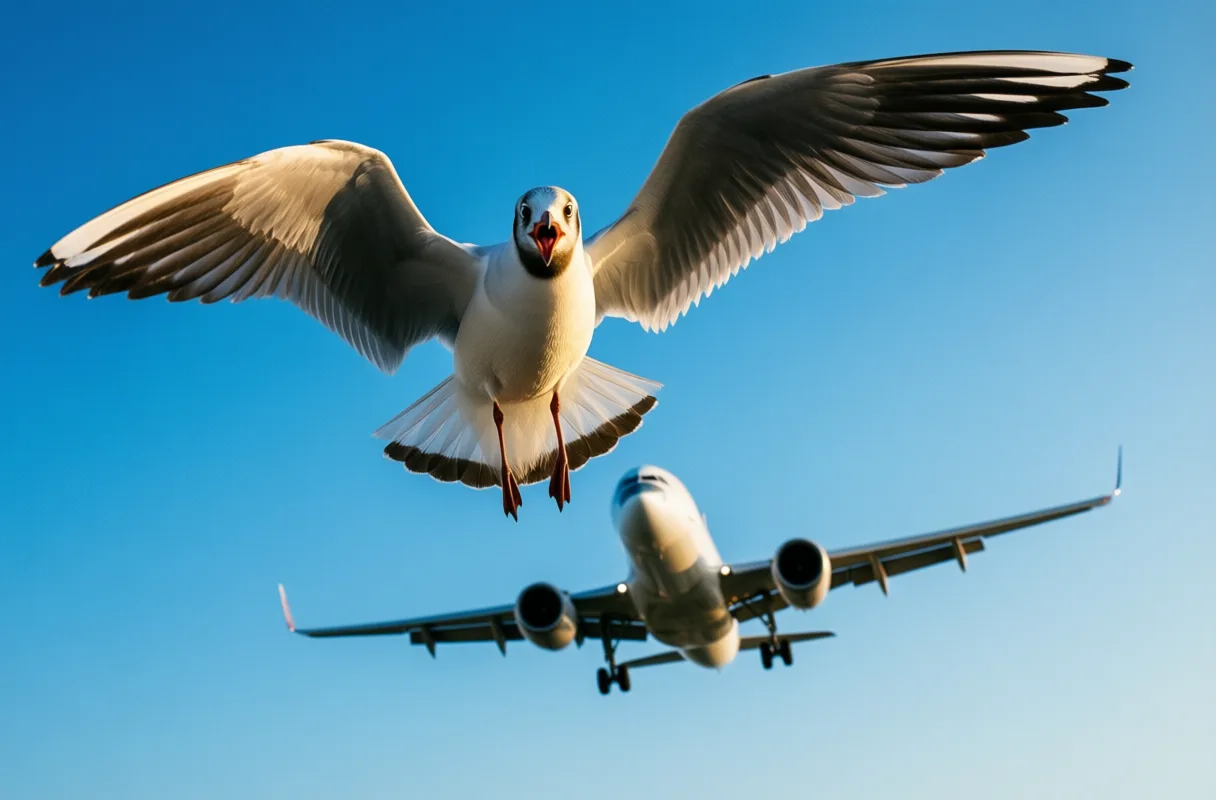
The final approach flies directly over Maho Beach. Planes skim Just meters above the shoreline, engines roaring at full thrust as they descend toward touchdown. This low-altitude passage has drawn aviation enthusiasts and thrill-seekers for decades. The beach is packed daily with tourists holding towels, cameras, and cocktails-bracing for the next jet wash.
A single road separates the beach from the runway’s end. No fence. No buffer. Just sand, sea, and steel. The sensation is visceral: a sudden gust, a deafening roar, and the unmistakable scent of kerosene. For many, getting blown by a landing jet has become a rite of passage.
Still, the Airport functions With precision. Over 1.8 million passengers pass through annually. Flights connect to 34 destinations across North America, Europe, and the Caribbean. Major carriers operate daily services, making access both reliable and global.

More Than a Spectacle: Function Meets Flow
Beyond the beachfront drama, the terminal operates with quiet efficiency. Designed to handle international traffic, Princess Juliana International Airport features modern check-in halls, customs processing, and baggage claim areas. It’s not sprawling-but it’s sufficient, clean, and well-organized.
Passengers clear immigration swiftly during peak seasons. Digital kiosks streamline entry. Security lanes move quickly. The airport prioritizes throughput without sacrificing comfort. Duty-free shops offer liquor, perfume, and local souvenirs. Cafés serve espresso and fresh juice between gates.
Ground transportation links are immediate and varied. Taxis queue outside arrivals, ready to ferry guests to hotels and villas. Rental car counters line the exit corridor, with agencies offering everything from compact sedans to luxury SUVs. Private transfers book in advance, ensuring seamless arrivals for high-end travelers.
Flights arrive from Miami, New York, Atlanta, Paris, and Amsterdam. Seasonal routes expand the network. No long-haul hub required-this airport drops you directly into island time. The moment you step outside, trade winds greet you. Palm trees sway. The Caribbean glitters.

Maho Beach: Where Aviation Meets Adrenaline
Maho Beach is not a hidden gem. It’s a global phenomenon. Positioned directly beneath the flight path, it offers front-row seats to one of the most thrilling natural theaters in travel. Every landing is a performance-low, loud, and unfiltered.
Tourists gather not to swim, but to stand. To feel. To capture. The jet blast from a wide-body can exceed 100 mph. It’s enough to knock over an unprepared onlooker. Warning signs are posted. Most ignore them. Getting blown back by a passing Airbus is part of the ritual.
The beach is small, crescent-shaped, and framed by turquoise water. Behind it, Simpson Bay Road hums with traffic. Ahead, the runway threshold juts into the sea. Planes pass so close you can read the tail numbers. Some visitors time their jumps to coincide with touchdown.
Yet it’s not all chaos. Families lounge between arrivals. Vendors sell rum punch and grilled lobster. Music pulses from beach bars. The rhythm of the airport dictates the beach’s tempo-calm between landings, electric during them.
Planning Your Arrival: Smart Moves for Savvy Travelers
Arriving at Princess Juliana International Airport demands awareness, not fear. The experience is safe, regulated, and deeply embedded in local culture. But smart preparation enhances comfort and control.
Time your landing. If possible, book flights that arrive during daylight. The approach over the Caribbean is one of the most scenic in the region-emerald cays, turquoise shallows, and the long curve of the island unfold below.
Pack light for transfers. While the terminal is compact, walking distances add up with heavy luggage. Many high-end villas offer butler service or private pickup. Confirm transfer details in advance, especially for late-night arrivals.
Respect Maho Beach rules. Stay behind marked zones. Heed warning signs. Never cross the road when planes are on final approach. The airport enforces safety strictly-fines and removal are real consequences.
| Key Airport Facts | Details | |------------------|---------| | IATA Code | SXM | | Location | Southwest coast of St. Maarten | | Passengers Annually | Over 1.8 million | | Destinations Served | 34+ | | Main Carriers | American Airlines, Delta, Air France, KLM, JetBlue |
The Gateway to Dual Worlds
Princess Juliana International Airport sits on a border-not just of land and sea, but of nations. The island of Saint Martin is shared: Dutch Sint Maarten to the south, French Saint-Martin to the north. One airport, two cultures, endless contrast.
Within minutes, you can shift from English-speaking beaches to French patisseries. From duty-free shopping to open-air markets. The airport anchors the south, but the island invites exploration northward. Rent a car. Drive the coast. Taste the difference.
Luxury villas perch on hillsides with panoramic views. Yachts dot the marinas. Casinos hum beside quiet coves. This is not a destination of extremes, but of layers-each revealed slowly, deliberately.
The airport in St Martin Caribbean dreams is not just a transit point. It’s the overture. The first note. The moment the island announces itself-not with silence, but with thunder.
| Key Airport Facts | Details |
|---|---|
| IATA Code | SXM |
| Location | Southwest coast of St. Maarten |
| Passengers Annually | Over 1.8 million |
| Destinations Served | 34+ |
| Main Carriers | American Airlines, Delta, Air France, KLM, JetBlue |
Where Planes Fly Low and Beaches Buzz with Jet Blast
More Than Just a Runway
Princess Juliana International Airport isn’t your average Caribbean gateway-it’s a full sensory experience before you even clear customs. Sitting right on the southwest coast of St. Maarten, the airport funnels flights in low over the turquoise waters of the Caribbean, giving passengers a heart-racing approach that feels like a theme park ride. But the real show happens on the ground-specifically, on Maho Beach, just beyond the runway’s edge.
The Beach Where Jets Rule
Maho Beach has earned global fame not for its sand or surf, but for the thunderous roar of landing jets passing just overhead. The runway ends abruptly at a narrow road, and then-bam-there’s the beach. When a wide-body like a 747 or A340 comes in hot, the jet blast can send spray flying and send beachgoers scrambling for safety (and that perfect action photo). It’s not unusual to see people getting blown backward by the force, making it a magnet for thrill-seekers and aviation geeks alike. This up-close encounter with aviation power is why the spot draws plane spotters from all over the world-it’s one of the few places where you can feel a jet engine’s wake while wearing flip-flops.
A Hub That Keeps Things Moving
Behind the spectacle, Princess Juliana handles serious business. It welcomes around 1.8 million passengers a year, connecting the island to over 30 destinations across North America, South America, and the Caribbean. Despite its reputation for dramatic landings, it’s a fully modern airport with all the essentials-duty-free shops, lounges, and solid connections for island-hoppers. Whether you're landing wheels-down in a roar or watching it all unfold from the sand, one thing’s clear: this airport doesn’t just bring you to the island-it kicks off the adventure the second you arrive. Explore more stories, videos, and creators on Loaded.
Frequently Asked Questions
Why is Princess Juliana International Airport famous?
It is known for its dramatic low-altitude landings over Maho Beach, where planes pass just meters above sunbathers. The jet blast from landing aircraft can exceed 100 mph, creating a thrilling spectacle.
Where is Princess Juliana International Airport located?
It is located on the southwestern coast of St. Maarten. The runway extends to the edge of the Caribbean Sea and serves both Dutch Sint Maarten and French Saint-Martin.
How many passengers use Princess Juliana International Airport annually?
Over 1.8 million passengers pass through the airport each year. It connects to more than 34 destinations across North America, Europe, and the Caribbean.
Is it safe to visit Maho Beach during plane landings?
The airport enforces safety strictly with warning signs and marked zones. Visitors are advised to stay behind designated areas and never cross the road during final approach.
This article was produced with AI assistance. How Navigate Magazine uses AI.
Tomasz covers off-the-grid destinations and adrenaline-fueled activities across remote regions, from Arctic treks to jungle expeditions. He emphasizes cultural authenticity, environmental responsibility, and the raw, unfiltered moments that define transformative journeys.