
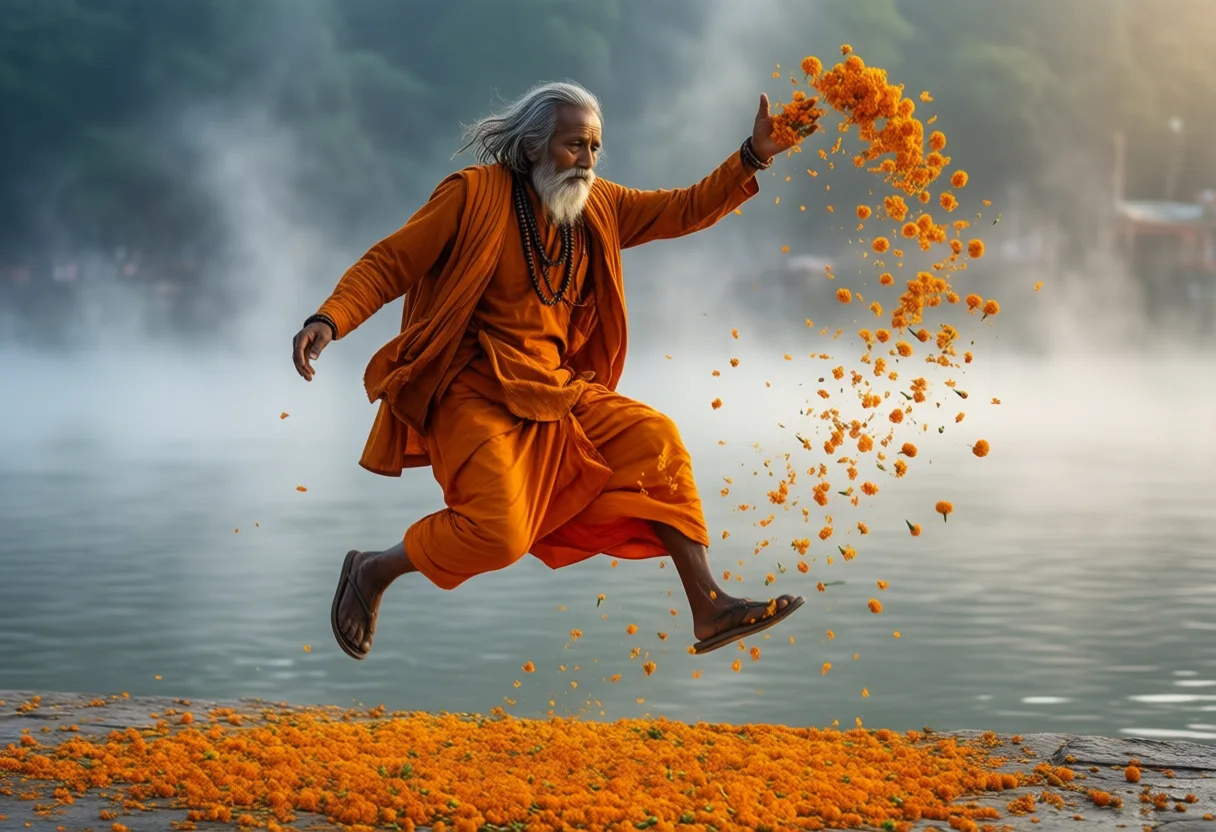
The first light over the Ganges slips through morning mist like a whispered promise, Revealing silhouettes Of sadhus wrapped in saffron robes and stone temples rising from centuries-old riverbanks. In that quiet hush before dawn breaks fully, Varanasi doesn’t just awaken-it remembers. This is a country where every journey traces not only geography but memory, where luxury isn't measured in thread count but in moments suspended between breaths.
India invites with contradictions: ancient rhythms pulse beneath hyper-modern cities; deserts bloom after rare rains; Mountains Hold monasteries where silence speaks louder than mantras. To travel here is to step into layers-of history, devotion, color, and scent-that unfold slowly, like the petals of a lotus on still water.
Northern Elegance: Where Heritage Meets Horizon
In Rajasthan, palaces rise like mirages from arid plains, their sandstone walls glowing at sunset as if lit from within. Udaipur floats on Lake Pichola, its white marble balconies reflecting in rippling water, while Jodhpur’s blue-washed homes climb beneath the fortress shadow of Mehrangarh. These are not merely relics-they live, breathe, host weddings in courtyards once trod by maharajas, and welcome guests into suites where carved jharokhas frame views of sprawling bazaars below.
Jaipur’s Amber Fort offers more than grandeur; it delivers narrative. Elephants once climbed this path, hooves echoing on cobbled inclines, now replaced by soft-footed footsteps and the occasional rustle of silk saris. Inside, mirrored halls scatter light like stardust, and cool underground chambers whisper secrets of royal intrigue. The city beyond pulses with craft-block printers pressing dyes into cotton, gem cutters shaping raw stones under magnifying lenses-all part of an unbroken lineage of artisanship.
Luxury here means immersion without intrusion. A private evening at a restored haveli might include classical sitar music beneath starlit courtyards, or a curated walk Through hidden Temple corridors usually closed to crowds. It’s not about exclusivity for its own sake, but about space-to listen, to absorb, to feel the weight of time without being rushed by it.
- Stay in heritage properties converted from ancestral mansions
- Explore artisan neighborhoods with local guides who share family stories
- Time visits to monuments early in the morning to avoid heat and crowds
What lingers most isn’t the opulence, though there’s plenty, but the sense of continuity-the way tradition flows through modern life like thread through fabric, strong and unseen until you look closely.
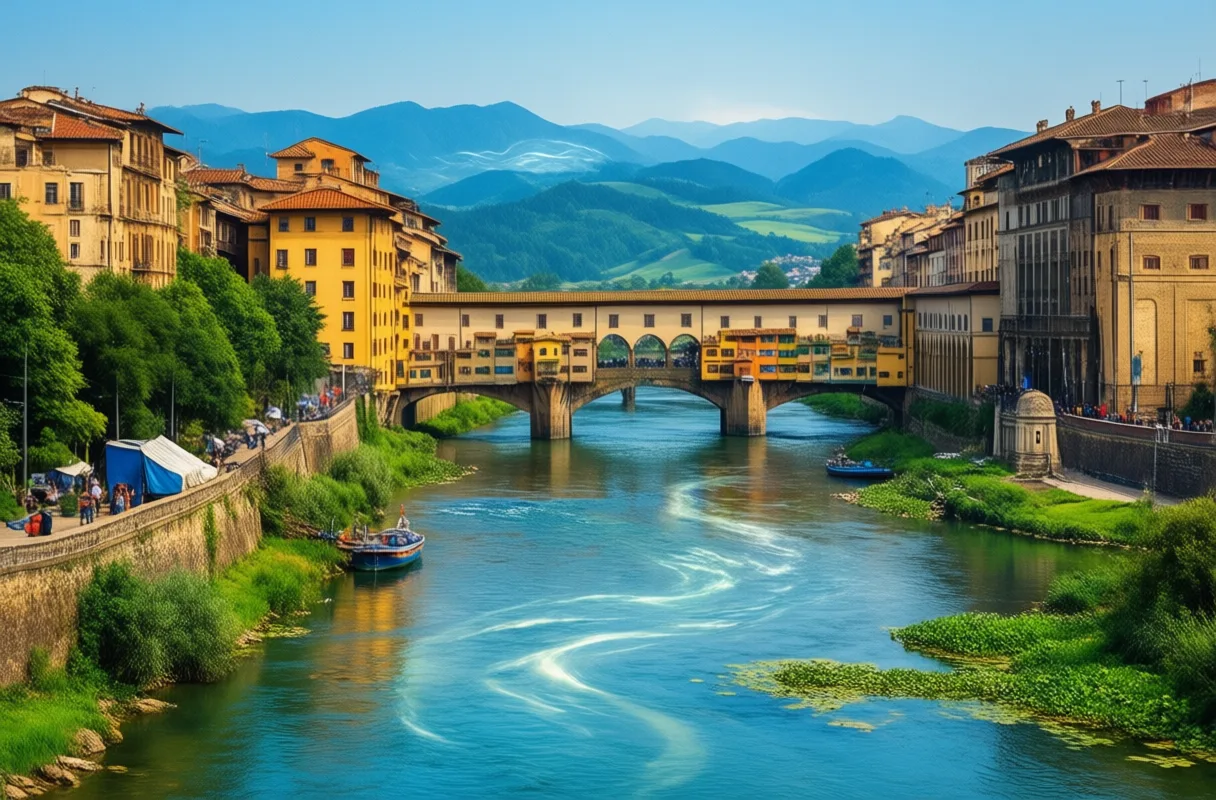
Spiritual Currents Along the Sacred Rivers
Few experiences rival the stillness of floating down the Ganges at dawn in Varanasi, when the world seems to pause between one breath and the next. Boats glide past ghats worn smooth by centuries of feet, each step imprinted with ritual-bathers chanting, widows releasing marigolds, priests lighting oil lamps destined to flicker out on holy waters. There’s no separation between daily life and devotion here; they are woven together, inseparable.
Further north, Rishikesh hums with a different energy-one of seeking. Nestled along the river’s upper reaches, it draws those drawn to yoga and meditation, not as trends but as disciplines. Ashrams line the banks, some simple clusters of stone and straw, others offering refined retreats where Ayurvedic treatments follow sunrise kirtan sessions. Crossing the Lakshman Jhula bridge, one passes pilgrims, seekers, and curious travelers alike, all moving toward something unnamed.
These journeys inward are often framed as escapes, but they’re better understood as returns. In Haridwar, during evening aarti ceremonies, hundreds gather on the riverbank, hands raised in unison, flames lifted skyward like collective hope. It’s impossible not to be moved-not because of spectacle, but because of sincerity. The air carries not just incense but intention.
True luxury in these places lies not in comfort, but in access-to quiet corners of ancient temples, to conversations with monks who speak softly of impermanence, to mornings spent sipping tulsi tea while watching mist lift off the water.
- Attend dawn boat rides for intimate views of ghat rituals
- Participate in silent meditation sessions away from tourist circuits
- Choose eco-sensitive lodges that support river conservation efforts
To travel spiritually in India is not to find answers, perhaps, but to learn how to carry the questions with grace.
Southern Serenity: Backwaters, Spice Trails, and Whispering Palms
Kerala unfolds like a dream painted in green and gold, where coconut palms sway over narrow canals and houseboats drift through villages reachable only by water. The backwaters are not a destination so much as a rhythm-a slow pulse of life where fishermen cast nets from wooden canoes and children wave from bamboo docks. Aboard a kettuvallam, days pass in gentle sequence: breakfast served on deck, midday naps lulled by lapping waves, evenings filled with the scent of curry leaves frying in coconut oil.
Beyond the waterways, hill stations like Munnar rise into cooler climes, blanketing slopes in endless tea plantations. Rows of manicured bushes stretch across valleys, tended by women in bright saris, baskets strapped to their backs. At sunrise, the mist parts like theater curtains, revealing vistas that feel almost sacred in their serenity. Some estates offer stays in colonial-era bungalows, where afternoon chai comes with views that stretch beyond horizons.
In Tamil Nadu, temple towns tell another story-one of stone and devotion carved into towering gopurams adorned with thousands of painted deities. Madurai’s Meenakshi Temple thrums with activity from dawn to midnight, yet within its inner corridors, pockets of stillness remain. Devotees press foreheads to cool granite floors, offering prayers in hushed tones, while tourists move respectfully at the edges. Here, faith isn’t performed; it simply Is.
- Cruise the backwaters in handcrafted houseboats built using traditional methods
- Visit organic spice farms where farmers demonstrate cultivation and use
- Explore temple complexes with guided walks focused on symbolism and architecture
The south teaches slowness, not as indulgence but as wisdom-a reminder that some things cannot be rushed, least of all understanding.
Western Wonders: From Desert Sands to Coastal Light
Jaisalmer emerges from the Thar Desert like a golden mirage, its fort carved entirely from yellow sandstone, walls glowing at dusk as if aflame. Within its narrow lanes, families have lived for generations, running tiny shops selling embroidered textiles and silver jewelry. Outside the city, camel caravans still cross dunes at sunset, shadows stretching long across windswept ridges. A night in a luxury desert camp offers both comfort and connection-fine linen beds under open skies, dinner served beside crackling fires, folk songs carried on dry desert air.
Mumbai, by contrast, thrums with relentless energy, a metropolis perched between sea and sky. Yet even here, moments of calm exist-in quiet Parsi cafes serving berry pulao, in seaside walks along Marine Drive as lights shimmer on dark water, in art galleries tucked behind colonial facades. The city rewards those who wander with purpose, who seek not just sights but stories.
Goa’s coastline carries echoes of many worlds-Portuguese tiles glint on old church walls, fishing boats bob in tidal creeks, and beach shacks serve feni cocktails under palm thatch. Beyond the well-trodden sands, villages retain a slower pace, where life revolves around tide and season. Heritage homes Converted into boutique stays offer privacy and charm, often managed by Goan families eager to share recipes and memories.
- Experience desert safaris led by local Bhil or Rabari guides
- Dine at intimate home kitchens showcasing regional coastal cuisine
- Stay in restored Indo-Portuguese houses for authentic architectural detail
West India dazzles not just with beauty, but with resilience-the way culture persists, adapts, and endures.
Eastern Echoes: Mountains, Monasteries, and Tea-Scented Air
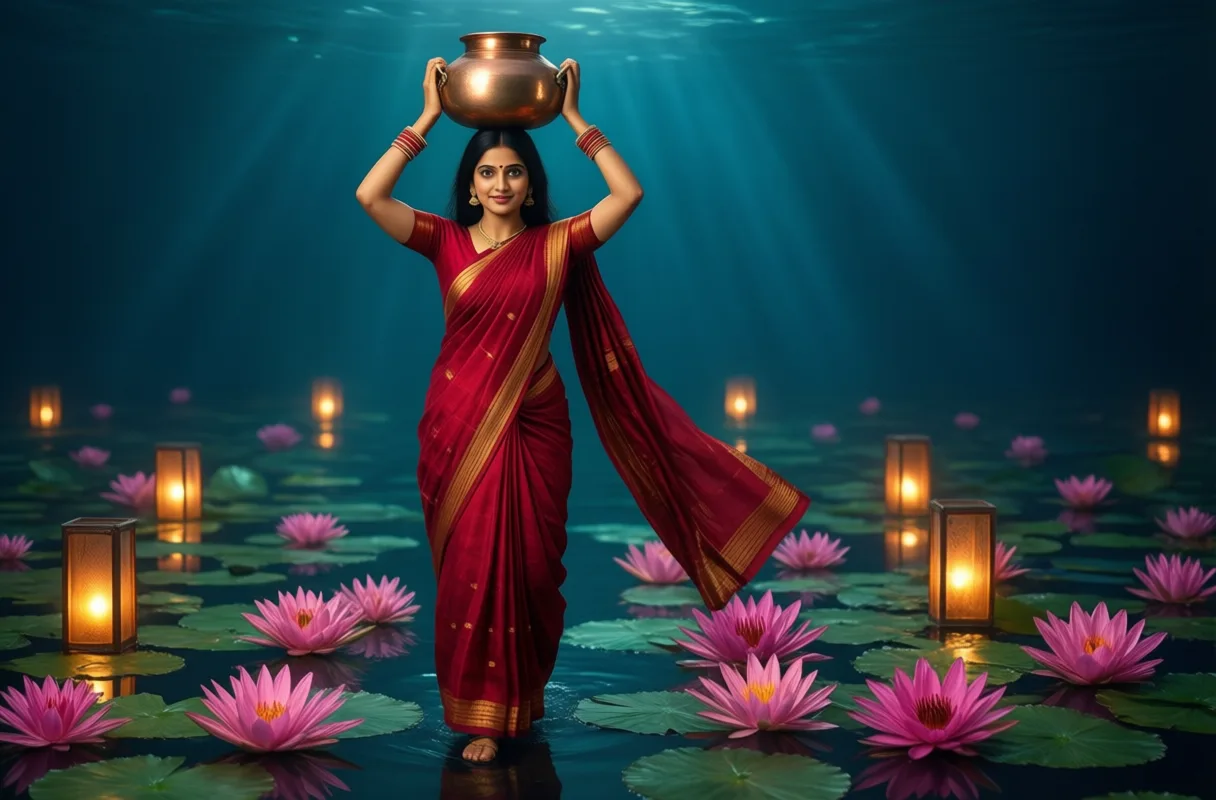
Sikkim rests in the lap of the Himalayas, a small kingdom turned state where snow-capped peaks watch over terraced farms and fluttering prayer flags. Gangtok balances modernity and tradition, with sleek cafes beside monasteries where monks chant in dimly lit halls. Treks to Tashi Viewpoint reveal Kanchenjunga veiled in clouds, its summit rarely seen but always felt-an invisible presence shaping the spirit of the land.
Darjeeling, further west, carries a colonial nostalgia softened by time. The toy train still chugs up steep grades, puffing steam into crisp mountain air, while tea estates cling to hillsides like green tapestries. Morning visits to auction rooms reveal the quiet drama of graded leaves being inspected, priced, shipped-part of a global ritual rooted in this single valley. Staying in a heritage villa means waking to fog drifting through windowpanes and the distant whistle of the train.
In Odisha, Konark’s Sun Temple stands as a monument to cosmic design, its stone chariot wheels aligned with celestial movements. Though partially ruined, its grandeur remains staggering-sculptures depicting dancers, musicians, lovers frozen in eternal motion. Nearby beaches host olive ridley turtle nesting grounds, where conservationists work quietly to protect new life amid shifting sands.
- Walk monastery trails with Buddhist scholars who explain philosophy in simple terms
- Ride heritage trains with reserved seating for panoramic mountain views
- Support community-led ecotourism initiatives near wildlife habitats
East India reminds us that wonder often resides in stillness-and that elevation changes not just altitude, but perspective.
Travel With Intention: Moving Through India Mindfully
To journey through India is to confront abundance-not just of sights, but of sensations. The smell of cardamom in hot milk, the clang of temple bells at twilight, the sudden hush of a village at noon when the sun hangs highest. Luxury, redefined, becomes the ability to move with awareness, to choose depth over distance, presence over checklist tourism.
It means asking not just Where To go, but How To be there. Sitting longer in one temple rather than rushing through five. Learning a few words in the local language, not for show, but as gesture. Choosing accommodations that honor place-built with local materials, staffed by residents, designed to blend rather than dominate.
Responsible travel here also means recognizing privilege-not as guilt, but as responsibility. Supporting women-run cooperatives, respecting sacred spaces by dressing modestly, avoiding photography during private rituals. These aren’t rules so much as offerings-a way of giving back the gaze with dignity.
India does not need to be "discovered." It has always been here, remembering itself, reinventing itself, welcoming those willing to listen. And perhaps that is the greatest luxury of all: the chance to witness a civilization not as museum exhibit, but as living, breathing, evolving soul.
| Region | Cultural Feature | Natural Feature | Recommended Experience |
|---|---|---|---|
| North (Rajasthan) | Heritage palaces and havelis | Thar Desert | Desert safari with local Bhil or Rabari guides |
| South (Kerala, Tamil Nadu) | Temple gopurams and spice farms | Backwaters and tea plantations | Cruise in a handcrafted kettuvallam |
| East (Sikkim, Darjeeling, Odisha) | Buddhist monasteries and Sun Temple | Himalayan peaks and tea estates | Ride the heritage toy train in Darjeeling |
| West (Varanasi, Rishikesh, Goa) | Ghat rituals and Indo-Portuguese houses | Sacred rivers and coastal beaches | Attend dawn boat ride on the Ganges |
| Northeast (Meghalaya) | Living root bridges | World’s wettest place at Mawsynram | Walk across naturally grown root bridges |
| North (Ladakh) | Cliffside Buddhist monasteries | Cold desert and high-altitude passes | Visit Khardung La Pass, one of the highest motorable roads |
Hidden Gems and Surprising Sights Across India
More Than Meets the Eye
India’s cultural tapestry isn’t just woven with grand monuments-sometimes it’s stitched together in unexpected ways. Take the village of Shani Shingnapur in Maharashtra, where homes famously have no doors or locks. Locals believe the deity Shani protects the village so completely that theft is unheard of, making it a living testament to faith and community trust. Meanwhile, in the northeast, Meghalaya hosts the world’s only living root bridges-natural walkways formed by guiding the roots of rubber trees across rivers, some taking decades to shape but lasting centuries.
Nature’s Record-Breakers
India doesn’t just boast diverse landscapes-it claims a few global records too. The wettest place on Earth, Mawsynram in Meghalaya, soaks up over 11,000 millimeters of rain each year, creating emerald hills and cascading waterfalls that feel like something from a fantasy novel. In stark contrast, the cold desert of Ladakh mimics the Moon’s surface, complete with Buddhist monasteries perched on cliffs. It’s also home to one of the highest motorable roads in the world-Khardung La Pass-which offers dizzying views for those brave enough to make the climb.
Culture That Moves You
You haven’t truly experienced Indian culture until you’ve witnessed its festivals in full swing. In Jaisalmer, Rajasthan, the annual Desert Festival turns the golden sands into a stage for camel races, folk dances, and turban-tying contests-all under a sky lit by bonfires. And while the Taj Mahal draws millions, fewer know that nearby Agra has a “Taj of Tears”-a black marble mausoleum Shah Jahan planned for himself across the Yamuna River, though it was never completed. Even train travel gets a magical twist: the Palace on Wheels luxury rail journey lets travelers roll through royal cities in vintage-style carriages, blending old-world charm with modern comfort. Explore more stories, videos, and creators on Loaded.
Frequently Asked Questions
What makes Varanasi a unique spiritual destination in India?
Varanasi offers a profound spiritual experience with dawn boat rides along the Ganges, where daily life and devotion are intertwined at ancient ghats. Rituals like bathing, prayer, and lamp lighting occur continuously, creating a deeply immersive atmosphere.
Where can travelers experience India's living cultural traditions beyond major monuments?
Travelers can visit Shani Shingnapur, where homes have no doors due to faith in divine protection, or Meghalaya to see living root bridges shaped from rubber tree roots over decades.
What are some recommended ways to explore Kerala’s backwaters?
Cruising the backwaters on a kettuvallam, a traditionally crafted houseboat, allows travelers to experience village life, serene waterways, and local cuisine at a slow, reflective pace.
How can visitors engage in mindful and responsible travel in India?
Travelers can support local communities by staying in heritage or eco-sensitive lodgings, respecting sacred spaces, learning local languages, and choosing experiences led by local guides and cooperatives.
This article was produced with AI assistance. How Navigate Magazine uses AI.
Saniya delves into the intersection of travel and identity, profiling local artisans, culinary traditions, and community-led tourism initiatives. Her work highlights how travel can foster connection, equity, and deeper understanding between cultures.