Italy unfolds like a sonnet written in sunlight and stone-each region a stanza, each village a whispered secret passed through centuries. To travel here is not merely to visit, but to step inside a living tapestry woven with olive groves, terracotta rooftops, and the soft hum of espresso machines at dawn.
These are not just Travel destinations In italy-they are invitations to slow down, to savor, to belong, even if only for a week. With elegance as your compass and curiosity as your guide, let Italy reveal itself not through checklists, but through moments: the brush of sea breeze on skin as you climb stone steps in Positano, the first bite of warm focaccia in a Ligurian alley, the hush that falls over a piazza when evening light gilds ancient facades.
The Timeless Allure of Tuscany
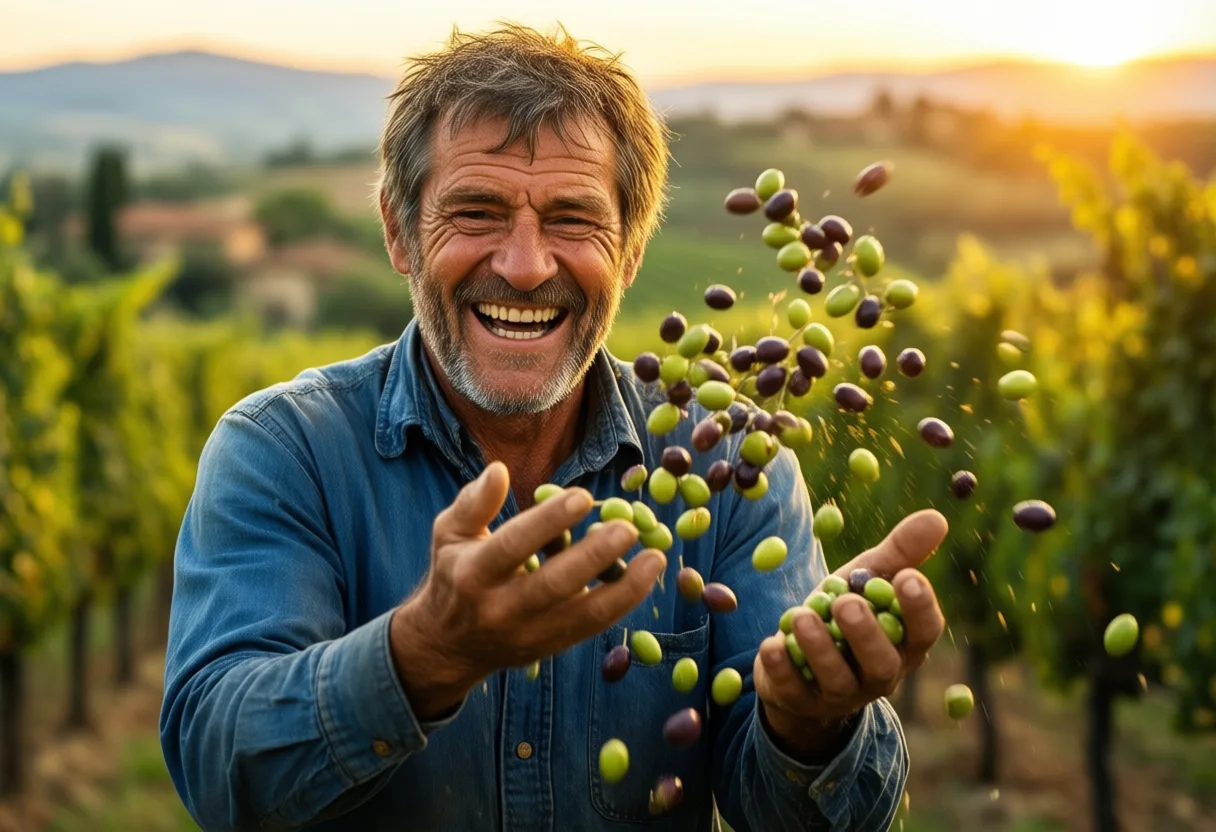
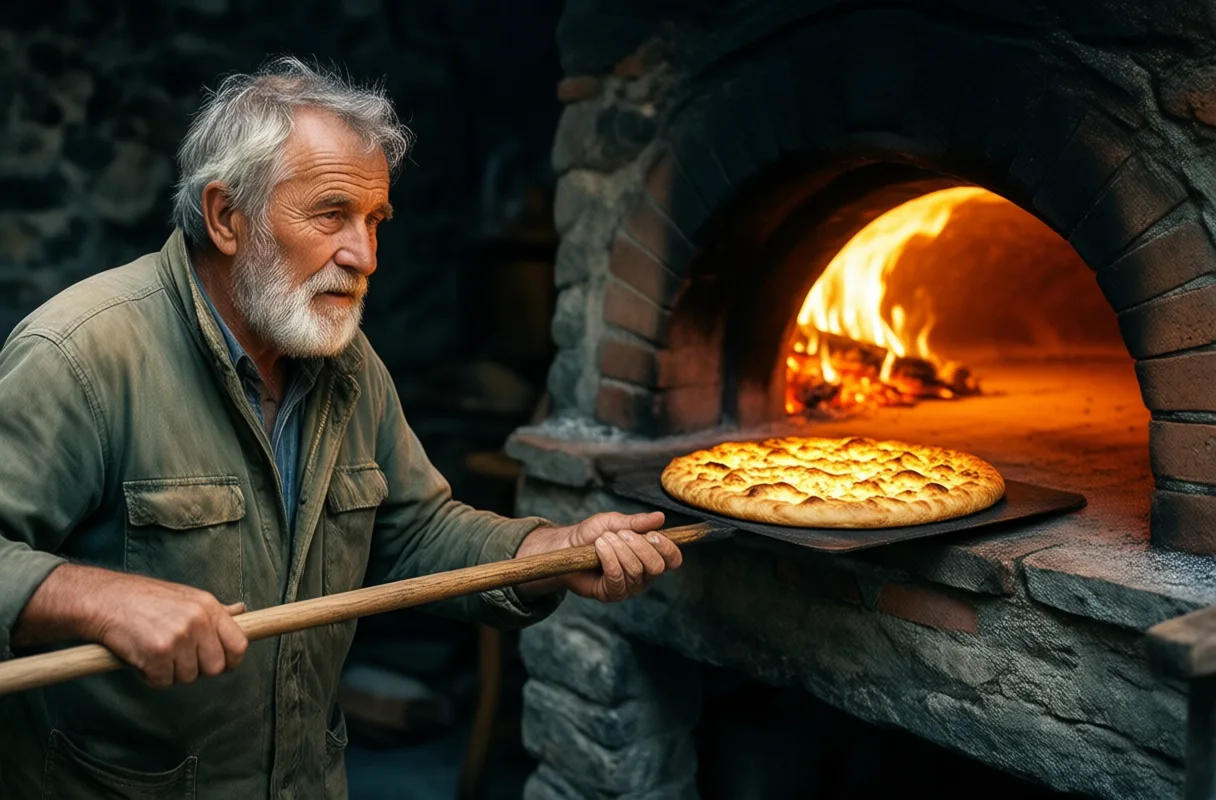
Tuscany breathes at its own rhythm, measured in vineyard rows that ripple across hills and sunsets that drench cypress trees in gold. Here, Authenticity Isn’t curated-it’s cultivated, grown from generations tending the same soil, pressing the same olives, baking bread in wood-fired ovens long before tourism arrived.
In Towns like San Gimignano, medieval towers rise like sentinels above winding alleys where artisans still practice leatherwork and saffron harvesting. There’s no need to rush; time slows beneath arched doorways and shaded courtyards where locals sip Vin santo After long meals. The air carries the scent of rosemary and damp earth, especially after a summer rain rolls over the Val d’Orcia.
- Rolling hills dotted with sunflowers in summer
- Family-run agriturismi offering wine tastings and home-cooked dinners
- Historic hilltop villages accessible by scenic country roads
Chianti Classico country Rewards those who linger. A quiet road outside Greve leads to a small winery where the owner pours deep ruby wines from his family’s vines, speaking softly of harvests past. This is luxury not in gilded halls, but in genuine connection-the kind money can’t buy, only patience and respect can earn.
Stay in a restored farmhouse where shutters open to mist rising off vineyards. Let breakfast unfold slowly: thick yogurt sweetened with wildflower honey, figs plucked from the tree, and espresso served in hand-thrown ceramics. It’s not opulence as spectacle, but comfort as artistry.
The Soul of Southern Italy: Puglia and Basilicata
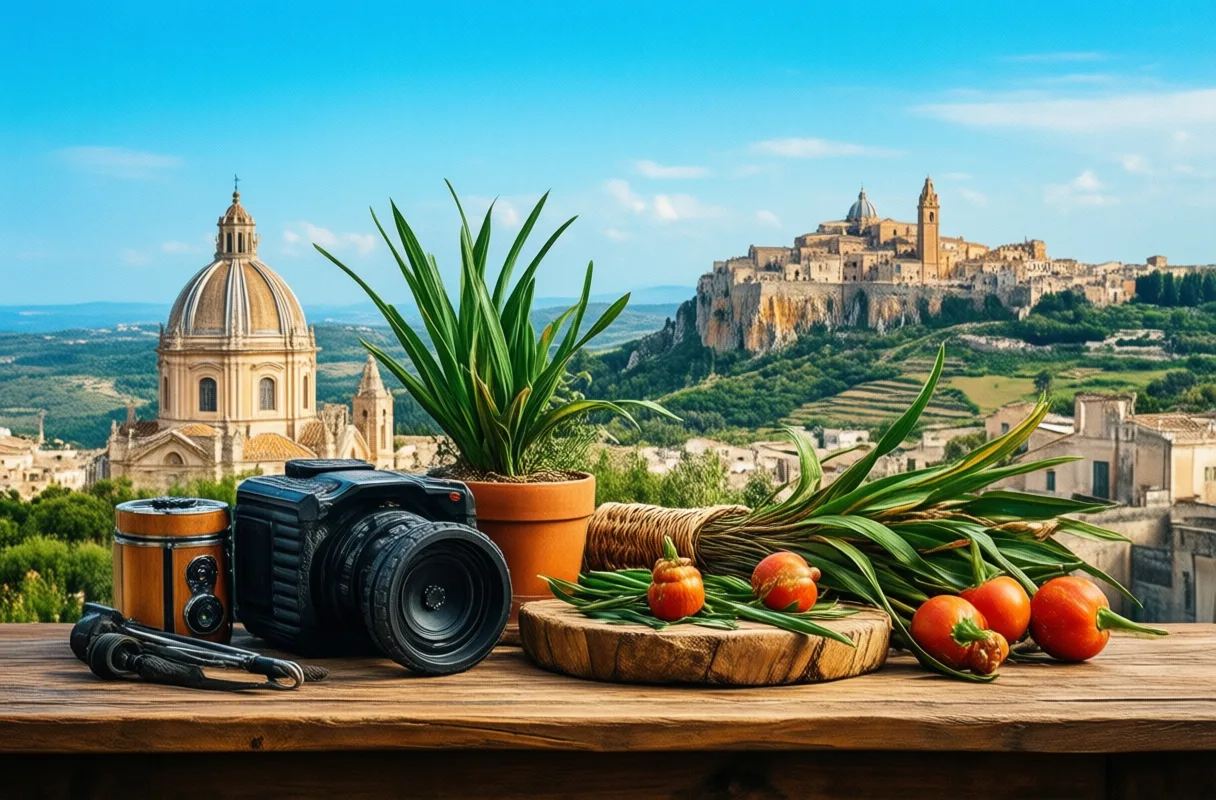
Beyond the well-trodden paths lies southern Italy-a land of whitewashed trulli homes, olive groves older than memory, and coastlines lapped by two seas. Puglia, the heel of Italy’s boot, offers an intimacy that feels quietly revolutionary in an age of overcrowded hotspots.
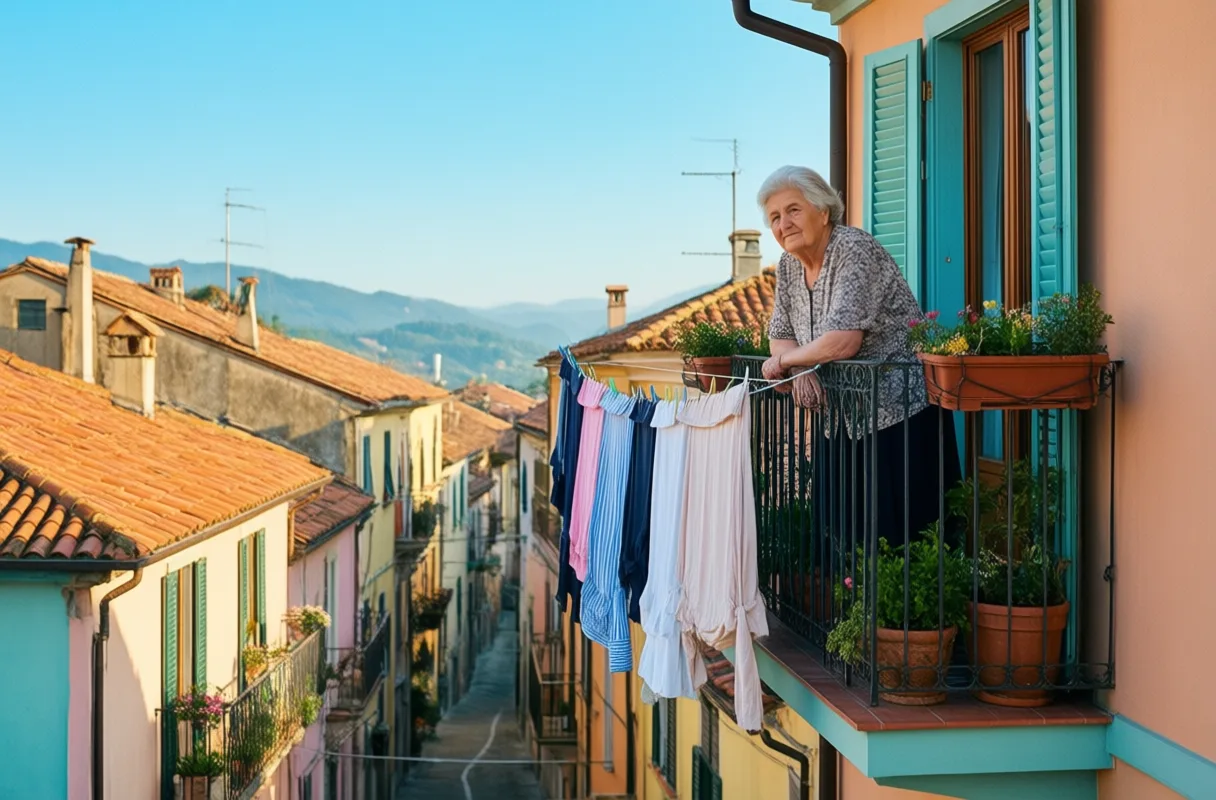
In Alberobello, clusters of conical-roofed trulli glow under moonlight, their limestone walls absorbing the day’s warmth and releasing it slowly into cool nights. Wander narrow lanes where laundry flutters between buildings and grandmothers call greetings from doorsteps. These homes were once built without mortar so they could be dismantled quickly-legends say to avoid taxes-but today they stand as symbols of resilience and ingenuity.
The countryside reveals more. Vast expanses of gnarled olive trees stretch toward the horizon, some estimated to be hundreds of years old. Local farmers press oil in stone mills, producing golden liquid with a peppery finish that dances on the tongue. Meals here begin with Orecchiette alle cime di rapa, handmade pasta cradling bitter greens in a dance of flavor both earthy and refined.
Basilicata, often overlooked, holds one of Italy’s most haunting treasures: Matera. Carved into limestone cliffs, its ancient cave dwellings-once symbols of poverty-are now reborn as boutique hotels and artisan workshops. Yet the soul remains. Walking through the Sassi districts feels like stepping into a dream layered with time: flickering candlelight in rock-hewn chapels, echoes of footsteps in narrow passageways, silence so deep it hums.
Spend an evening dining in a Sassi restaurant, where lamb slow-cooks in clay ovens and local wine flows freely. Above, stars scatter across the sky, untamed by city lights. This is travel that doesn’t just show you a place-it lets you feel its pulse.
The Enchantment of Lake Como and the Northern Lakes
In northern Italy, where the Alps dip their toes into mirror-still waters, the lakes offer a different kind of magic-one of serenity, elegance, and quiet introspection. Lake Como, draped over the Lombard landscape like a silk shawl, has drawn poets, aristocrats, and dreamers for centuries.
Villas spill down green slopes, their gardens tumbling toward the water in tiers of camellias, hydrangeas, and lemon trees in terracotta pots. Towns like Bellagio And Varenna Rise like stage sets from the mist, their pastel houses stacked vertically, connected by staircases that seem designed for lovers and wanderers. A morning ferry ride glides across glassy water, revealing glimpses of private gardens and marble colonnades hidden behind iron gates.
Luxury here is understated. It’s in the way a hotel staff remembers your preferred table by the Lake, or how breakfast arrives on linen-covered trays with freshly baked croissants still warm. There are no crowds in early May or late September-only the rustle of leaves, the cry of gulls, and the distant chime of church bells carried on the breeze.
- Scenic hiking trails linking lakeside villages
- Historic villas with manicured gardens open to visitors
- Water taxis offering intimate access to secluded coves
Spend an afternoon exploring Villa del Balbianello, its terraced gardens spilling into the Lake, once a retreat for monks, now a sanctuary for those seeking beauty and repose. Or drift through Lake Garda, where olive groves meet citrus orchards and the scent of mimosa lingers in spring air.
Evening belongs to the lakeshore promenades-long, gentle walks where couples stroll arm-in-arm and children chase ice cream carts. Sit at a waterfront café, order a spritz with a twist of grapefruit, and watch the mountains blush pink as the sun sinks behind them. This is not escape, but return-to calm, to clarity, to a sense of being exactly where you’re meant to be.
Sicily: Where Cultures Converge in Fire and Light
Sicily does not whisper. It sings-in Arabic arches, Greek temples, baroque facades cracked by time and earthquake. This island at the center of the Mediterranean has been shaped by Phoenicians, Romans, Normans, and Moors, each leaving a mark not just in stone, but in spirit.
In Palermo, the capital, markets brim with color and chaos. Stalls overflow with blood oranges, capers from Pantelleria, wheels of pecorino dusted with ash. At Ballarò or Vucciria, vendors call out in rapid-fire dialect while octopus grills over open flames. The scent of fried Arancini, stuffed with ragù and mozzarella, rises like an invitation. Eat standing up, napkin in hand, and let the city seep into your bones.
Above the noise, quiet sanctuaries await. The 12th-century Palatine Chapel Gleams with Byzantine mosaics-gold leaf catching light like fire frozen in time. Kings once knelt here; now travelers pause, awestruck, beneath ceilings alive with saints and angels. Just outside the city, the Valley of the Temples in Agrigento Stretches along a ridge, where Doric columns rise against the sky as if defying ruin.
Mount Etna broods in the east, Europe’s most active volcano, its slopes covered in vineyards that produce bold, mineral-rich wines. Visit a family-run cantina halfway up the mountain, where the owner speaks of lava soil and vintage years like a poet describing seasons of the soul. Taste a Nerello Mascalese, smoky and bright, and understand how fire gives birth to flavor.
Stay in a restored Masseria Or a boutique casa in Taormina, where balconies overlook the Ionian Sea and bougainvillea spills over stone walls. Let days unfold without urgency-morning swims in turquoise coves, afternoons lost in archaeological sites, evenings spent dining under pergolas strung with lights. Sicily doesn’t offer perfection. It offers truth-raw, vivid, unforgettable.
The Undiscovered Charm of Le Marche and Umbria
While others flock to Florence or Venice, discerning travelers slip quietly into the heart of central Italy, where rolling hills fold into river valleys and medieval towns crown ridgelines like jewels. Le Marche And Umbria Remain refreshingly untouched-not because they lack beauty, but because their rhythm resists haste.
In Urbino, a UNESCO World Heritage site perched in Le Marche, Renaissance ideals live on in cobblestone piazzas and the stately Ducal Palace. This was once home to a enlightened duke who gathered artists and scholars; today, students from the local university wander with books under their arms, keeping the town intellectually alive. Walk the ramparts at dusk and see the countryside bathed in amber light, patchwork fields stretching into the Apennines.
Umbria, known as the “green heart of Italy,” pulses with quiet vitality. Assisi Clings to a mountainside, its basilica glowing in pale stone, while Spoleto Hosts a renowned arts festival each summer, drawing musicians and theater troupes to its Roman theater. But the real magic happens in the in-between moments: buying cheese from a shepherd at a village market, following a hand-painted sign to a winery with no website, sharing laughter over a bottle of Sagrantino with strangers who feel like friends.
- Hilltop towns with panoramic views and minimal tourist traffic
- Truffle hunting excursions in autumn forests
- Ancient pilgrimage routes perfect for mindful walking
Stay in a converted monastery or a stone cottage with a fireplace that crackles on cool evenings. Dine on lentils from Castelluccio, black truffles shaved over handmade pici, and young olive oil so fresh it tingles on the tongue. This is cuisine born of necessity, elevated by care.
Here, luxury is space-space to breathe, to wander, to listen. Not to grand gestures, but to the soft chime of goat bells in the valley, the rustle of chestnut leaves in the wind, the silence that settles when the world feels far away. In Le Marche and Umbria, you don’t discover Italy-you remember it.
Beyond the Postcard: Hidden Gems and Quirky Truths
Venice’s Bridges and Steps
Venice isn’t just a city of canals-it’s a city without streets in the traditional sense. Instead, it’s built across 118 small islands connected by over 400 bridges. One of the most famous, the Rialto Bridge, was the only crossing over the Grand Canal for centuries. Here’s a fun twist: many of Venice’s bridges have steps, making wheeled luggage a real challenge. That’s why locals often carry suitcases on their backs or use rolling backpacks. Walking the narrow calli (alleyways) feels like solving a puzzle, with each turn revealing a quiet courtyard or a tiny bakery selling fresh cicchetti-Venice’s answer to tapas.
The Leaning Tower’s Long Lean
Pisa’s Leaning Tower didn’t start out crooked-it began tilting during construction in the 12th century due to unstable soil. What’s wild is that it took nearly 200 years to finish because of wars and engineering pauses, giving the lean time to worsen. By the late 20th century, the tilt reached over 5 degrees, prompting a major stabilization project. Engineers carefully removed soil from under the higher side, gently nudging it back. Today, it still leans-about 4 degrees-but is safe for visitors to climb. And yes, everyone still takes that classic “holding up the tower” photo at the base.
A Village That Moved
In the mountainous region of Abruzzo, the village of Civitella del Tronto isn’t just picturesque-it’s a fortress town with a dramatic past. Perched on a ridge, it housed one of the last strongholds to resist Italian unification in the 1860s. But here’s a lesser-known fact: nearby, the ancient hilltop town of Civita di Bagnoregio is slowly crumbling. Known as “the dying town,” it sits on volcanic rock eroded by weather and landslides. Access is only via a long footbridge, and only a handful of residents remain. Yet, it draws visitors for its haunting beauty and the annual “Festival of Light,” where the entire village glows with lanterns one summer night. Explore more stories, videos, and creators on Loaded.
Frequently Asked Questions
What makes Tuscany an authentic travel destination in Italy?
Tuscany offers authenticity through family-run agriturismi, historic hilltop villages, and traditions like olive pressing and bread baking in wood-fired ovens. The region emphasizes slow living, with scenic countryside and intimate cultural experiences.
Why is Matera in Basilicata considered a unique destination?
Matera's ancient cave dwellings, carved into limestone cliffs and known as the Sassi districts, have been transformed into boutique hotels and artisan workshops. The town offers a profound sense of history and connection to the past.
What are some highlights of traveling to Lake Como?
Lake Como features historic villas with manicured gardens, scenic hiking trails between villages, and water taxis to secluded coves. The area is best visited in early May or late September to avoid crowds and enjoy serene lake views.
What cultural influences shape Sicily’s identity?
Sicily’s culture reflects layers of Phoenician, Roman, Norman, and Moorish history, seen in its architecture, cuisine, and traditions. Markets, ancient temples, and Mount Etna’s volcanic landscape contribute to its vibrant, authentic character.
This article was produced with AI assistance. How Navigate Magazine uses AI.
Elara explores high-end resorts and boutique accommodations, focusing on immersive guest experiences and sustainable opulence. She seeks out properties where design, service, and local culture converge to create meaningful stays that go beyond comfort into storytelling.