
The sun spills over the tarmac like warm honey, catching the chrome trim of vintage race cars lined up in silent anticipation. In Le Mans, time doesn’t just pass-it laps itself, layering decades of speed, steel, and savoir-faire into the quiet streets of a Town That knows how to hold its breath before roaring back to life.
This is not merely a City With a famous race. It is a place where History hums beneath the surface, where medieval stone walls stand a few hundred meters from grandstands still vibrating with last summer’s engine chants. To come here is to step into a dialogue between past and present-one measured in tire marks and cathedral spires, in pit-stop precision and slow sips of café au lait at corner bistros.
Where Speed Meets Stillness
Le Mans moves at two rhythms: the fevered pulse of 24-hour Endurance racing And the unhurried cadence of daily life in France’s Pays de la Loire. The Circuit de la Sarthe, carved from public roads and purpose-built track, becomes a global epicenter every June, drawing teams, engineers, and fans who speak fluent horsepower. Yet for 364 days a year, it reverts to open lanes flanked by wildflowers, used by farmers, cyclists, and the occasional deer slipping through dawn mist.
What makes this duality so compelling isn't just contrast-it's coexistence. Locals don’t see the race as an interruption but as A seasonal heartbeat, one they’ve learned to live inside and around. Children grow up knowing the difference between a prototype hybrid LMP1 and a GT class car; elders recall watching Fangio practice in the ’50s as if it were yesterday. There’s pride here, yes, but also patience-a sense that greatness need not be loud to be felt.
Wander beyond the track, and you’ll find cobbled alleys climbing toward the Old city Of Le Mans, known as Cité Plantagenêt. Its half-timbered houses lean gently into one another, like friends sharing secrets across centuries. At dusk, golden light bathes the 13th-century cathedral, and the air carries woodsmoke and the faint tang of crepes cooking on street-corner griddles. Here, the only countdown is for dinner.
- Morning: Walk the ramparts for panoramic views over rooftops and river valleys
- Afternoon: Visit the Musée des 24 Heures du Mans to trace engineering evolution
- Evening: Dine on rillettes and local wines in a tucked-away courtyard
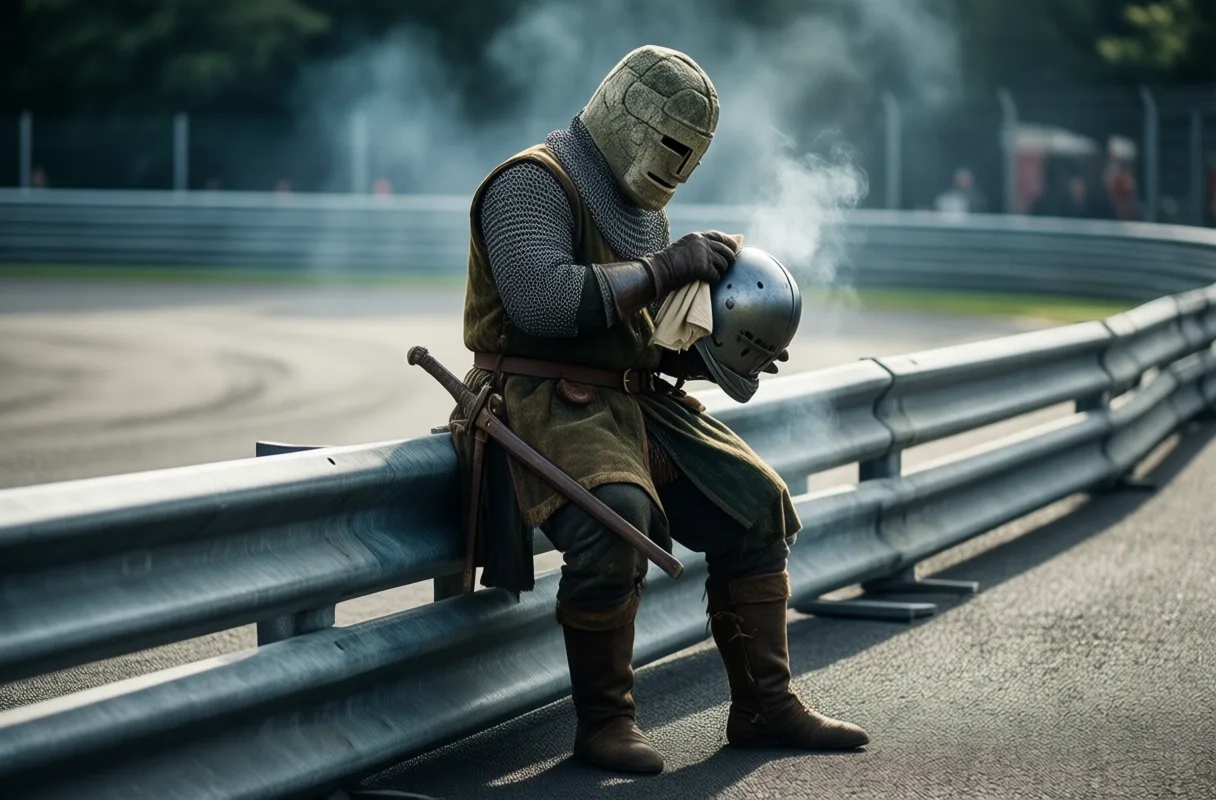
Layers of Legacy
To understand Le Mans is to accept that Heritage isn’t preserved behind glass-it’s driven, eaten, spoken, lived. The 24 Hours race, first held in 1923, wasn’t born from spectacle but necessity: to test whether cars could endure relentless use, mile after mile, hour after hour. That ethos-of resilience, ingenuity, quiet determination-still echoes in the region’s spirit.
Modern visitors might arrive chasing glamour or speed, but what stays with them are quieter moments: the mechanic wiping grease from his hands to greet his daughter at a school gate, the elderly couple pausing on a bridge to watch swans drift down the Sarthe River, the way even rush hour feels more like a polite suggestion than a demand.
The city has Changed, of course. Hotels now blend contemporary design with historic façades, offering linen sheets and espresso machines alongside windows that overlook ancient walls. Tourists outnumber residents during race week, and pop-up lounges bloom like temporary gardens near the paddock. But beneath the upgrades, something essential remains untouched-the belief that excellence takes time, whether you’re building an engine or raising a family.
A Journey Beyond the Track
Few places balance reverence and reinvention as gracefully as this corner of northern France. While other Travel Destinations Le Mans might seem to exploit their fame, here there’s a humility-an understanding that the circuit belongs to the world, but the soul of the city belongs to those who walk its lanes when the engines have stilled.
Consider spending a full day simply getting lost in the Cité Plantagenêt. Beneath vaulted cellars and behind ivy-covered doors, artisans shape pottery, restore manuscripts, and bake bread using methods unchanged for generations. One perfumer told me, “We aren’t trying to be old. We’re trying to be true.” That sentiment lingers, subtle and strong.
And then there are the drives-real ones, not simulated laps. Rent a car (preferably something with a responsive steering wheel) and trace the perimeter of the circuit at legal speeds. Feel the road rise and fall, imagine the ghosts of racers pushing limits in rain-soaked darkness. Or take a slower route through nearby villages: Allonnes, Yvré-l'Évêque, Écommoy-each with its own rhythm, its own version of French grace.
Even the landscape conspires to slow you down. Rolling hills fold into vineyards and orchards. Rivers widen into reflective pools. You begin to notice small things: the way sunlight catches a dewdrop on a spiderweb, the precise moment birdsong overtakes traffic noise. These are the luxuries no loyalty points can buy.
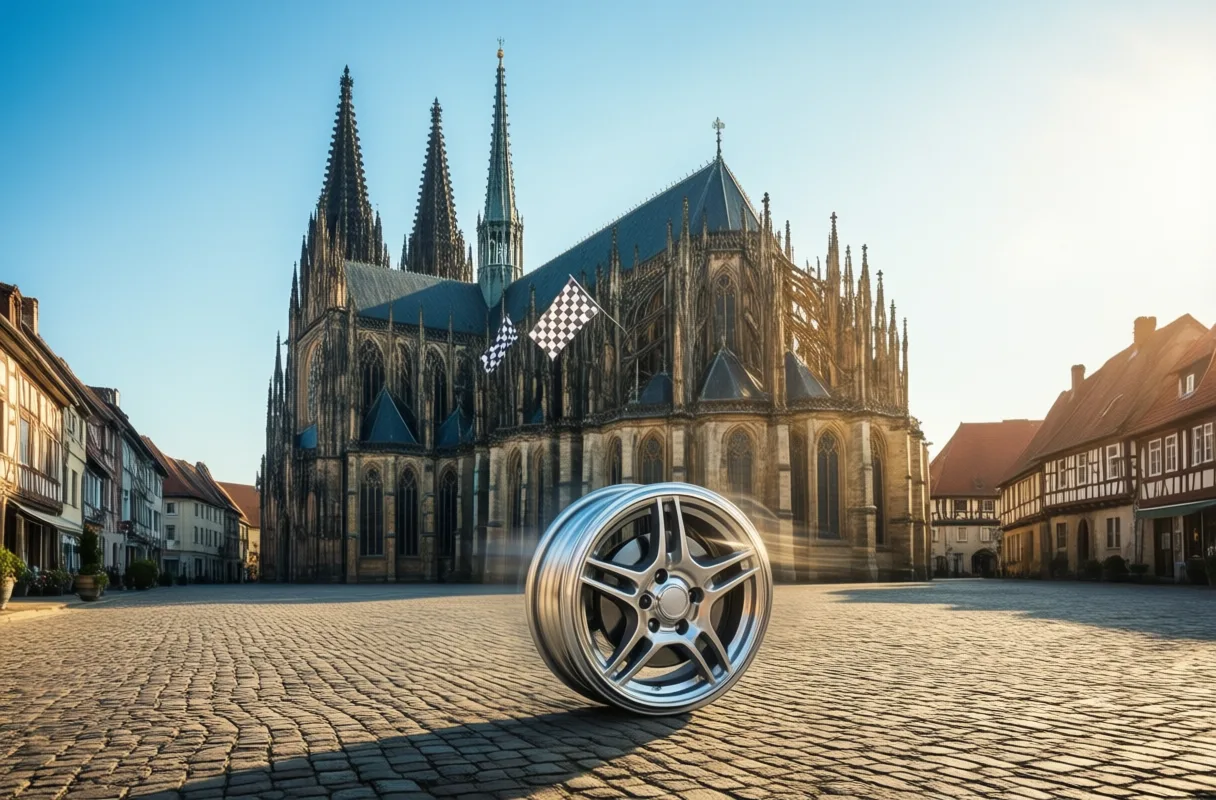
Why Le Mans Endures
Great destinations don’t shout. They reveal themselves gradually, like layers of varnish worn smooth by time and touch. Le Mans does not need to prove its significance; it simply Is-a place where Endurance is not just a race format but a philosophy of living.
You don’t have to love motorsports to feel moved here. You only need to appreciate dedication, history, and the beauty of things made well and used fully. Whether standing trackside during qualifying or sipping cider in a walled garden, you sense a continuity-an unbroken thread linking effort to elegance, speed to stillness.
So come not just for the checkered flag, but for the conversations in patisseries, the candlelit chapels, the early-morning fog clinging to fields like memory. Come to Discover That some of the most powerful journeys aren’t measured in kilometers per hour-but in moments that stop time altogether.
| Time of Day | Activity |
|---|---|
| Morning | Walk the ramparts for panoramic views |
| Afternoon | Visit the Musée des 24 Heures du Mans |
| Evening | Dine on rillettes and local wines |
More Than Just a Lap Around the Track
A Race That Rewrote the Rules
Le Mans isn't just another race-it’s the longest-running sports car race in the world, first held way back in 1923. The 24 Hours of Le Mans pushes drivers and machines to their absolute limits, demanding speed And Endurance through day and night, rain or shine. Unlike most races decided by laps, this one's won by who covers the greatest distance in 24 straight hours-imagine driving nonstop from New York to Chicago, then doing it again, all at top speed.
Where History Meets Horsepower
The Circuit de la Sarthe, where the race unfolds, blends purpose-built track with closed public roads, creating a one-of-a-kind challenge. Sections like the famous Mulsanne Straight-once so long cars hit speeds over 200 mph before chicanes were added-still send shivers down spines. Off the track, the town leans into its legacy: the Musée des 24 Heures du Mans puts you nose-to-nose with legendary race cars and tells the story of engineering grit across decades.
Charm Beyond the Checkered Flag
Between the roars of engines, Le Mans reveals a softer side. The old town, known as Le Mans Cathedral quarter, is a maze of half-timbered medieval houses that feel worlds away from the racetrack buzz. And while fans flock here for petrol-powered drama, they often leave charmed by quiet cobbled lanes, local rillettes (a savory pork spread), and the slow rhythm of French provincial life-proof that some of the best pit stops aren’t on the race schedule. Explore more stories, videos, and creators on Loaded.
Frequently Asked Questions
What is the 24 Hours of Le Mans race?
The 24 Hours of Le Mans is the longest-running sports car race in the world, first held in 1923. It is won by the team that covers the greatest distance in 24 straight hours.
Where is the race held?
The race takes place at the Circuit de la Sarthe, which combines purpose-built track with closed public roads near Le Mans, France.
What can visitors see in the old town of Le Mans?
Visitors can explore the Cité Plantagenêt, a historic area with cobbled alleys, half-timbered houses, a 13th-century cathedral, and artisan shops.
What makes Le Mans unique beyond the race?
Le Mans blends racing heritage with French provincial charm, offering quiet village life, local cuisine like rillettes, and a rhythm that values patience and tradition.
This article was produced with AI assistance. How Navigate Magazine uses AI.
Saniya delves into the intersection of travel and identity, profiling local artisans, culinary traditions, and community-led tourism initiatives. Her work highlights how travel can foster connection, equity, and deeper understanding between cultures.