Beneath a sky that melts from gold to indigo, the air carries the scent of salt and frangipani, mingling with the distant rhythm of a guitar. This is Mexico-not just a country but a living mosaic of ancient rhythms and modern elegance, where turquoise waters meet colonial plazas and desert mountains rise like sentinels of time. For the discerning traveler, these shores and cities offer more than escape; they offer transformation.
Riviera Maya: Where Jungle Meets Jewel-Toned Sea
The Riviera Maya stretches like a whispered promise along the Yucatán Peninsula, a coastline where limestone caves breathe ancient secrets and coral reefs pulse with life beneath the waves. Here, the Caribbean Doesn’t just kiss the shore-it embraces it, wrapping white-sand beaches in water so clear it seems lit from within. Luxury resorts rise thoughtfully from the jungle’s edge, their open-air palapas and private cenotes offering sanctuary without severing connection to the land.
I once woke before dawn at a quiet stretch near Tulum, the sand still cool beneath my feet, and watched a local elder light a small offering of copal near the ruins. There was no performance, only ritual-quiet, unobserved by tourists, yet deeply felt. That moment reminded me that this coast is not just a backdrop for leisure but a place where culture still Moves through The trees and tides.
Beyond the postcard beauty, the region thrives with creative energy. Artisans in nearby towns weave huipiles with threads of Mayan cosmology, while chefs reinvent coastal cuisine with smoky achiote and wild hibiscus. Whether diving into the underwater caves of Dos Ojos or sipping mezcal at a beachfront palapa, the Riviera Maya invites you to slow down and listen-to the waves, yes, but also to the stories beneath them.
- Explore the Sian Ka’an Biosphere Reserve, a UNESCO site where lagoons and mangroves shelter jaguars and manatees
- Visit a traditional temazcal ceremony led by a local guide for a grounding, spiritual experience
- Dine at intimate farm-to-table restaurants where ingredients are sourced from nearby milpas and coastal waters
Oaxaca City: A Soulful Tapestry of Color and Craft
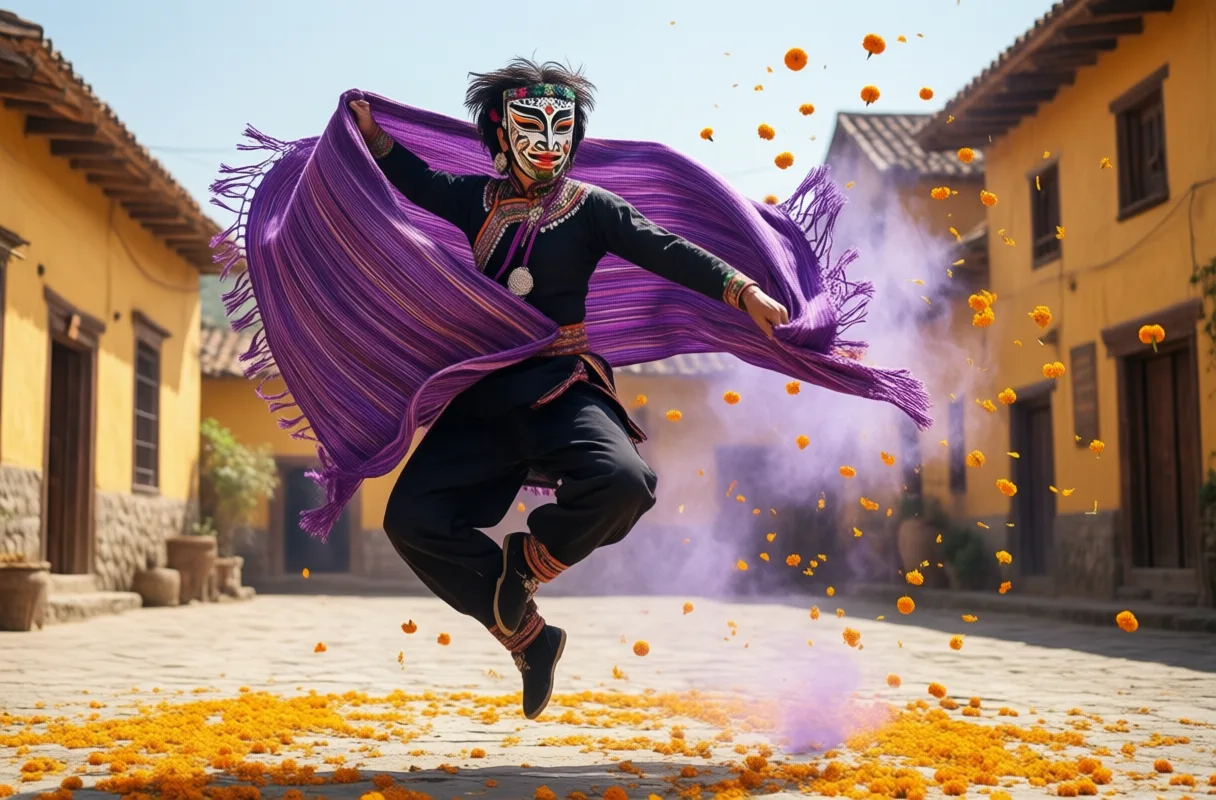
In the highlands of Southern Mexico, Oaxaca City unfolds like a dream painted in cobalt, terracotta, and saffron. The air hums with the scent of roasting coffee and masa fresh from the comal, while market stalls burst with handwoven textiles dyed with cochineal from prickly pear cacti. This is not a city that shouts; it sings-softly, insistently-in the rhythm of looms, the murmur of Zapotec dialects, and the clink of clay in artisan workshops.
I remember sitting in the courtyard of a centuries-old casa turned boutique hotel, sipping hot chocolate frothed with a molinillo, as a young potter from San Bartolo Coyotepec described how her family’s black clay has been shaped by fire for generations. “The clay remembers,” she said, “even when people forget.” In Oaxaca, memory is not archived-it is lived, worn, eaten, danced.
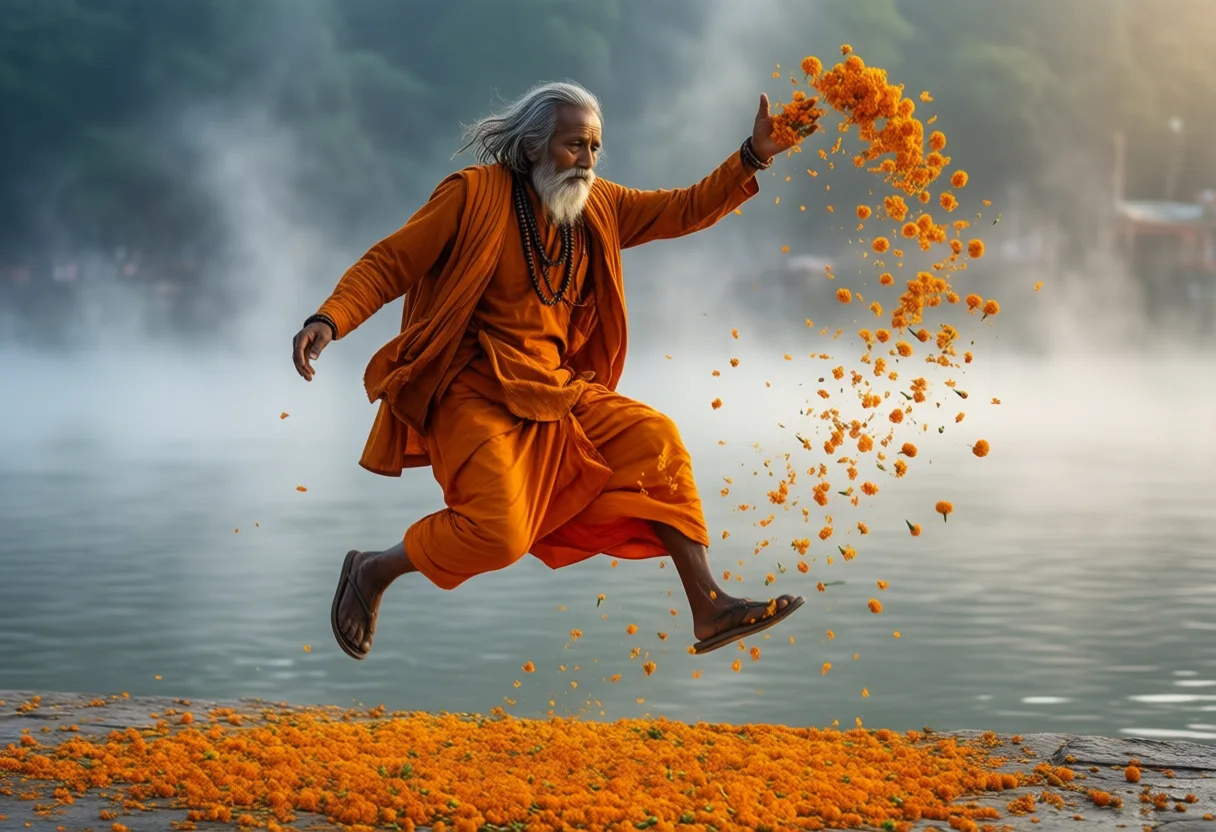
The city’s soul deepens during festivals like Día de los Muertos, when marigold petals pave the way for ancestral return and cemeteries bloom with candlelight and music. Yet even in ordinary moments-sipping tlayudas from a street vendor at midnight or tracing the glyphs at Monte Albán-the past and present feel inseparable. Oaxaca doesn’t just preserve culture; it lets it breathe, evolve, and reclaim space.
- Wander the Mercado 20 de Noviembre, where smoke from tasajo grills curls into the afternoon air
- Take a guided tour of the ancient Zapotec capital at Monte Albán, perched above the valley like a stone sentinel
- Attend a weaving demonstration in Teotitlán del Valle, where natural dyes transform wool into wearable art
Baja California Sur: Desert, Sea, and Silent Horizons
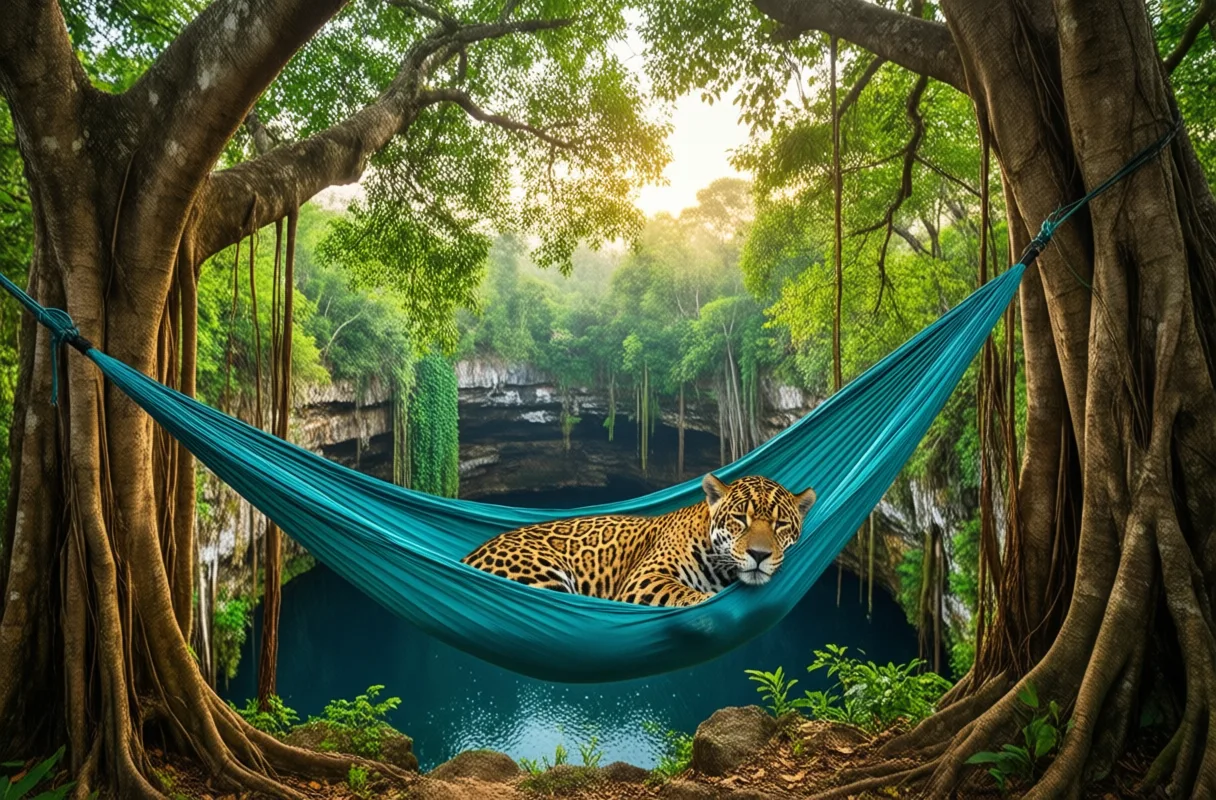
At the edge of the continent, where the Sonoran Desert spills into the Sea of Cortez, Baja California Sur feels like the last frontier of stillness. The landscape is elemental-ochre cliffs, tide pools teeming with life, and dunes that shift like breath beneath the wind. Here, luxury isn’t measured in marble or chandeliers but in solitude, in the way the light lingers at dusk, gilding the waves in silence.
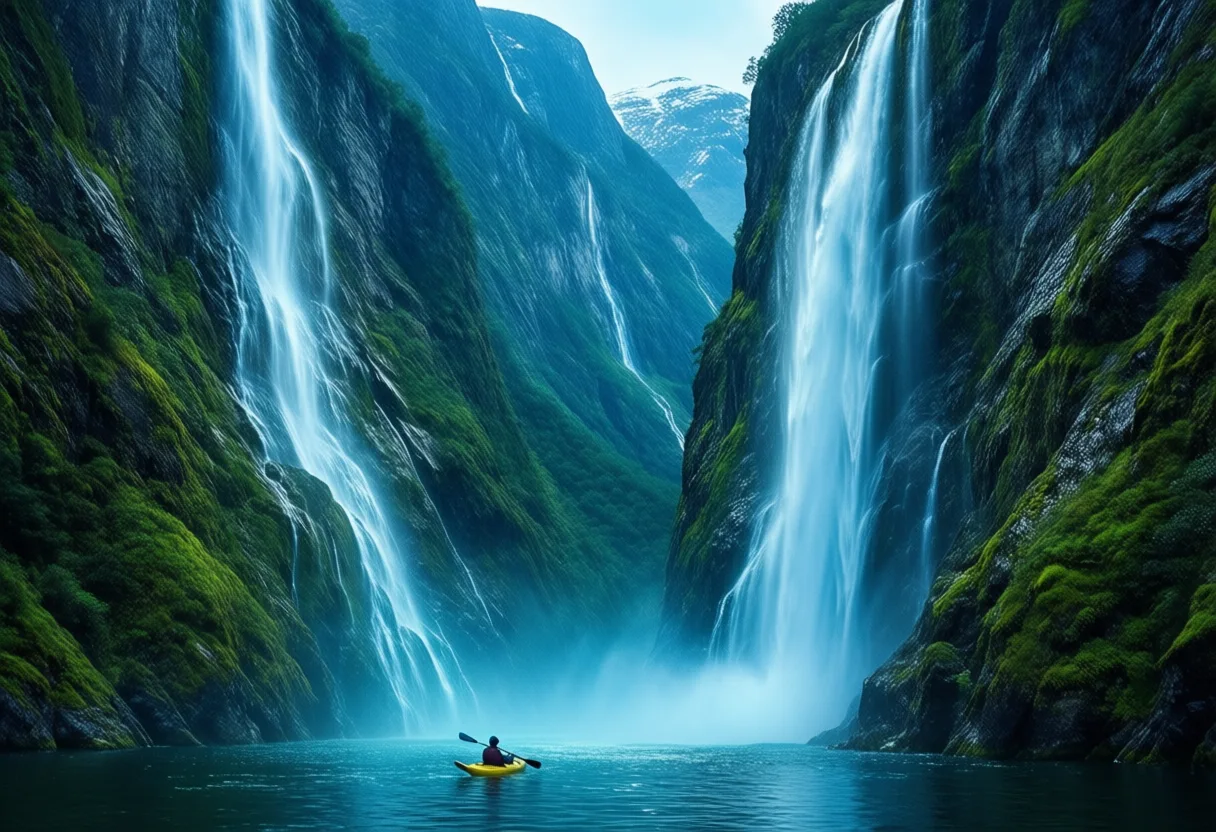
I once kayaked at sunrise near Cabo Pulmo, where the only sound was the dip of my paddle and the distant splash of a breaching whale. The reef here, one of the most robust in the region, thrives against odds, a testament to community-led conservation. It’s a reminder that beauty, when protected, can return-and flourish.
The peninsula balances wildness with refinement. Boutique eco-lodges blend into the hillsides, their design echoing the curves of the land, while chefs serve Baja Med cuisine-ceviche with local mango, grilled octopus with smoky chile. And when night falls, the sky reveals itself in a sweep of stars, unobscured by city glow, as if the universe leaned a little closer.
- Snorkel among sea lions at Los Islotes, where playful juveniles dart around swimmers with joyful curiosity
- Drive the scenic stretch of Highway 19 to Todos Santos, a surf town turned artistic haven with colonial charm
- Experience a desert-to-table dinner under the open sky, where local ingredients meet inventive, sustainable cooking
Beyond the Beach: The Heartbeat of Mexican Travel
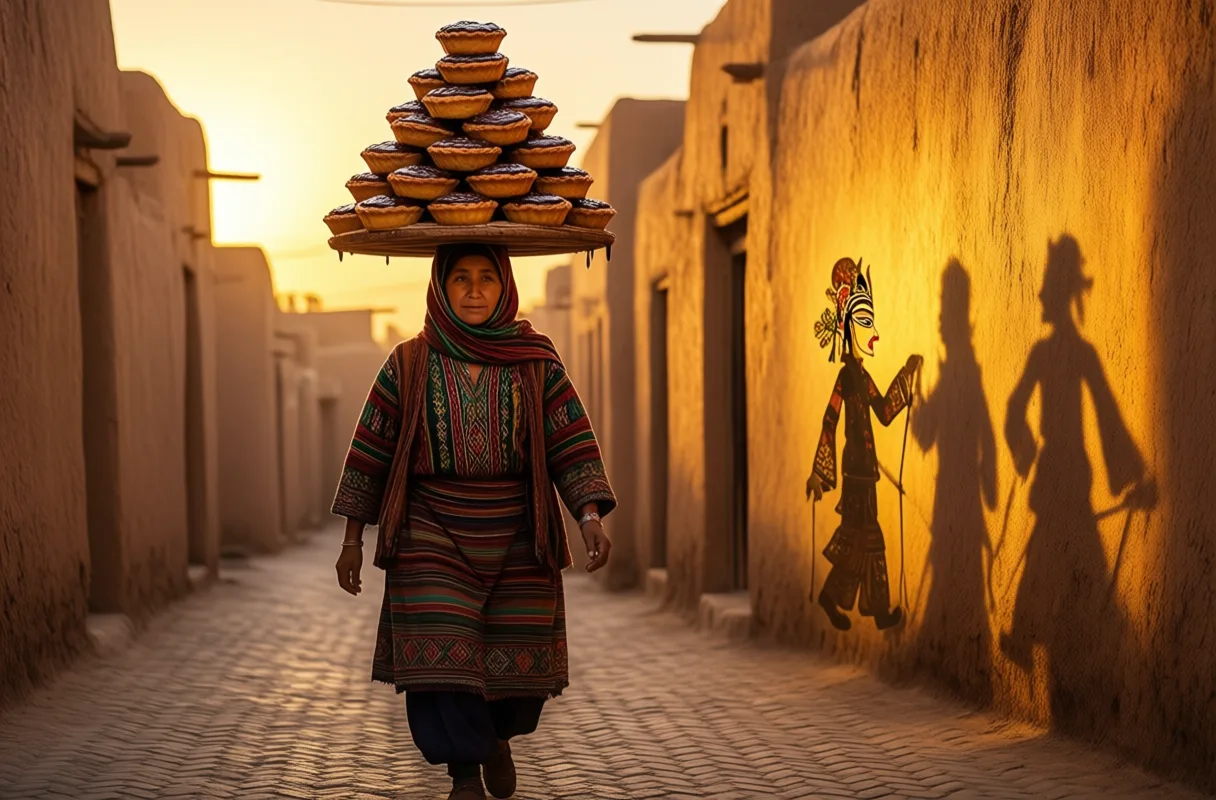
To travel Through Mexico Is to move between layers-between sun-drenched shores and highland villages, between ancient traditions and contemporary reinvention. It’s easy to fall for the postcard moments: the turquoise cove, the perfectly plated taco, the hand-painted tile. But the true richness lies in the pauses-the shared smile with a vendor, the quiet moment in a candlelit church, the taste of something made with generations of care.
Luxury, in this context, isn’t just comfort. It’s access-to authenticity, to connection, to places where time slows and meaning deepens. Whether you’re sipping coffee in a Oaxacan courtyard or watching the tide roll in from a private terrace in Baja, the most lasting souvenirs are not things but feelings: of belonging, of wonder, of being briefly, beautifully present.
So let the sun warm your skin and the sand slip between your toes. But don’t stop there. Listen. Taste. Stay a little longer. Because the real magic of travel destinations in Mexico isn’t just in where you go-it’s in who you become along the way.
Where Sun, Sand, and Storytelling Meet
Ancient Echoes on Modern Beaches
Ever swum in the same turquoise waters the Maya once considered sacred? Along the Riviera Maya, that’s totally possible. The region isn't just about powdery sand and all-inclusive resorts-ancient history bubbles up right beside your beach towel. Take Tulum, for example: it's one of the few coastal Mayan cities ever built, perched dramatically on limestone cliffs overlooking the Caribbean. Ruins like El Castillo weren’t just ceremonial; they doubled as lighthouses for traders navigating by canoe centuries ago. Even the name "Tulum" means "wall" or "fence," a nod to the stone barrier that once surrounded the city, protecting it from invaders.
Beneath the surface, another world unfolds. The Yucatán Peninsula sits atop a vast network of natural sinkholes called cenotes-formed when limestone bedrock collapsed, exposing groundwater caves. These weren’t just swimming holes; the Maya believed they were portals to the underworld, Xibalba. Today, snorkelers and divers float through cathedral-like caverns draped with ancient rock formations, tracing the same routes early inhabitants might have used. Some cenotes even hold archaeological treasures, like preserved human remains and artifacts, silently telling stories of rituals and daily life long before modern tourism arrived.
Further south, Oaxaca City offers a different rhythm-one where indigenous Zapotec and Mixtec cultures thrive in vibrant markets and colorful festivals. It’s not unusual to hear local languages spoken in the streets or see artisans using weaving and pottery techniques passed down for generations. And while it’s inland, its cultural magnetism pulls travelers seeking authenticity beyond the coast. Meanwhile, over on the Pacific side, Puerto Vallarta surprises many with its strong artistic soul-a legacy boosted by Hollywood buzz when Elizabeth Taylor filmed The Night of the Iguana There in the 1960s. That splash of fame helped put the fishing village-turned-resort on the global map, but today, it's the cobblestone streets of the Romantic Zone and fresh-caught seafood that keep visitors coming back.
Frequently Asked Questions
What makes Riviera Maya a unique travel destination in Mexico?
Riviera Maya combines turquoise waters, white-sand beaches, and ancient Mayan history. It features luxury resorts that blend with nature, cenotes believed to be portals to the underworld, and cultural experiences like diving in underwater caves and dining at farm-to-table restaurants.
Why is Oaxaca City known for its rich cultural heritage?
Oaxaca City is a center of Zapotec and Mixtec cultures, known for handwoven textiles, traditional pottery, and vibrant markets. The city hosts festivals like Día de los Muertos and offers experiences such as visiting Monte Albán and tasting regional cuisine.
What kind of natural experiences can travelers enjoy in Baja California Sur?
Travelers can snorkel with sea lions at Los Islotes, explore Cabo Pulmo’s thriving reef, and kayak in the Sea of Cortez. The region also offers stargazing and desert-to-table dinners under open skies.
How does Tulum reflect both history and modern tourism?
Tulum is a coastal Mayan city built on limestone cliffs, once protected by stone walls and used as a ceremonial site and lighthouse. Today, it stands beside luxury resorts and cenotes popular for swimming and diving.
This article was produced with AI assistance. How Navigate Magazine uses AI.
Saniya delves into the intersection of travel and identity, profiling local artisans, culinary traditions, and community-led tourism initiatives. Her work highlights how travel can foster connection, equity, and deeper understanding between cultures.