
Beneath the canopy of ancient trees and beneath skies unpolluted by city lights, a new era of travel unfolds-one where silence speaks louder than sights, and stillness becomes the rarest luxury. In 2024, the most sought-after journeys are not to bustling capitals or sun-drenched resorts, but to Places Where nature remains unscripted, untamed, and unapologetically wild.
For those who measure wealth not in miles flown but in moments of awe, these destinations offer not just escape, but transformation.
Daintree Rainforest, Australia
Time slows beneath the emerald vault of the Daintree, the oldest tropical rainforest on Earth. Here, roots coil like serpents over moss-laced stone, and the air hums with the pulse of unseen life-Ancient ferns Unfurl beside orchids that bloom once a decade.
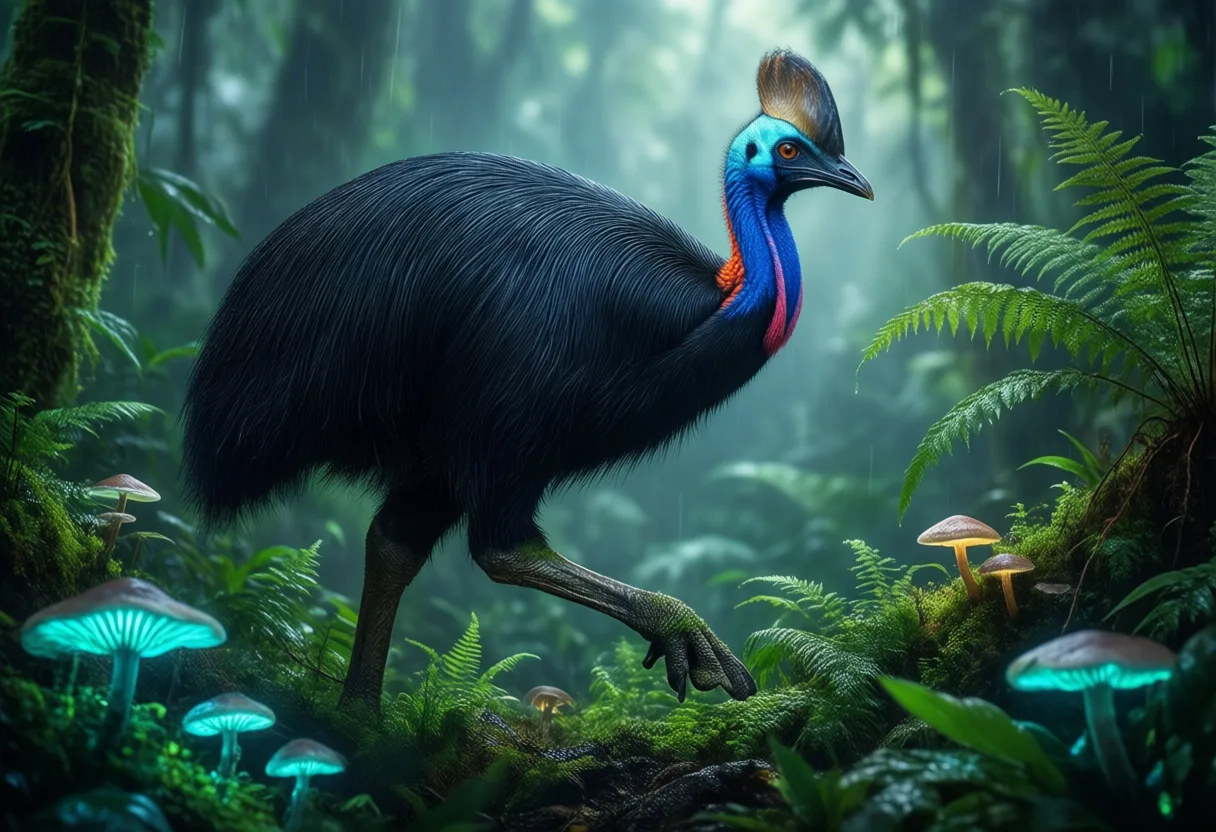
Waking at dawn, you might hear the cry of the southern cassowary, a prehistoric bird with sapphire skin and a crown like a weathered helmet, striding Through undergrowth That has changed little in 180 million years. The scent of damp earth and wild ginger rises with the mist, mingling with the distant murmur of the Coral Sea just beyond the mangroves.
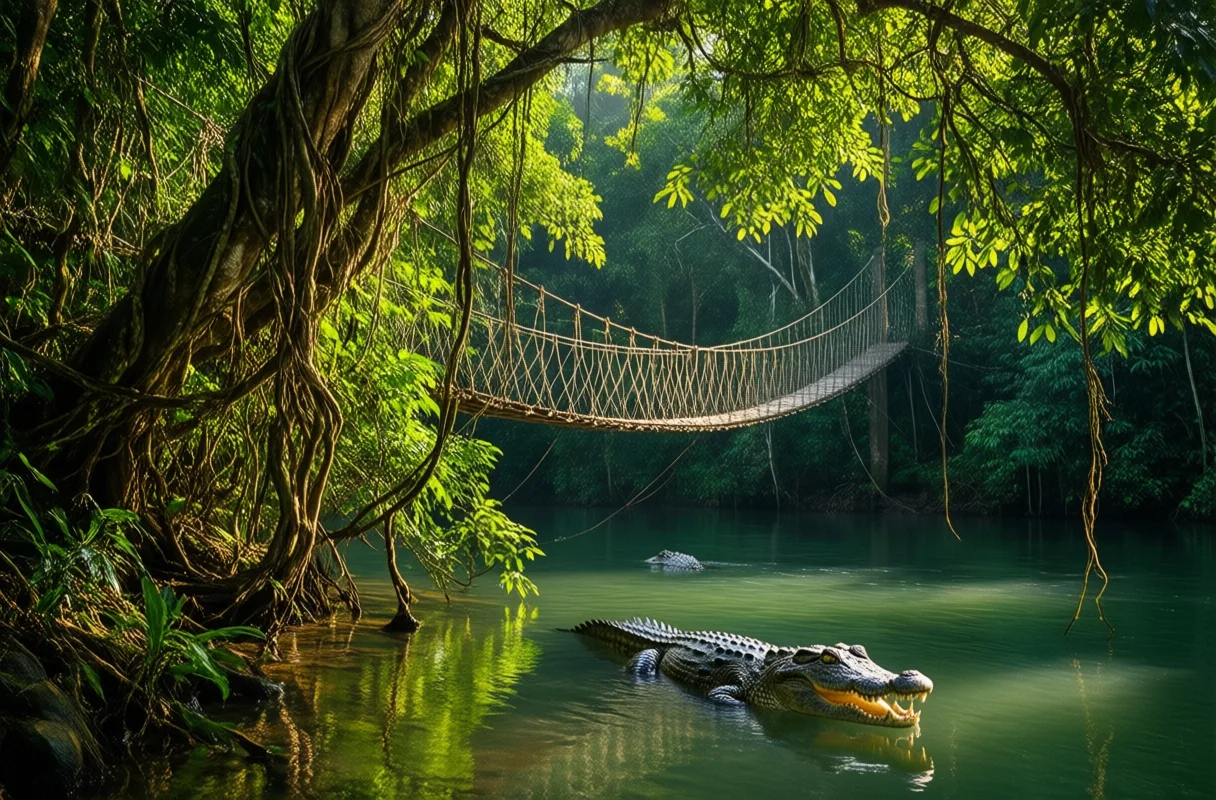
Stay in secluded eco-lodges nestled in the hills, where floor-to-ceiling glass dissolves into the forest and outdoor showers open to the canopy. Days unfold with guided walks along boardwalks that float above fragile root systems, or quiet kayak excursions through tidal creeks where saltwater crocodiles glide like shadows beneath the surface.
- Explore the forest with Indigenous Kuku Yalanji guides who share Dreamtime stories etched into the land.
- Visit coastal lookouts where the rainforest meets the Great Barrier Reef, a meeting of two UNESCO wonders.
- Unwind in open-air sanctuaries designed to harmonize with the ecosystem, not dominate it.
Yasuní National Park, Ecuador
Deep in the Amazon Basin, where rivers run dark as tea and the tree canopy forms a living ceiling, lies Yasuní-a sanctuary of staggering biodiversity. This is one of the few places on Earth where more than 150 amphibian species, 600 birds, and countless undiscovered insects coexist in a single hectare.
The Park pulses With sound: howler monkeys at dawn, the metallic buzz of cicadas at noon, and the soft rustle of kinkajous climbing through ceiba trees under moonlight. Indigenous Waorani communities live in voluntary isolation here, their ancestral knowledge woven into the forest’s survival.
Accommodations are intimate and intentional-low-impact lodges powered by solar energy, built on stilts to preserve the forest floor. Days are spent gliding through blackwater lagoons in silent canoes, spotting pink river dolphins or hoatzins, birds with flamboyant crests and a digestive system like a cow’s.
- Navigate narrow tributaries where giant otters play and anacondas rest on sun-warmed logs.
- Participate in reforestation initiatives led by local conservationists.
- Learn about the delicate balance between oil reserves beneath the soil and the irreplaceable life above it.
Tongass National Forest, Alaska
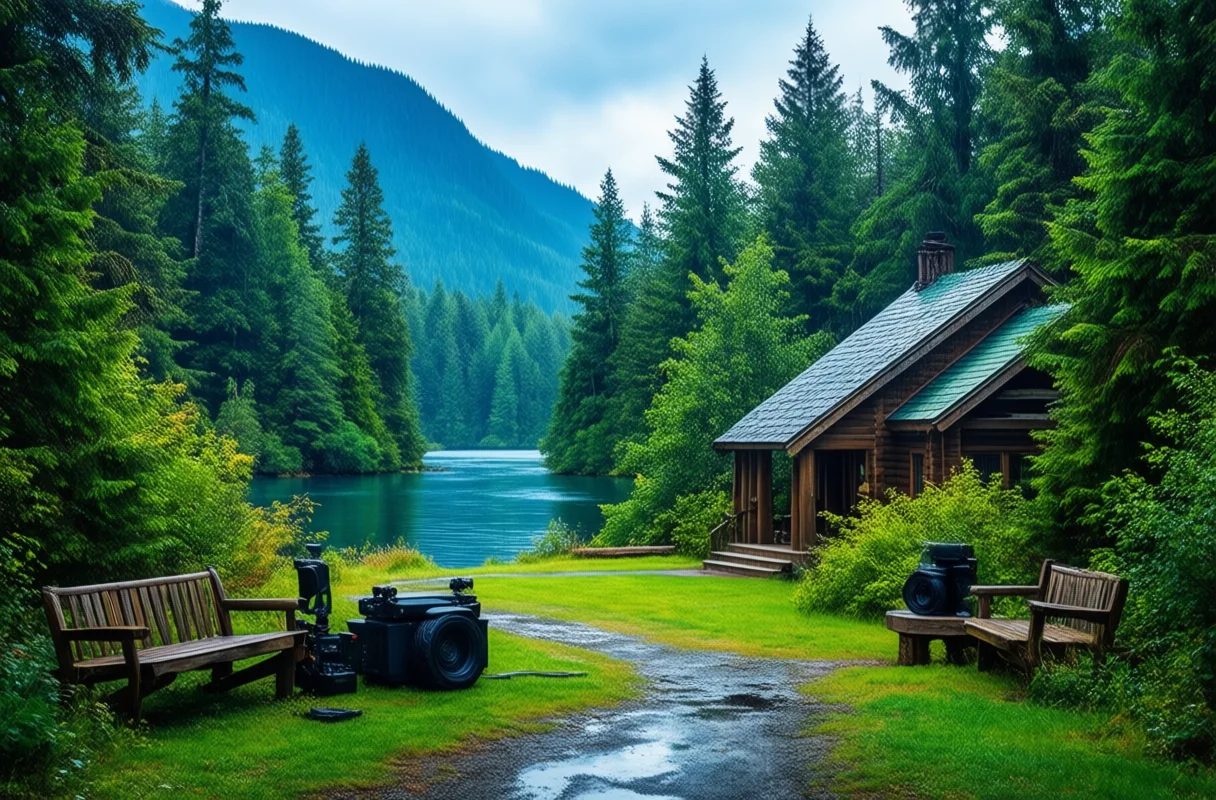
Stretching across nearly 17 million acres of the Alaskan Panhandle, the Tongass is the largest intact temperate rainforest in the world-a realm of mist, muskeg, and towering spruce. Glaciers carve their way toward the sea while brown bears fish for salmon in rivers so clear you can count the stones beneath.
In summer, the light lingers, casting a golden hue over fjords where humpback whales breach in slow motion. Bald eagles perch on dead snags, and black bears amble through tidal flats, turning over rocks in search of crabs.
Travel here is by small boat or floatplane, landing at remote lodges accessible only by air or water. These retreats blend rugged elegance with ecological responsibility-think handcrafted cedar cabins with panoramic views and meals sourced from local halibut and wild berries.
- Embark on guided bear-viewing excursions from blinds perched near spawning streams.
- Kayak through quiet coves where sea lions bark and otters float on their backs, cracking open shellfish.
- Hike trails that wind through moss-draped forests, where every step feels like walking through a living cathedral.
Atacama Desert, Chile
At first, the Atacama appears lifeless-a lunar landscape of salt flats, cracked earth, and volcanoes that pierce the sky like sentinels. But beneath its austere surface thrives a quiet resilience: flamingos wade in turquoise lagoons, vicuñas graze on high-altitude grasses, and geysers erupt in rhythmic bursts at dawn.
This is the driest non-polar desert on Earth, where rain is a rumor and the stars burn with unmatched clarity. At night, the Milky Way spills across the dome of the sky, so vivid it feels within reach.
Luxury here means minimalist design in harmony with the elements-adobe-walled sanctuaries with heated floors, open courtyards, and pools filled with geothermal water. Days begin with sunrise over the Valley of the Moon, where wind-sculpted dunes glow in shades of copper and rose.
- Soak in natural thermal springs surrounded by silence broken only by the wind.
- Visit high-altitude observatories where astronomers chart the cosmos from one of the clearest vantage points on the planet.
- Cycle through salt flats where mirror-like surfaces reflect the sky, blurring earth and heaven.
Wadi Rum Protected Area, Jordan
Wadi Rum is not a desert-it is a poem written in sand and stone. Rose-hued cliffs rise like ancient monoliths from a sea of crimson dunes, their surfaces carved by centuries of wind into arches, alcoves, and shadowed grottos.
Bedouin families have roamed this landscape for generations, their camels moving with quiet grace across the open wadis. Their presence adds a human rhythm to the vastness, a reminder that solitude need not mean emptiness.
Stay in canvas tents with Persian rugs and brass lanterns, where evenings unfold with slow-cooked lamb and stories told under a sky thick with stars. The silence here is profound, broken only by the crackle of a fire or the distant call of a fox.
- Ride camels at sunset, when the sand glows like embers and the cliffs deepen to burgundy.
- Climb ancient rock formations with local guides who know every hidden spring and petroglyph.
- Sleep beneath the open sky in bubble domes that frame constellations in perfect clarity.
Sagarmatha National Park, Nepal
At the roof of the world, where the air thins and every breath is a conscious act, Sagarmatha cradles the peaks of the Himalayas like a sacred offering. Everest rises not as a trophy to conquer, but as a presence-immovable, indifferent, and deeply revered.
The journey begins in Namche Bazaar, a village strung across a mountainside, where prayer flags flutter like whispered mantras in the wind. Yaks carry supplies along stone trails, and monasteries cling to cliffs, their bells ringing faintly in the cold air.
Teahouses offer simple warmth-wood-fired stoves, thick blankets, and bowls of dal bhat-while high-altitude lodges provide sanctuary for those acclimatizing before ascending further. The rhythm of travel here is slow, deliberate, almost meditative.
- Walk the Everest Base Camp trail, where each switchback reveals new vistas of ice and sky.
- Visit Tengboche Monastery during festival season, when masked dancers move in ritual circles.
- Witness sunrise on Kala Patthar, when Everest catches fire in golden light.
Sarek National Park, Sweden
Few travelers set foot in Sarek, and that is precisely its grace. Deep in Swedish Lapland, this is wilderness in its purest form-no marked trails, no lodges, no signs of man beyond the occasional Sami reindeer enclosure.
Glaciers feed wild rivers that carve through deep valleys, while jagged peaks like Sarektjåkkå rise like broken teeth against the Arctic sky. The land is raw, unsoftened by convenience, and all the more powerful for it.
To visit is to embark on a true expedition-hiking for days with a full pack, camping beside rushing streams, and learning to read the weather in the shape of clouds. The Sami people have lived here for millennia, following the reindeer across seasons, their lives shaped by the land’s demands.
- Trek across tundra where clouds skim the heather and rivers change course overnight.
- Spot wolverines, lynx, and golden eagles in a landscape untouched by roads.
- Experience the midnight sun in summer or the silent hush of winter, when the aurora dances overhead.
Great Blue Hole, Belize
From above, the Great Blue Hole is a perfect circle of indigo, a dark eye in the turquoise skin of the Caribbean. Below the surface lies a cathedral of limestone-massive stalactites hang like chandeliers in an underwater cavern, formed when the world was colder and the sea much lower.
Diving here is not for the faint of heart. The descent plunges beyond 40 meters, where light fades and the silence becomes absolute. Reef sharks glide past in slow spirals, indifferent to the rare visitors who drift through this submerged relic of the Ice Age.
Liveaboard vessels offer the only access, their decks lit by lanterns at night, their cabins rocking gently with the swell. The experience is elemental-salt on the skin, the hiss of oxygen, and the awe of floating inside a geological memory.
- Dive with experienced guides trained in deep-cave protocols.
- Explore the outer reef walls where eagle rays and hammerheads patrol.
- Float above coral gardens teeming with parrotfish, angelfish, and sea fans.
Palau’s Rock Islands Southern Lagoon
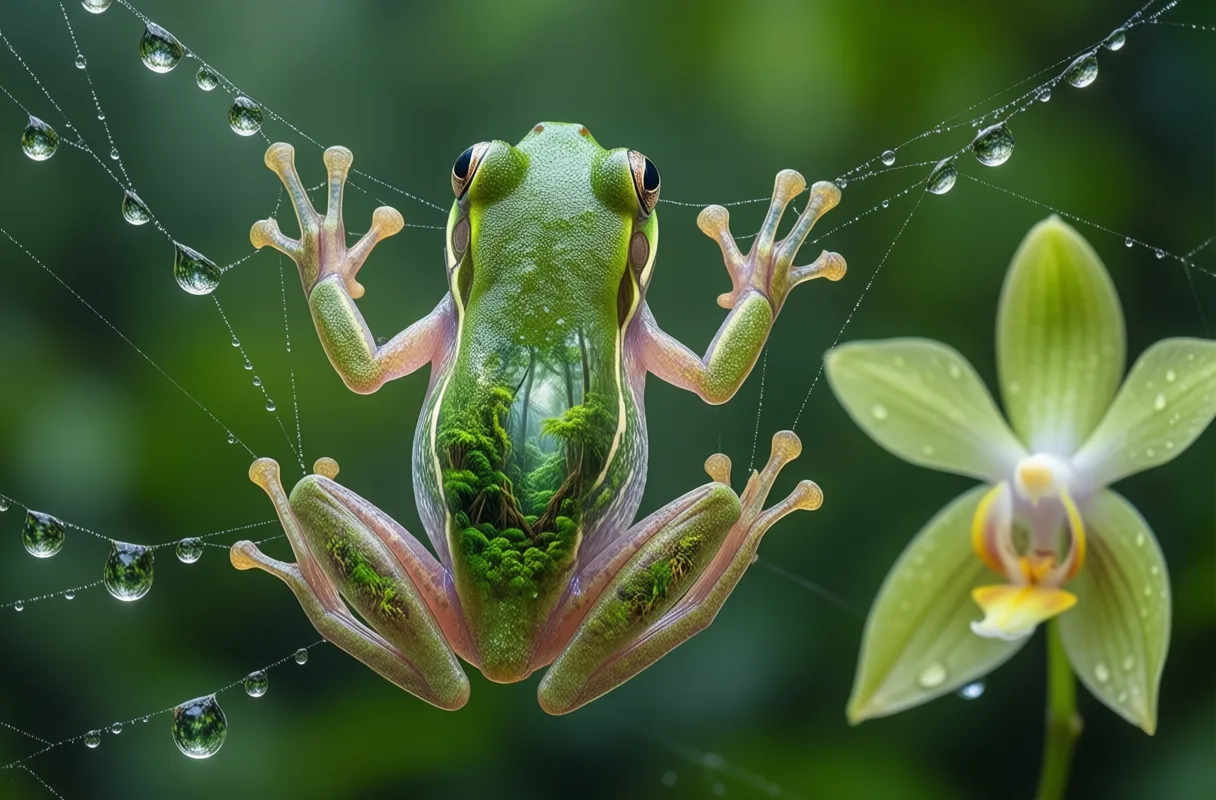
Two hundred mushroom-shaped islands rise from the South Pacific, cloaked in jungle and fringed with coral. The Rock Islands are not just beautiful-they are a living laboratory of evolution, where isolated marine lakes have given rise to species found nowhere else.
One such lake holds millions of golden jellyfish that migrate daily across the water, pulsing in unison like a heartbeat. Snorkeling among them is surreal-no stings, no fear, only the quiet rhythm of life adapting in solitude.
Resorts here are built with reverence-overwater bungalows on stilts, solar-powered amenities, and strict no-anchor zones to protect the reef. Every stay includes a conservation fee, ensuring that tourism supports preservation.
- Kayak through hidden lagoons accessible only at high tide.
- Snorkel in Jellyfish Lake during the early morning, when the water is calmest.
- Visit ancient rock art sites hidden in sea caves, their symbols worn by time.
Gorongosa National Park, Mozambique
Once scarred by conflict, Gorongosa has risen like a phoenix-its grasslands now thick with zebra, buffalo, and antelope, its skies filled with the cries of fish eagles and carmine bee-eaters. This is one of Africa’s greatest conservation success stories, a testament to resilience.
Reintroduced elephants move in family herds, their young learning the ancient routes to water. Hippos grunt in the floodplains, and lions patrol the edges of the escarpment, their eyes catching the last light.
Luxury takes the form of eco-camps with canvas walls and open-air showers, where evenings are spent around fires listening to hyenas laugh in the distance. Scientists work alongside rangers, and visitors are invited to join citizen science projects-tracking animals, planting trees, restoring balance.
- Take guided walks with former poachers turned conservationists, whose knowledge is unmatched.
- Fly over the park in a small plane, tracing the curve of the Rift Valley below.
- Visit community schools and farms supported by park revenues, where conservation meets compassion.
Knepp Wildland, United Kingdom
In the heart of Sussex, where England once farmed its fields into silence, a revolution blooms in wildness. Knepp is not a Park-it is a rewilding experiment, where grazing animals roam freely, rivers meander naturally, and nightingales sing in thickets unseen for generations.
Pioneer species return: purple emperor butterflies, turtle doves, and even the elusive otter. The land breathes again, unshackled from ploughs and pesticides, its rhythms guided not by profit but by possibility.
Stay in glamping tents or shepherd’s huts nestled in the woods, where breakfast arrives with honey from wild bees and sausages from free-roaming pigs. Walks are led by ecologists who read the landscape like a story-each hoofprint, each birdcall a sentence in a larger narrative.
- Join dawn safaris to spot fallow deer in misty clearings.
- Learn about trophic cascades-the way a single species can reshape an entire ecosystem.
- Feel the quiet pride of witnessing nature’s return, not as a visitor, but as a witness.
Wild Wonders Worth Wandering
Unexpected Encounters in the Wild
Costa Rica’s Monteverde Cloud Forest hides a secret: it’s home to around 2.5% of the planet’s biodiversity, all packed into one misty mountain region. You might spot a bright red strawberry poison dart frog no bigger than your thumbnail or hear the eerie call of a resplendent quetzal echoing through the trees. These forests stay damp not from rain alone, but from clouds that drift through the canopy, dripping moisture that feeds mosses, orchids, and bromeliads clinging to every branch.
In Namibia’s otherworldly Sossusvlei, some dunes tower over 300 meters-among the tallest on Earth-and burn a deep rust-red thanks to iron oxide. The surrounding desert blooms only once every few years when rare rains trigger a carpet of wildflowers so vast it can be seen from space. Few realize this arid stretch also shelters desert-adapted elephants that travel up to 70 kilometers in search of water, navigating by memory across generations.
Far beneath the surface in Vietnam’s Phong Nha-Kẻ Bàng National Park lies Son Doong Cave-the largest known cave passage on the planet. It’s so massive that inside, jungle grows under natural skylights, clouds form in its chambers, and a river cuts through like a subterranean highway. Local forest rangers first spotted the entrance in the 1990s, but it wasn’t fully explored until 2009, revealing a Hidden world With its own weather system. Explore more stories, videos, and creators on Loaded.
Frequently Asked Questions
What makes the Daintree Rainforest unique for nature lovers?
The Daintree is the oldest tropical rainforest on Earth, with ancient ferns, rare orchids, and the prehistoric southern cassowary. It meets the Great Barrier Reef, creating a convergence of two UNESCO World Heritage sites.
Why is Yasuní National Park considered a biodiversity hotspot?
Yasuní hosts more than 150 amphibian species, 600 bird species, and countless undiscovered insects in a single hectare. It lies deep in the Amazon Basin and supports life like pink river dolphins and hoatzins.
Where can travelers see the Milky Way most clearly in these destinations?
The Atacama Desert in Chile offers some of the clearest night skies on Earth due to its status as the driest non-polar desert. Stars appear within reach, and observatories operate from this pristine vantage point.
How does Gorongosa National Park contribute to conservation and community development?
Gorongosa is a conservation success story where reintroduced wildlife thrives and former poachers work as guides. Park revenues support local schools and farms, linking ecological recovery with community well-being.
This article was produced with AI assistance. How Navigate Magazine uses AI.
Elara explores high-end resorts and boutique accommodations, focusing on immersive guest experiences and sustainable opulence. She seeks out properties where design, service, and local culture converge to create meaningful stays that go beyond comfort into storytelling.