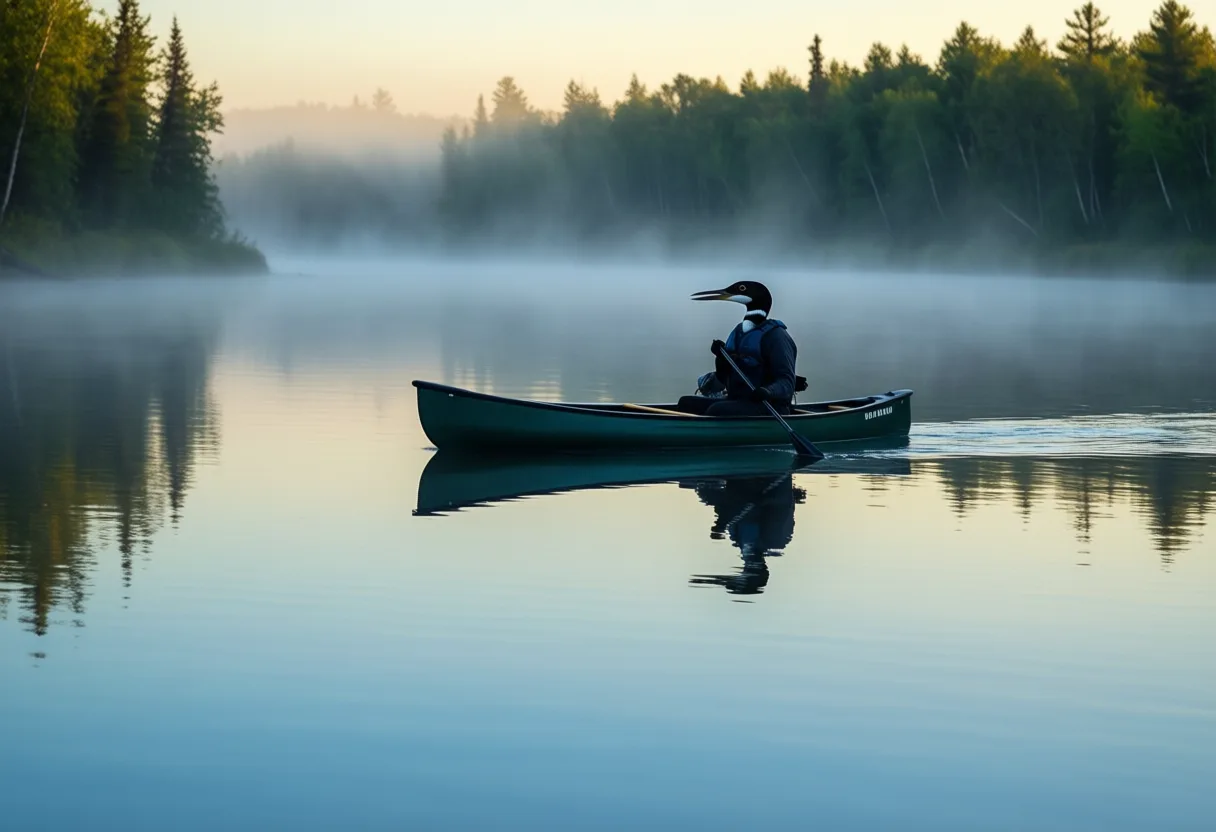
Where Mountains Meet the Sea: The Untamed Majesty of Fiordland
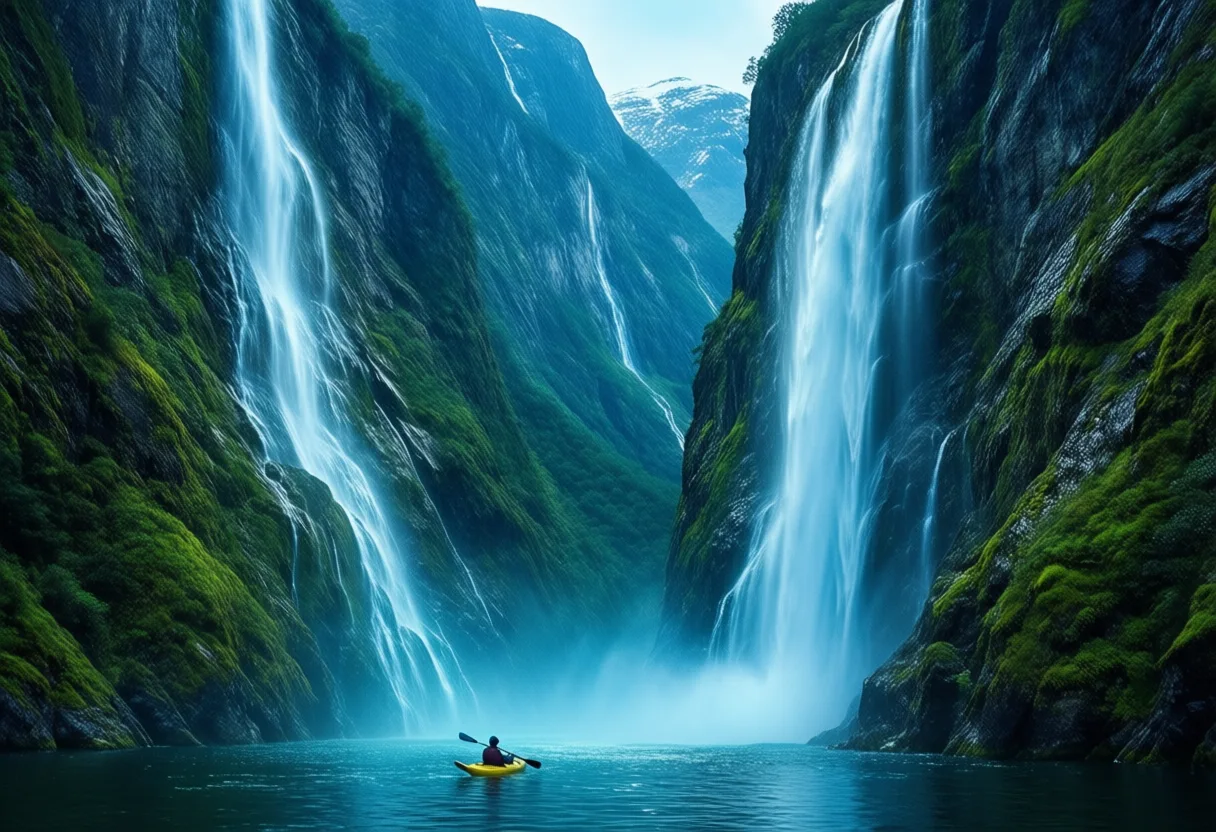
Few places On Earth balance drama and serenity as effortlessly as Fiordland. Here, where the Southern Alps cradle a labyrinth of inlets carved by ancient glaciers, the air hums with a quiet reverence-mist curling around sheer rock faces, waterfalls tumbling from moss-draped cliffs like liquid silver. This is not a landscape to be rushed; it reveals itself in layers, through the slow glide of a luxury launch across mirror-still waters or the hush of a rainforest trail carpeted in fern and silence.
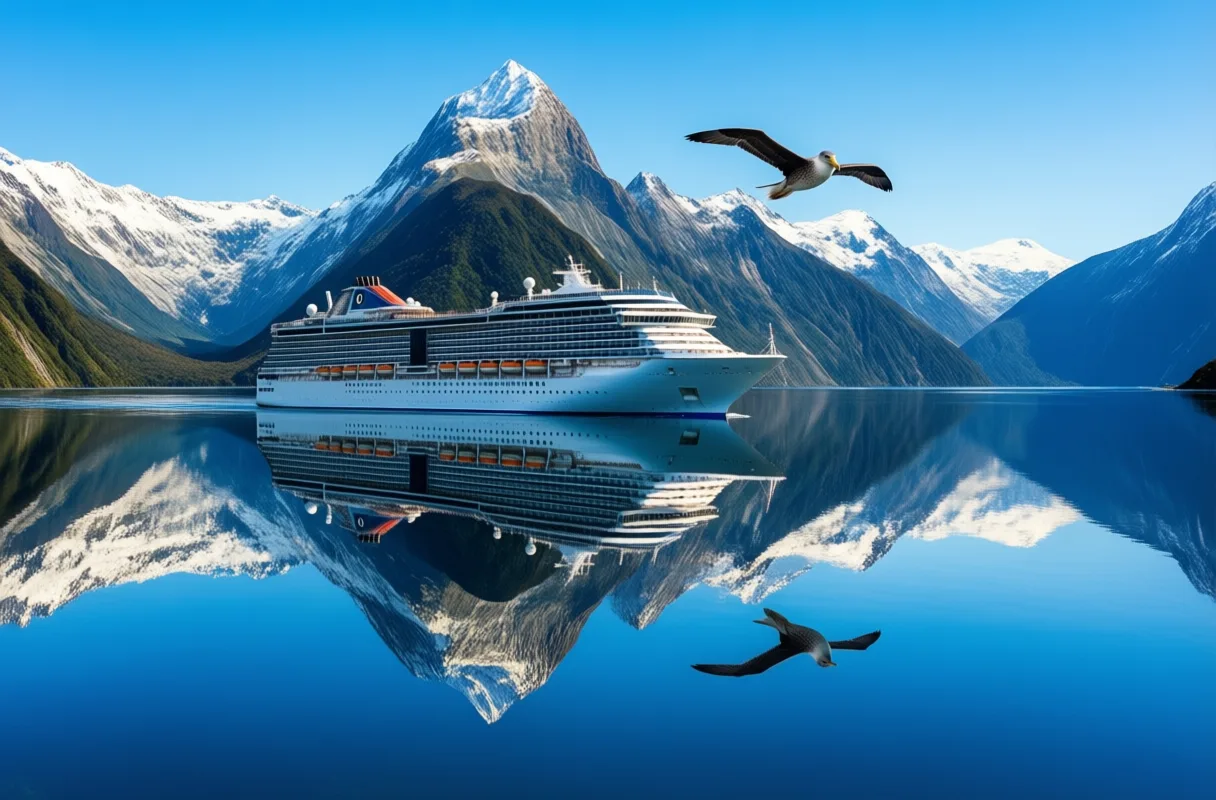
Fiordland’s crown jewel, Milford Sound, draws travelers not for spectacle alone, but for the profound sense of immersion it offers. Sheer granite walls rise over a kilometer from the inky depths, their surfaces streaked with seasonal waterfalls that appear and vanish with the rain. At dawn, when the first light gilds the peak of Mitre Peak, the sound becomes a cathedral of Natural acoustics-birdsong echoing across the water, the distant crack of calving ice, the soft lap of waves against the hull of a boutique cruise vessel.
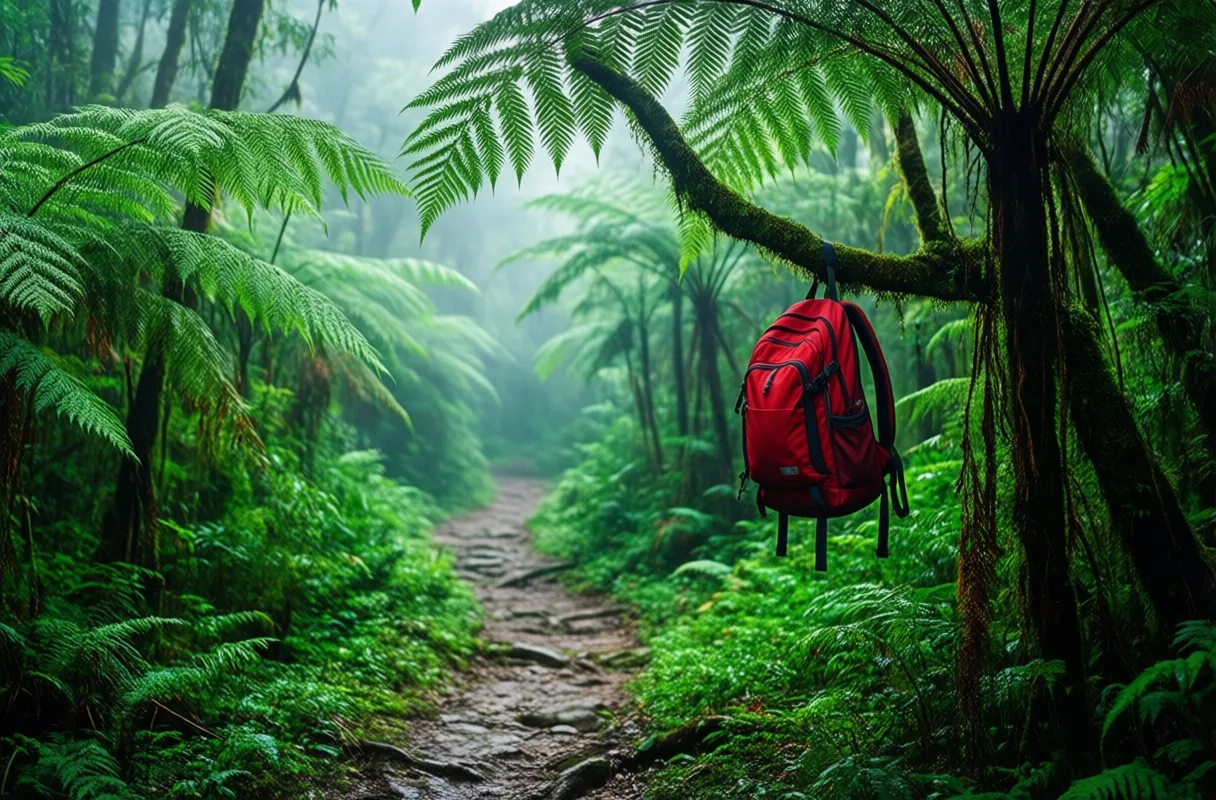
Luxury here is measured not in gilded rooms but in access and stillness. Private charters glide past seal colonies basking on sun-warmed rocks, while guided kayaking excursions slip into hidden coves where the only footprints are those of kea parrots. For those who trek, the Milford Track remains a pilgrimage-A multi-day journey Through alpine Passes, ancient beech forests, and cascading streams, where high-end lodges offer fireside wine and panoramic views after a day of quiet exertion.
Beneath the Surface: Rotorua’s Living Earth
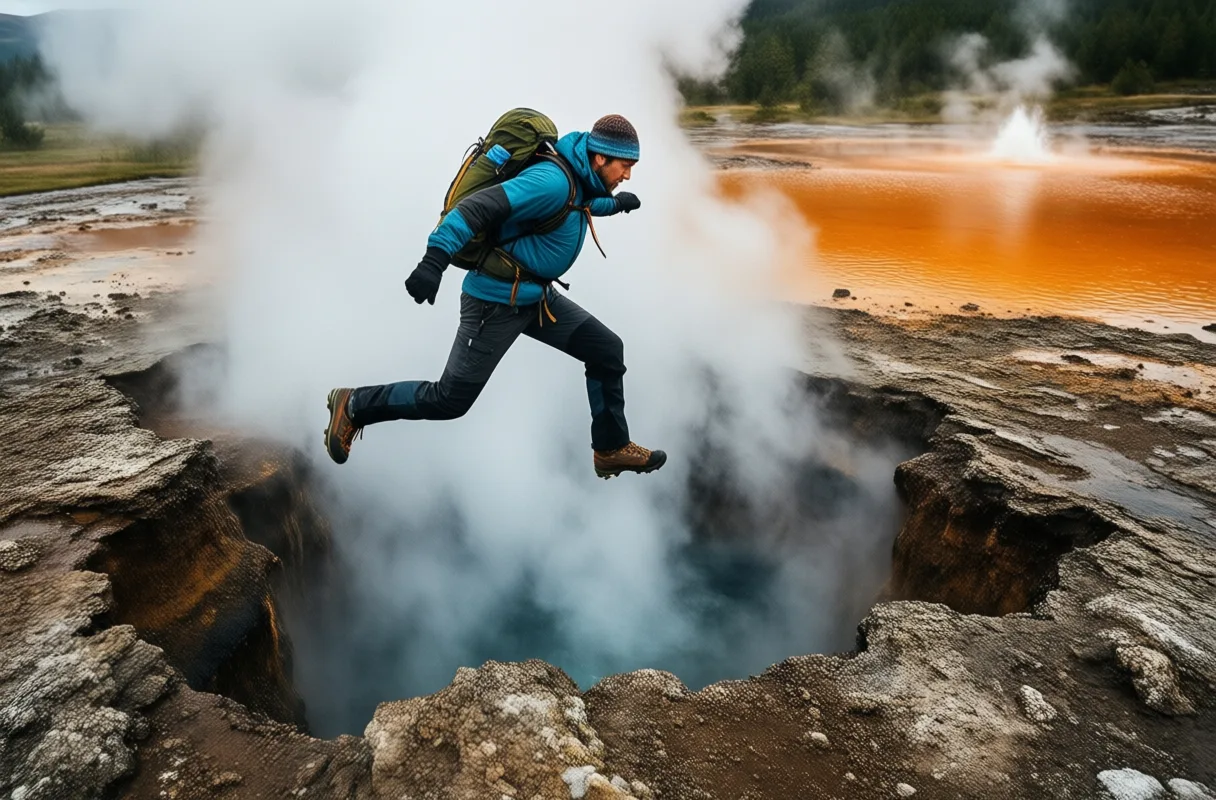
In Rotorua, the ground breathes. Steam spirals from cracks in the earth, sulfur scents the air like a memory of fire, and turquoise pools simmer under open skies-this is a landscape shaped by forces still at work. The geothermal activity that defines the region is not a spectacle to be observed from a distance; it is an experience to be felt underfoot, smelled in the breeze, and witnessed in the vibrant mineral hues that stain the earth like a painter’s palette.
The geysers here erupt with theatrical timing, but the true luxury lies in the intimate moments: soaking in a secluded thermal spring as dusk settles, the sky deepening to indigo while warm mineral water eases the body into stillness. Traditional Māori culture is interwoven with the land’s energy, and visitors are welcomed into experiences that honor this connection-feasts cooked underground by geothermal heat, songs performed in open-air marae where steam rises like ancestral whispers.
Rotorua’s offerings extend beyond the thermal. Mountain bikers carve through redwood forests at Whakarewarewa, where single tracks wind past bubbling mud pools and steaming vents. For those seeking refinement, lodges on the outskirts of town blend contemporary design with native timber and volcanic stone, offering spa treatments infused with geothermal minerals. The rhythm of Rotorua is primal, yet the comforts are modern-a Harmony of Raw nature And thoughtful indulgence.
The Art of Slow Discovery: Crafting Your New Zealand Journey
To travel through Fiordland and Rotorua is to embrace a different tempo-one where arrival matters less than presence. These are not destinations to be checked off a list, but landscapes to be felt in the bones. The most memorable moments often come unscripted: a pod of dolphins riding the bow wave of a departing yacht, or the sudden hush of a forest after rainfall, when every leaf glistens and the air tastes clean and new.
Consider beginning in Fiordland with a private flight over the sounds, where the patchwork of forest, water, and sky unfolds like a living map. Transition to Rotorua with intention, allowing days between regions to recalibrate, perhaps with a quiet stop in Queenstown or a lakeside retreat in Taupō. Pacing is essential-the magic of these places deepens with time, not speed.
For the discerning traveler, the journey is as curated as it is wild. Local guides-many of Māori descent-offer narratives that go beyond geology, sharing legends that bind people to place. Whether dining on wild-caught seafood under a canopy of stars or unwinding in a thermal suite with views of distant peaks, the experience is elevated not by opulence alone, but by A sense of belonging to something Ancient And alive. In New Zealand’s most elemental landscapes, luxury is not imposed-it is revealed.
| Feature | Location | Description |
|---|---|---|
| Mitre Peak | Fiordland | Over 1,600 meters high, one of the steepest mountain faces in the world |
| Milford Track | Fiordland | Multi-day trek through alpine passes and ancient beech forests |
| Pōhutu Geyser | Rotorua | Erupts up to 20 times daily, reaches over 30 meters in height |
| Geothermal activity | Rotorua | Includes steam vents, mud pools, and natural hot springs |
| Hāngī meal | Rotorua | Traditional food cooked underground using geothermal heat |
Fiordland’s Secrets and Rotorua’s Roar
Where Giants Sleep and Mountains Weep
Fiordland National Park Holds more than just jaw-dropping scenery-it’s home to Mitre Peak, a towering sentinel that rises straight from the waters of Milford Sound. This dramatic spike isn’t just photogenic; it's one of the steepest mountain faces in the world, climbing over 1,600 meters in less than a kilometer. And when it rains here-frequently-the landscape transforms: hundreds of temporary waterfalls streak down the cliffs, giving rise to the nickname “The Eighth Wonder of the World.” Locals say there are so many cascades during heavy rain that they’ve earned their own names, like Lady Alice Falls and Stirling Falls, each adding to the symphony of rushing water.
Bubbling Ground and Ancient Traditions
In Rotorua, the earth isn’t just alive-it talks. Steam vents, bubbling mud pools, and geysers mark this region as part of the Pacific Ring of Fire, where tectonic forces push heat close to the surface. One of the most famous features, Pōhutu Geyser in Te Puia, erupts up to 20 times a day, shooting boiling water over 30 meters into the air. This geothermal activity has sustained Māori communities for centuries, who’ve used hot springs for cooking, healing, and warmth. Even today, you can try a traditional hāngī meal-food slow-cooked using heated rocks buried in the ground, warmed by nature’s own oven. Explore more stories, videos, and creators on Loaded.
Frequently Asked Questions
What makes Fiordland a unique travel destination?
Fiordland offers a dramatic landscape of ancient glaciers, sheer rock faces, and seasonal waterfalls. It provides immersive experiences like luxury cruises, kayaking, and the renowned Milford Track trek.
What geothermal features can be seen in Rotorua?
Rotorua features geysers like Pōhutu, bubbling mud pools, steam vents, and hot springs. These are part of the Pacific Ring of Fire and reflect ongoing geothermal activity.
How do Māori traditions connect with Rotorua’s geothermal environment?
Māori communities have used geothermal heat for cooking, healing, and warmth for centuries. Traditional hāngī meals are still prepared using heated rocks warmed by the earth.
What is special about Mitre Peak in Fiordland?
Mitre Peak rises over 1,600 meters in less than a kilometer, making it one of the steepest mountain faces in the world. It rises dramatically from Milford Sound and is often shrouded in mist.
This article was produced with AI assistance. How Navigate Magazine uses AI.
Elara explores high-end resorts and boutique accommodations, focusing on immersive guest experiences and sustainable opulence. She seeks out properties where design, service, and local culture converge to create meaningful stays that go beyond comfort into storytelling.