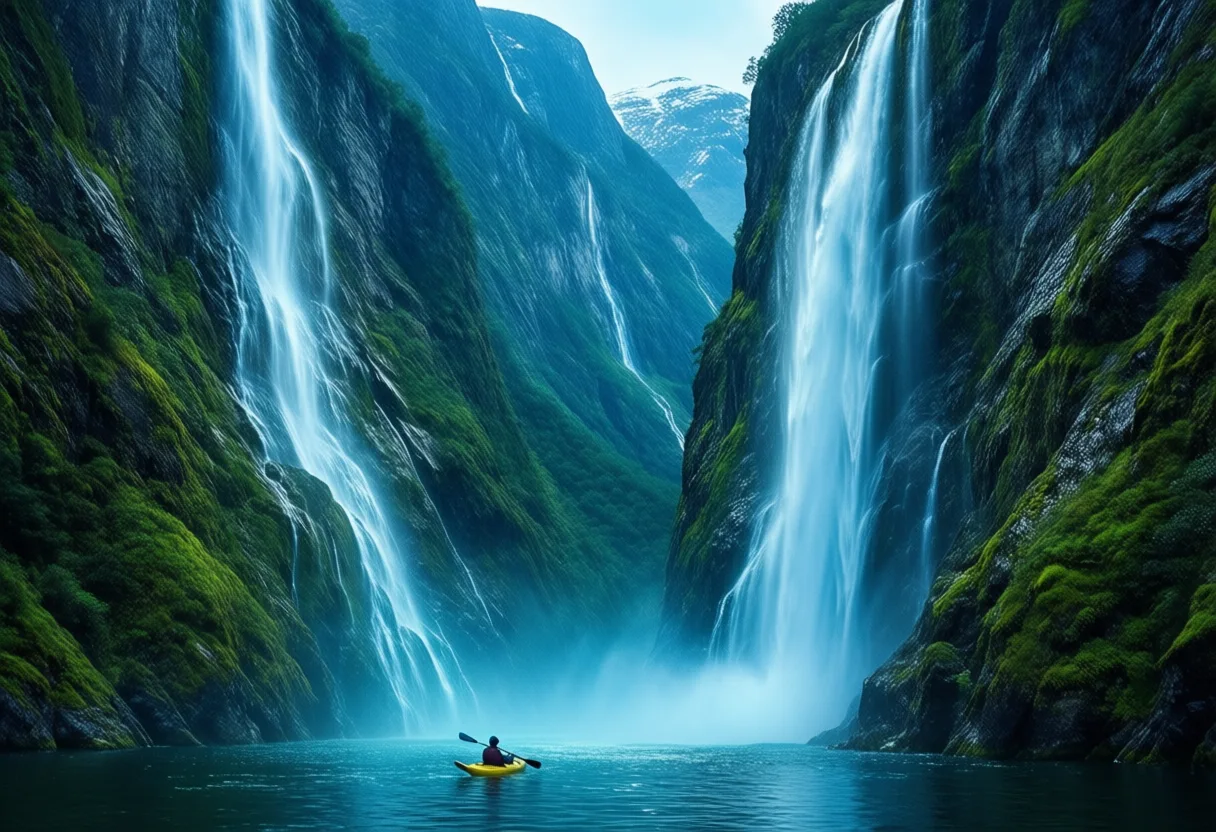
Wisconsin hums with quiet intensity. Forests stretch into mist. Rivers Carve through Limestone. Small towns hold stories in brick and song.
You won’t find neon or skyscrapers here. You’ll find something rarer: depth. A place where Nature breathes And culture runs deep, not loud.
This is not a destination. It’s a rhythm. And it calls to those who listen.
Where Wild Waters Run and Forests Whisper
Northern Wisconsin moves at the pace of pine shadows shifting on granite. The land remembers glaciers. They carved Lakes, dropped boulders, and left behind a mosaic of wetlands and woodlands.
The Chequamegon-Nicolet National Forest Covers over 1.5 million acres. It’s one of the largest protected areas in the Midwest. Old-growth stands survive in hidden pockets. You can walk beneath hemlocks older than the nation.
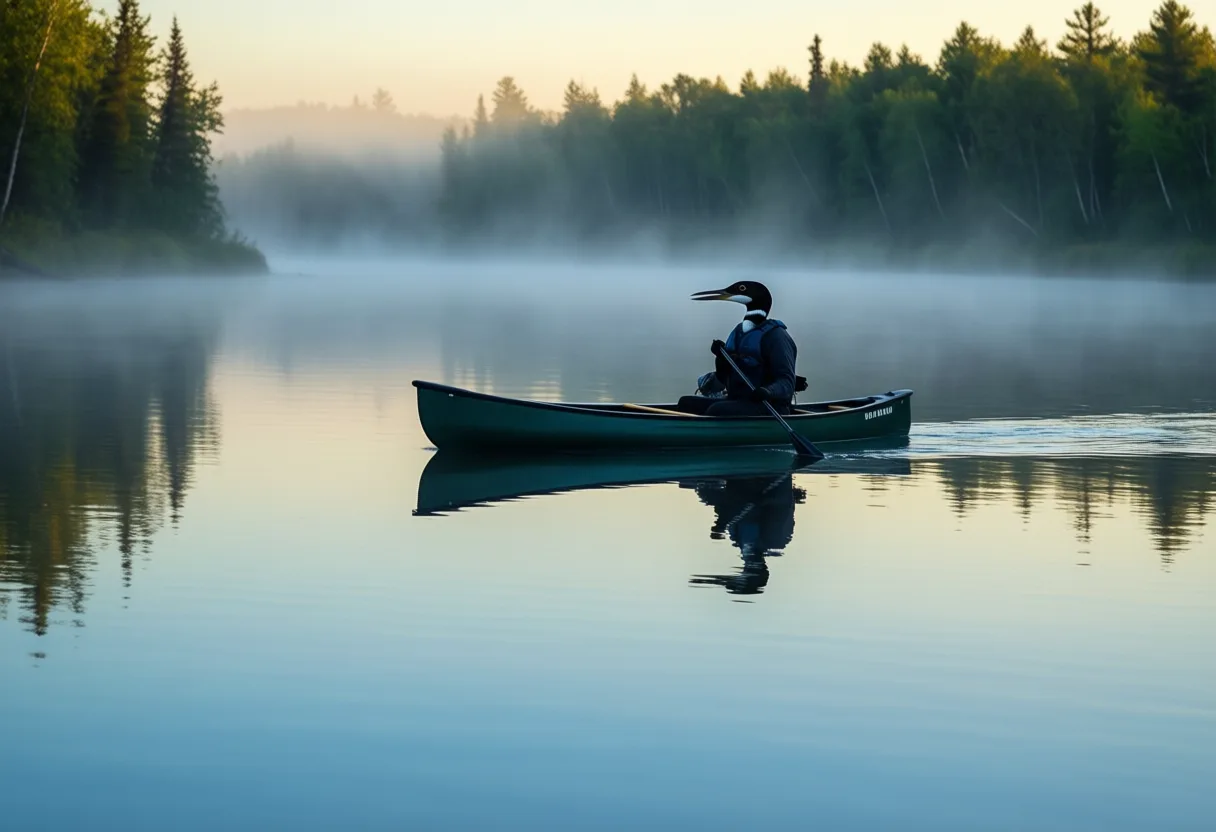
Canoeing the Namekagon River feels like slipping between worlds. Water glides clear over sand. Kingfishers dive. Loons call at dusk. The river flows unimpeded for miles-part of the National Wild And Scenic Rivers System.
- Paddle at dawn to catch mist rising off the water
- Portage trails are well-marked and minimal
- Campsites sit back from the shore, secluded and silent
Hiking the Ice Age Trail demands respect. It spans nearly 1,200 miles across the state. The route follows the edge of the last glacier. Ridges, kettles, and moraines tell an ancient story underfoot.
In autumn, the Northwoods ignite. Maples flame red. Aspens shimmer gold. The air bites clean. This is peak solitude. Trails empty. The forest reclaims itself.
Cities That Sing With Soul and Steel
Milwaukee rises where Lake meets Land. It’s more than breweries and bricks. It pulses with art, music, and reinvention.
The city’s shoreline has been reborn. The Milwaukee Riverwalk Winds through downtown, linking parks, plazas, and public sculptures. By day, kayakers glide past; by night, lights reflect on slow-moving water.
Galleries cluster in Walker’s Point. Murals climb warehouse walls. Studios open on Friday nights. You’ll find ceramics, printmaking, and sound installations born from industrial grit.
Music lives in basements and ballrooms. Jazz flows from basement clubs. Experimental acts test ideas in converted factories. The city doesn’t chase trends-it incubates them.
Madison balances intellect and instinct. Home to the state university, it thrives on ideas-but also on lakes and local craft. The isthmus between Mendota and Monona holds a quiet fire.
Farmers markets bloom each Saturday. Vendors sell honey, sourdough, and heirloom vegetables. Musicians play folk tunes on portable amps. Locals linger with coffee, watching sailboats tack across the water.
Architecture here blends old and new. The Capitol dome rises white and classical. Nearby, glass-walled buildings reflect clouds. It’s a city that honors form but won’t be trapped by it.
Heritage Held in Stone, Song, and Soil
Wisconsin’s cultural roots run deep. Not performative. Not packaged. They’re lived.
Door County writes poetry in stone. Limestone cliffs drop to cold lake water. Orchards climb gentle slopes. Cherries ripen under northern light.
Villages cling to the peninsula’s spine. Ephraim stays quiet. Fish boils still happen on docks-whitefish, potatoes, onions, fire. The tradition survives because people care, not because tourists demand it.
Artists have flocked here for generations. Painters capture light on water. Potters shape clay from local deposits. Galleries dot side streets, often family-run and seasonal.
Further south, the Driftless Area escaped glaciation. The land juts upward in sharp ridges. Valleys cut deep. Farms nestle in hollows unreachable by ice.
This region nurtures old ways. Craft breweries source hops from nearby fields. Cheesemakers use recipes passed down for decades. You taste the soil in every bite.
- Visit a creamery at sunrise, when vats steam and wheels cool on racks
- Talk to makers-they’ll tell you about milk, microbes, and time
- Buy directly. Take it slow. Let flavor unfold
History isn’t locked in museums. It’s in barn dances, polka halls, and church suppers. Communities gather not for show, but for survival.

The Quiet Luxury of Being There
Luxury here isn’t gilded. It’s space. Silence. The right moment.
A cabin on a remote lake offers no Wi-Fi. Just woodsmoke, loon calls, and stars so thick they blur. You wake to stillness. No alarms. Only light through pines.
Dining is deliberate. A chef grills walleye over open flame. Bread comes from a wood oven. Wine pairs with landscape, not price tag. This isn’t farm-to-table as trend-it’s necessity turned art.
Spas draw from mineral springs. Treatments use local herbs and clays. You soak while snow falls outside. Heat seeps deep. The body remembers warmth.
But the true luxury? Time. Wisconsin gives you back hours lost elsewhere. No rush. No queue. Just presence.
You move slower. Breathe deeper. Listen.
And in that silence, you hear it-the pulse beneath the surface. Steady. Sure. Real.
| Feature | Location | Description |
|---|---|---|
| Namekagon River | Northern Wisconsin | Part of National Wild and Scenic Rivers System |
| Ice Age Trail | Across Wisconsin | Spans nearly 1,200 miles, follows glacier edge |
| Cave of the Mounds | Near Blue Mounds | Has gravity-defying helictites |
| Fish boils | Door County | Traditional dock events with fire and food |
| Elroy-Sparta State Trail | Sparta | Nation’s first rail-to-trail path |
| Algae mounds | Baileys Harbor | Fossilized microbial formations from cyanobacteria |
Hidden Gems and Quirky Truths in Wisconsin’s Wilds
More Than Just Cheese and Lakes
Wisconsin isn’t just about dairy and waterways-though it has plenty of both. Beneath the surface, the state hides some surprisingly wild secrets. Did you know that Cave of the Mounds near Blue Mounds isn’t just a cave? It’s a naturally air-conditioned wonder formed over millions of years, with glittering formations like helictites that grow sideways, defying gravity Like nature’s Abstract art. And while many flock to Door County for cherries and lighthouses, fewer realize it's home to one of the densest concentrations of shipwrecks in the Great Lakes, silently resting beneath the clear waters just offshore.
Nature With a Side of Oddity
For culture lovers who enjoy the offbeat, Wisconsin delivers. The town of Sparta proudly hosts the first official segment of the 100-mile Elroy-Sparta State Trail-the nation’s very first converted rail-to-trail path. Biking through its three tunnels feels like pedaling through history. Up north, the Oconomowoc Lake Club holds vintage ice polo tournaments each winter, a rare surviving tradition where players on horseback use mallets on frozen lakes-a quirky echo of Wisconsin’s winter ingenuity. Even the state bird, the American robin, shows up in massive flocks each spring, turning quiet fields into noisy, hopping spectacles during migration.
Art That Grows on Trees-Literally
In northern Wisconsin, the Woodland Sketchbook project invites artists to create temporary works using natural materials in the Chequamegon-Nicolet National Forest. These aren't permanent installations, but fleeting expressions meant to fade, reminding visitors that art and environment are deeply linked here. Meanwhile, the unassuming village of Baileys Harbor guards rare limestone formations called "algae mounds," created by ancient cyanobacteria-essentially fossilized microbial cities built grain by grain over thousands of years. These quiet marvels show how even the slowest forces shape landscapes worth exploring. Explore more stories, videos, and creators on Loaded.
Frequently Asked Questions
What makes the Namekagon River special for canoeing?
The Namekagon River flows unimpeded for miles and is part of the National Wild and Scenic Rivers System. Canoeing here offers clear water, kingfishers diving, and loon calls at dusk.
What cultural experiences can be found in Milwaukee?
Milwaukee features galleries in Walker’s Point, murals on warehouse walls, and music in basement clubs and converted factories. The city incubates art, jazz, and experimental performances.
Why is Door County significant for cultural traditions?
Door County maintains traditions like fish boils on docks with whitefish, potatoes, and onions. Artists have long been drawn here, and family-run galleries are common.
What unique natural features can be seen in Wisconsin?
Cave of the Mounds has gravity-defying helictites, and Baileys Harbor has rare algae mounds formed by ancient cyanobacteria. The Chequamegon-Nicolet National Forest hosts old-growth hemlocks.
This article was produced with AI assistance. How Navigate Magazine uses AI.
Tomasz covers off-the-grid destinations and adrenaline-fueled activities across remote regions, from Arctic treks to jungle expeditions. He emphasizes cultural authenticity, environmental responsibility, and the raw, unfiltered moments that define transformative journeys.